

Region
Middle East
Energy, security, power rivalries, investment and strategic realignments across the Middle East.
11 published articles
Overview
The Middle East remains a central arena of contemporary power relations. The region combines major energy resources, strategic trade routes, enduring political rivalries and substantial financial capabilities. This section examines regional balances, state strategies, conflicts, economic transformations, investment policies and the influence of external powers.
Featured
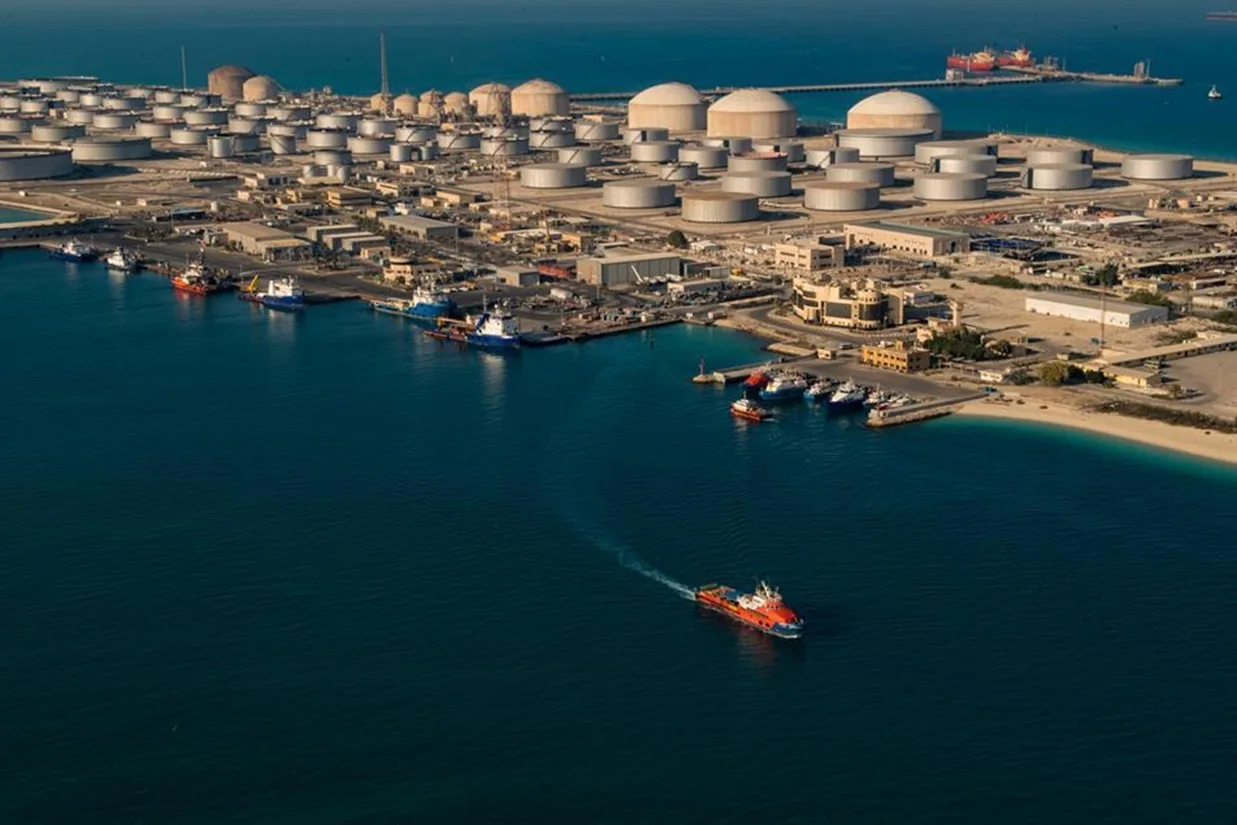
Middle East: High Oil Prices Can No Longer Shield Economies from War
For decades, rising oil prices provided one of the most reliable forms of economic protection for the Middle East's major producers. When energy markets tightened, export revenues increased, government budgets gained additional flexibility, and sovereign wealth funds accumulated greater financial resources.
AnalysisRecent publications
-
 Middle East
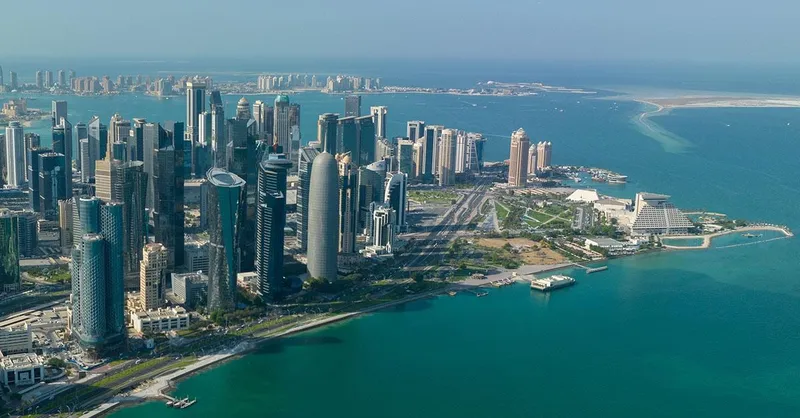
Qatar: Power Without Territory
A glance at a map of the Persian Gulf is enough to reveal the paradox. A peninsula covering approximately 11,600 square kilometres, extending into the warm waters of the Gulf, bordered by Saudi Arabia and separated from Iran by a narrow maritime space.
-
 Middle East
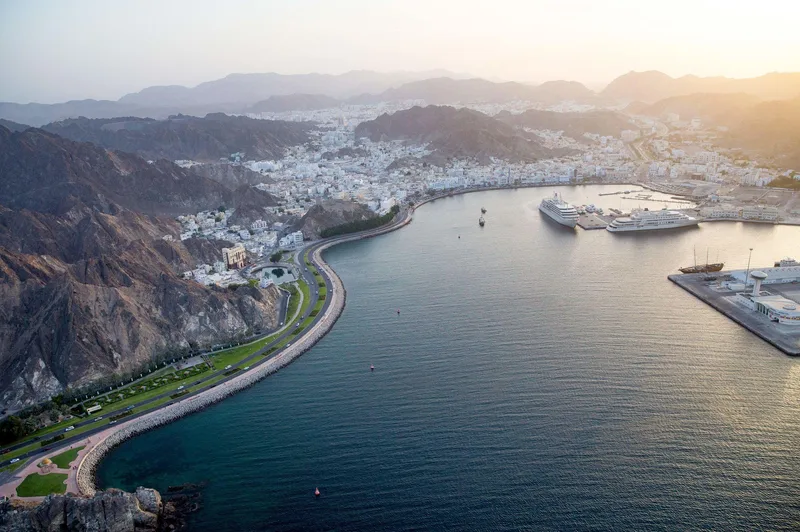
Oman: The Strait and the Open Sea
At the edge of the Arabian Peninsula, a strip of mountains descends into one of the most strategic maritime passages in the world. Here, the Strait of Hormuz is only a few dozen kilometers wide between its two shores. Iran lies to the north. Oman’s Musandam Peninsula lies to the south. Behind it begins the Persian Gulf; ahead stretches the Indian Ocean.
-
 Middle East
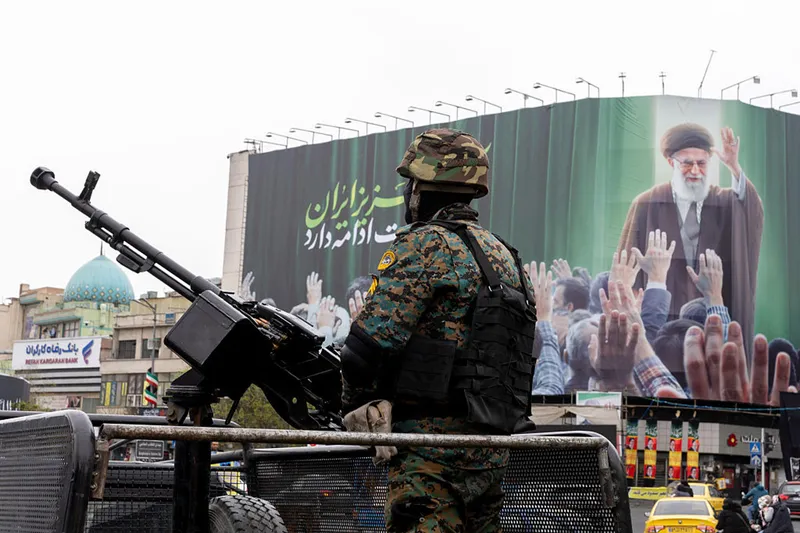
Iran: The Suspended War
For several months, the question dominating the Middle East was one of escalation. How far would the United States and Israel go against Iran? How far could Tehran retaliate? Could the conflict draw the Gulf monarchies, Lebanon, Iraq or Yemen into a regional war that no one could
-
 Middle East
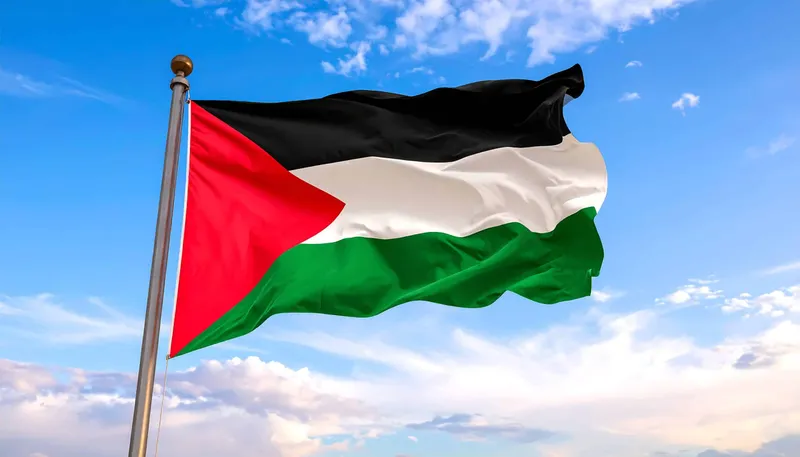
Palestine: The Time for Sanctions?
Condemnation of Israeli settlement expansion is nothing new. The explicit mention of sanctions by several major Arab and Muslim powers is more significant. Around the E1 settlement plan, regional diplomacy may be approaching the point where protest begins to give way to pressure.
-
 Middle East
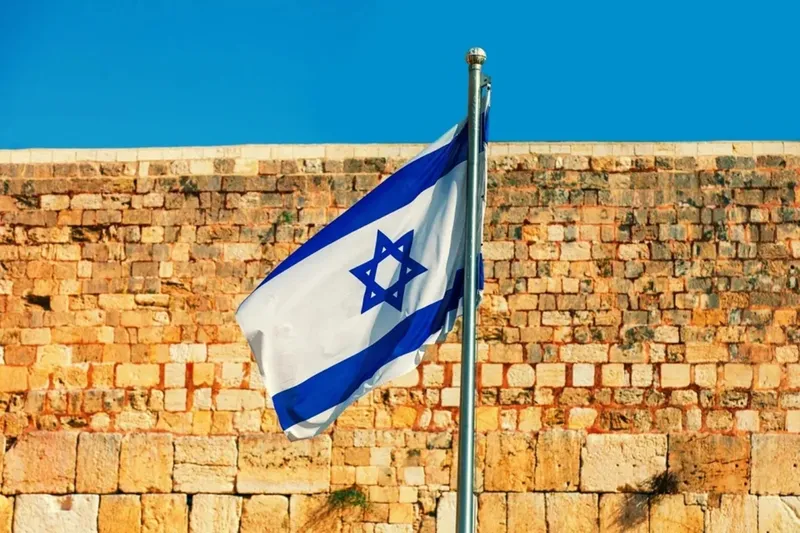
Israel: Power Under Pressure
Between domestic divisions and a shifting regional order, Israel’s power are coming under increasing pressure. An analysis of the strengths and vulnerabilities redefining its place in the Middle East.
-
 Middle East
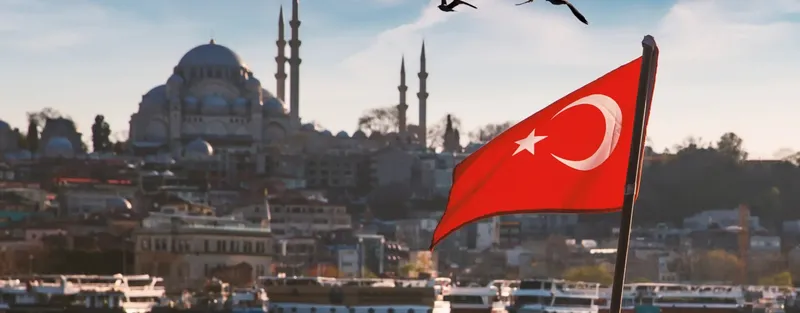
Türkiye or the Art of Strategic Balance
Geography as an Instrument of Power Few countries occupy a geographical position as strategically significant as Türkiye. Stretching across Anatolia and Eastern Thrace, it physically connects Europe and Asia while overlooking the Black Sea, the Aegean Sea and the Mediterranean. I
-
 Middle East
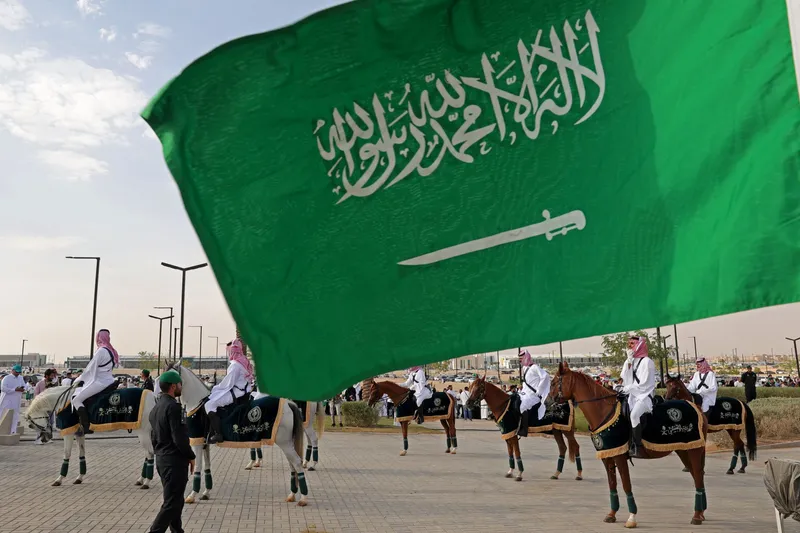
Saudi Arabia in the World
For several decades, Saudi Arabia occupied a singular position in international relations. It was simultaneously a leading oil exporter, the custodian of Islam’s holiest sites, a strategic partner of the United States, and one of the political centres of the Arab world. Its power
-
 Middle East
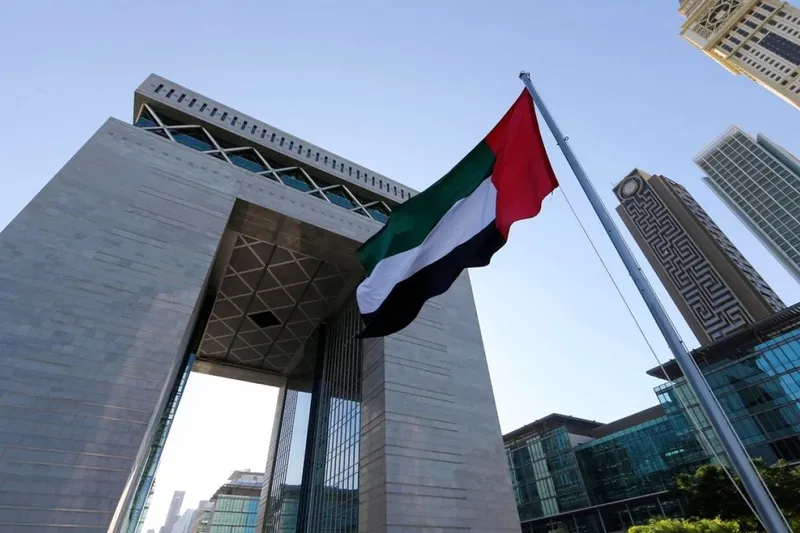
The United Arab Emirates: Building a Global Power
In just over half a century, the United Arab Emirates (UAE) has evolved from a newly established federation of small Gulf emirates into one of the world's most influential economic, diplomatic, and technological actors. While its substantial hydrocarbon reserves provided the foun
-
 Middle East
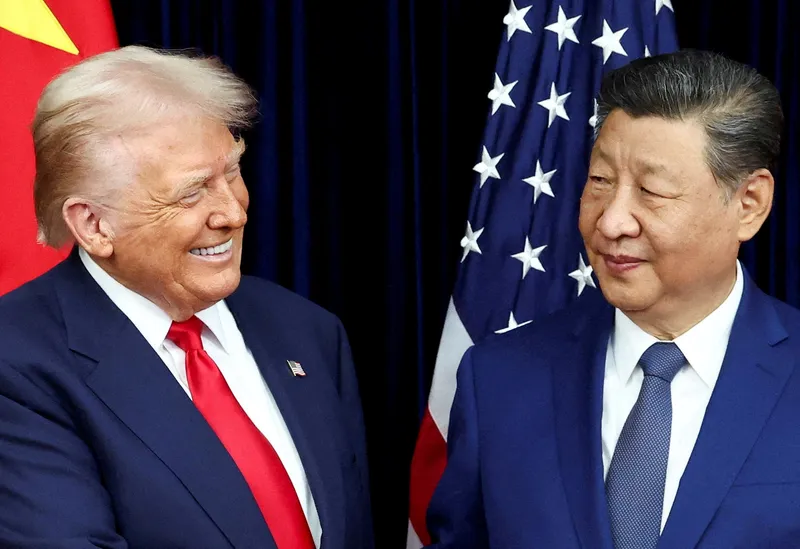
Behind the Middle East: The Strategic Rivalry Between the United States and China
The successive crises in the Middle East are often analyzed through a regional lens: religious rivalries, territorial disputes, or local power struggles. Yet at a broader strategic level, the region primarily represents a central node in the power competition between the United States and China.
-
 Middle East
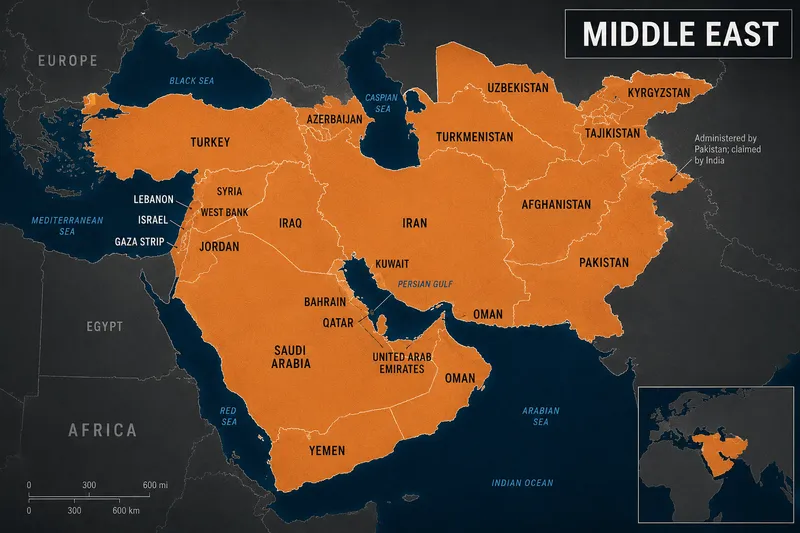
The Five Fault Lines of the Middle East - 2026
The Middle East remains the epicenter of global geopolitics.