

Reports
Reports and Studies
In-depth reports, research notes, comparative studies and strategic assessments.
Featured
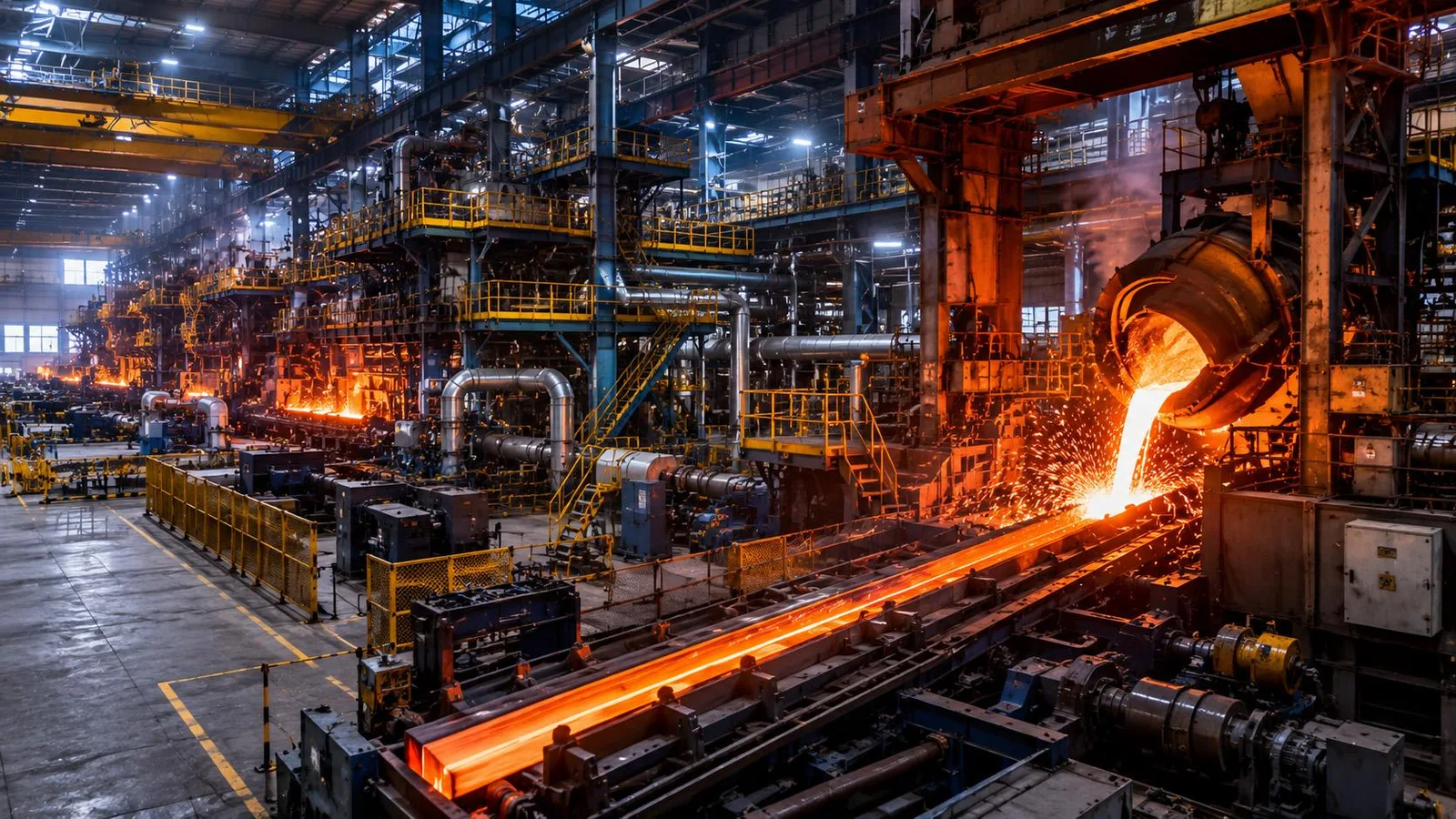
The Value Chain: From Natural Resources to the Most Advanced Industries
From the mine to the laboratory, from agricultural fields to semiconductors, global wealth is built through successive stages of transformation. Yet value is not distributed equally between those who possess resources, those who process them, and those who control technology. Beh
-
Companies: The Architecture of Economic Power
Mergers, acquisitions, integration, alliances, restructuring, valuations and ownership transfers: how companies redraw the boundaries of capital, ownership and control.
-
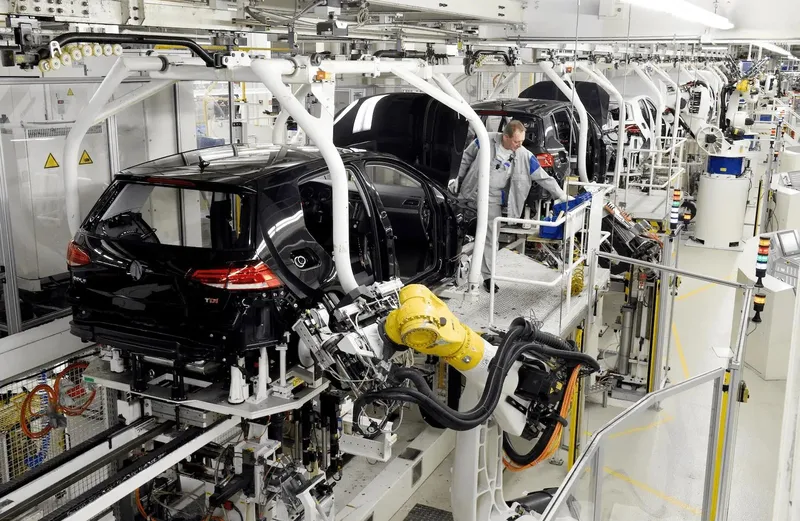
Automotive: The Great Shakeout
In-depth report — Restructuring, successes, failures and the outlook for the global automotive industry
-
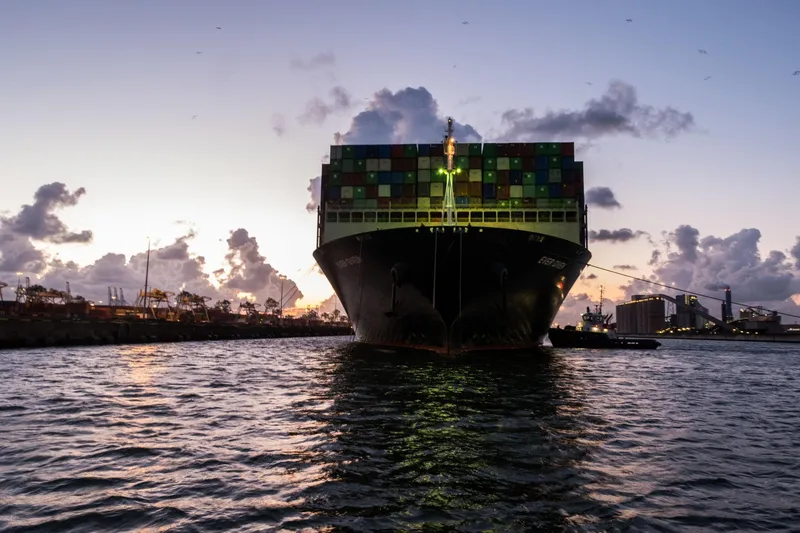
Geopolitics and Market Protectionism
Regions, industries, resources, trade instruments, regulations, taxation and scenarios. A report on how states are redefining market access and what this transformation means for economies and businesses.
-
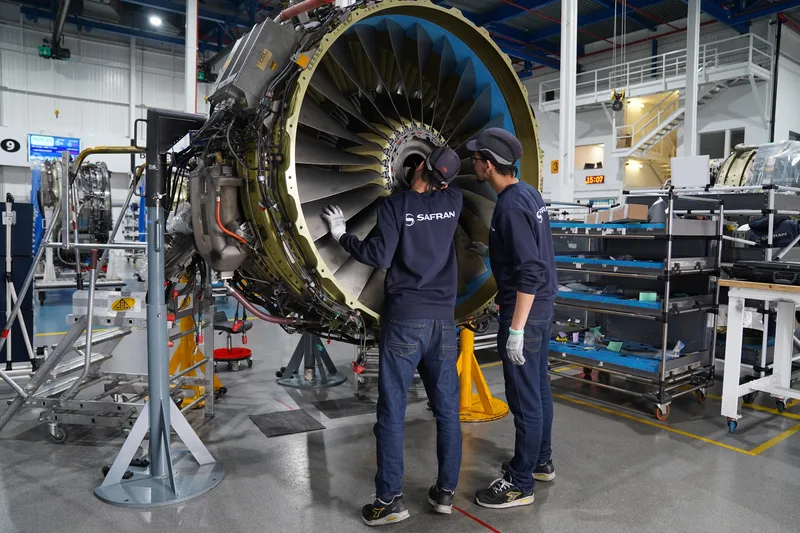
Industry: The Nations’ Income Statement
A car leaves a Moroccan factory, reaches a port terminal and boards a ship bound for Europe. At customs, its value enters the export statistics. For the manufacturer, it becomes part of the group’s revenue. For the country that built it, the calculation is only beginning.
-
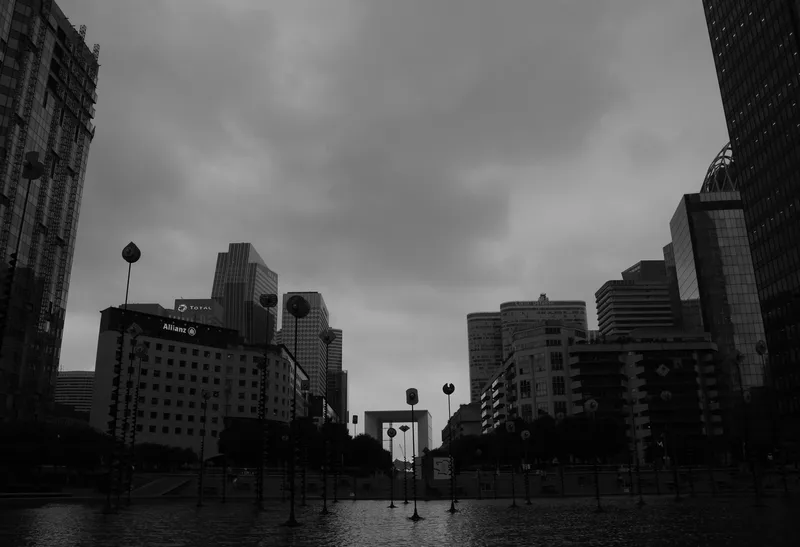
The Corporation: Who Owns, Who Decides, Who Profits
A brand gives a face to an organisation the consumer almost never sees. Behind its products lie arrangements that allocate rights, income and risk. From production lines to boardrooms, this dossier examines how large corporations build power, share it and lose it.
-
Power: Who Holds the World?
In the strait, the ship slows. On the bridge, the officers watch the vessels ahead. Containers rise above the deck in long, stacked rows. They carry automotive parts, electrical equipment, clothing, perhaps medicines. For those awaiting delivery, this crossing is one stage in a production schedule. For the crew, it is a navigation task. Yet almost the entire architecture of global power is already present around this ship.
-
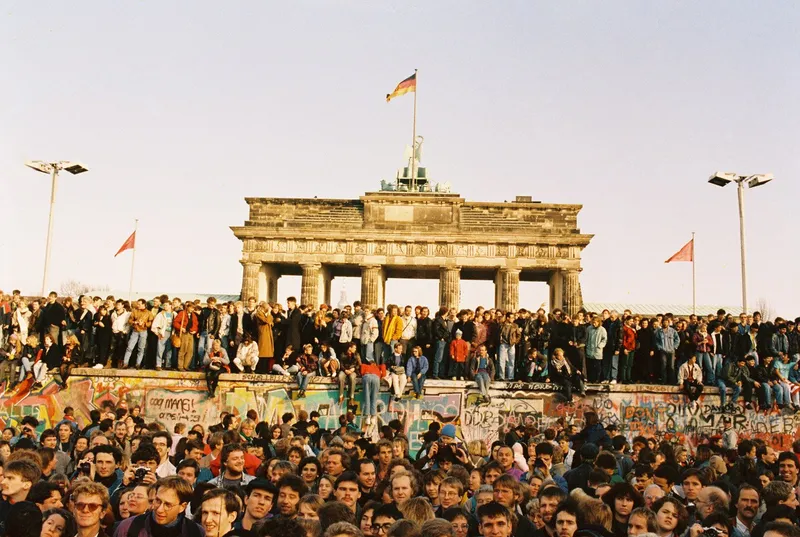
Europe: The End of the Age of Certainties
In Orvieto, the Palazzo del Capitano del Popolo has witnessed enough history to remain largely unmoved by the shifting currents of Italian politics. Yet on September 20, 2026, the scene unfolding inside it reached somewhat beyond Rome. Roberto Vannacci, founder of Futuro Nazionale, was looking towards Alternative für Deutschland. Its programme, he argued, was fairly similar to his own; the two movements had much in common and sat in the same group in the European Parliament.
-
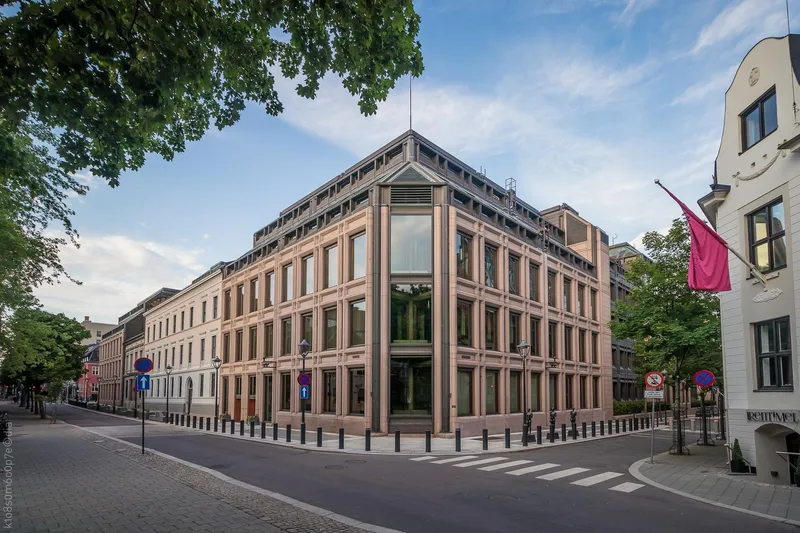
Capital: Those Who Finance the World
The global economy is usually described through those who produce. Companies manufacture, workers work, consumers spend, governments tax and invest, entrepreneurs innovate. We look at factories, technologies, markets, infrastructure and states because that is where economic activity becomes visible.
-
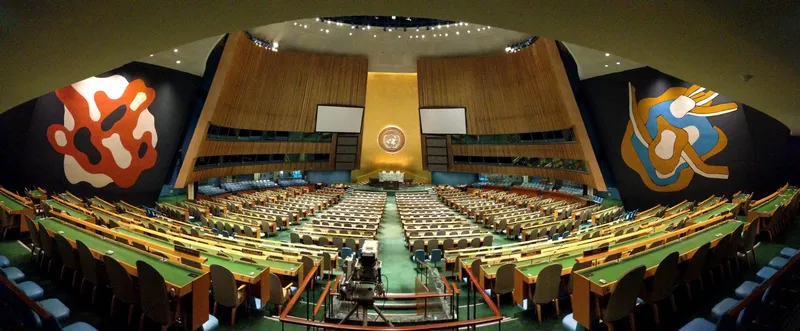
The Geography of Ideologies: From Human Societies to Artificial Intelligence
Liberalism, conservatism, socialism, nationalism, religion, markets, equality, authority and sovereignty are not combined in the same way across human societies. Left and right continue to structure a large part of political competition, but they are not sufficient to map the world. Ideologies are shaped by history, institutions, religions, economic structures, social classes, generations and territories. As artificial intelligence systems become universal intermediaries between individuals and knowledge, this diversity raises a new question: how can machines be designed to be politically neutral in a world that has no universal political center of its own?
-
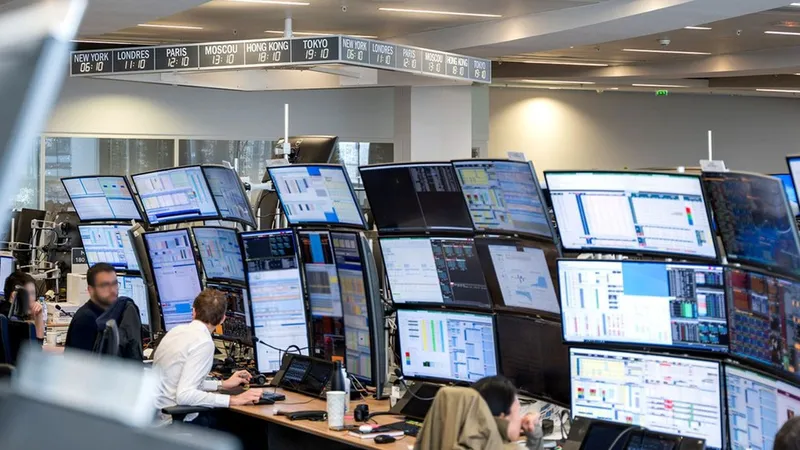
The Economy Under Debt: States, Companies and Households in the Same System
Debt is usually described as an anomaly. Government debt becomes a concern when it crosses certain thresholds, corporate debt when it threatens solvency, household debt when repayments absorb an excessive share of income.
-
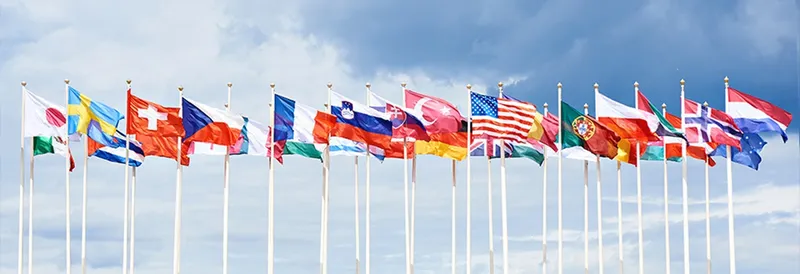
A World Without a Centre
For several centuries, the international system almost always seemed to have a centre. It was not necessarily an uncontested centre, nor even a power capable of imposing its will everywhere. But somewhere there was a state, a group of powers or a set of institutions dominant enough to structure trade, establish part of the rules, secure major commercial routes, organise alliances and shape the contours of the international orde
-
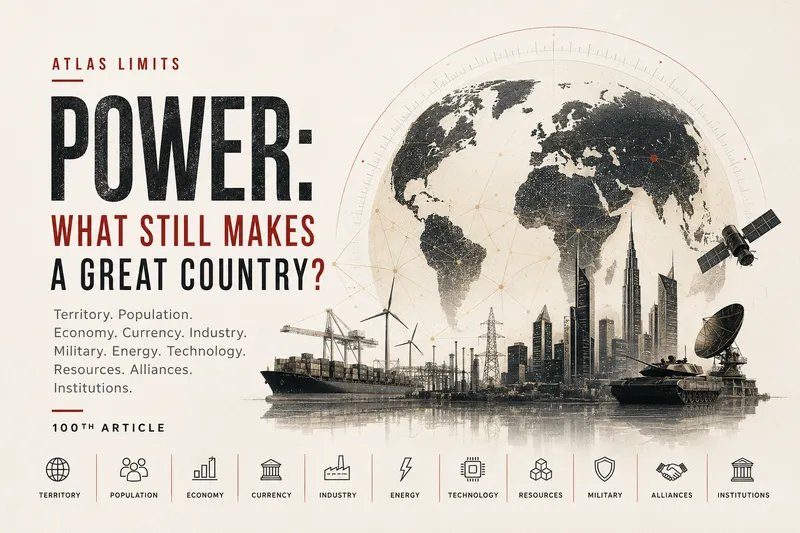
Power: What Still Makes a Great Country?
For centuries, the answer seemed almost self-evident. A great country was a large country, a populous country, one capable of raising armies, controlling trade routes and imposing its will beyond its borders. Power was measured in territory, soldiers and ships, then in tons of coal, factories, oil, missiles and gross domestic product.