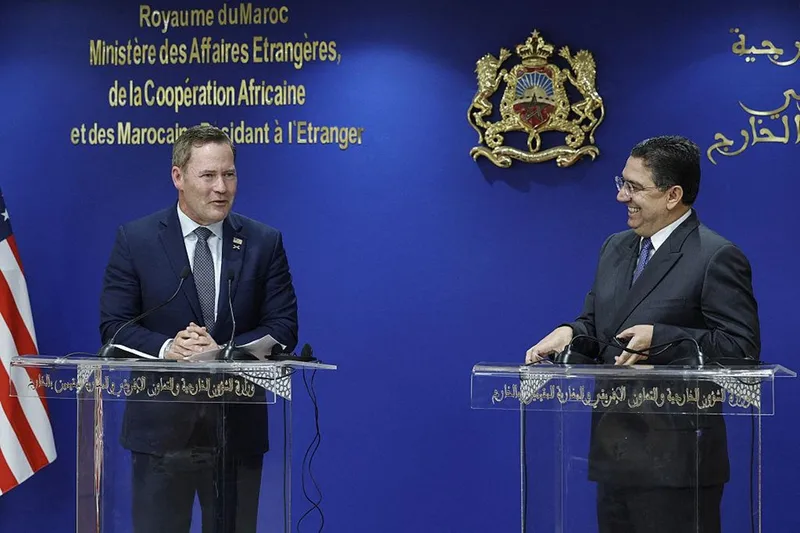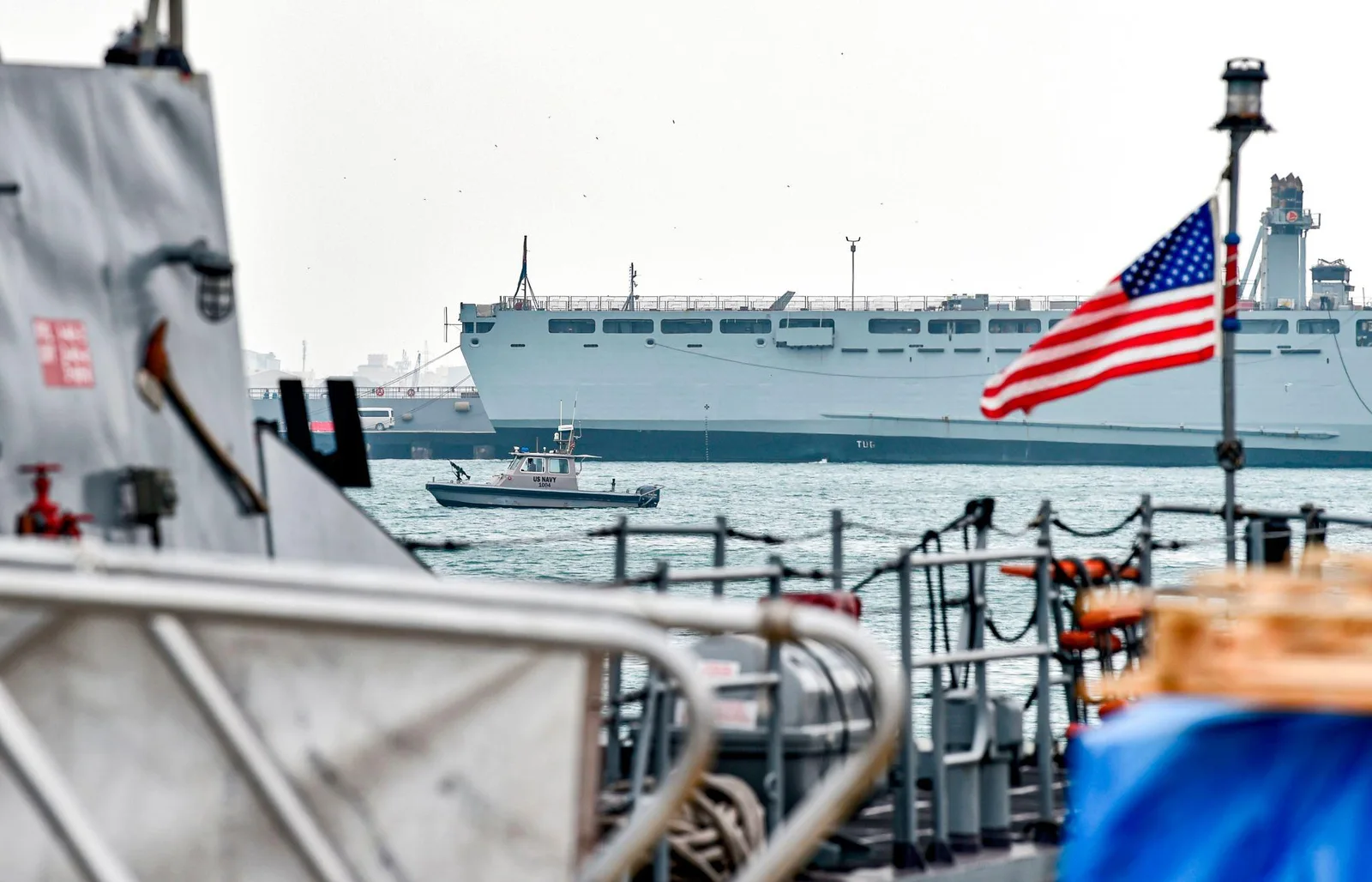
The sequence that began in Bahrain on 13 November shows why a pause in fighting does not amount to a settlement. Iran's Revolutionary Guards claimed an operation against an American early-warning radar, describing it as retaliation for a strike on a telecommunications installation in Iran. US Central Command disputed the attack's success and said it intercepted the two drones directed towards Bahrain. [1][2] The Iranian claim must therefore not be presented as confirmed destruction of the radar.
This distinction changes the assessment. An intercepted attack demonstrates intent and can require additional protection; it does not establish the loss of the targeted capability. Statements from the parties also serve competing communications strategies. Tehran seeks to show that pressure on its territory can bring a regional response. Washington emphasises its defensive performance. Measuring military effects requires evidence separate from these narratives.
Events have moved on since this article's original publication. Associated Press reports further claimed attacks on American facilities in Bahrain and, on 18 November, an attack on Ali Al Salem air base in Kuwait. It also reports a US retaliatory strike following the 17 November episode. [3] These developments are an update as of 18 November 2026, not information available at the original publication date. They establish renewed exchanges of strikes and claims without independently confirming every account of damage.
For host states, the difficulty lies in the relationship between protection and exposure. Foreign forces provide intelligence, defence and response capabilities. Their facilities can simultaneously become targets when an opponent seeks to impose costs for operations elsewhere. The host then manages a crisis whose decisions it does not control alone, while protecting its population and infrastructure.
Economic effects do not depend solely on destruction. A credible threat can raise insurance costs, alter transport procedures and delay investment. An incident does not, however, establish that the Strait of Hormuz has closed or exports have stopped; those consequences require separate verification. Risk assessments often change before physical flows are disrupted.
Retaliation complicates de-escalation because each party can describe its own strike as a limited response. Its opponent may treat the same action as a fresh reason to strike. Reducing that risk requires channels to clarify responsibility, limits and conditions for stopping, with the involvement of states bearing the territorial consequences.
The useful indicator will therefore be more than the number of days without an attack. It will be whether incidents remain contained, damage is independently established and actors have a way to interrupt successive reprisals. November's episodes demonstrate that de-escalation is reversible. Claims alone do not establish the collapse of America's military position in the Gulf.
Sources and update
[1] Reuters, Iranian claim of 13 November.
[2] CNA, Iranian claim and US military response.
[3] Associated Press, further episodes in Kuwait and Bahrain, 18 November 2026. The implications and conditions for de-escalation are Atlas Limits analysis.
Atlas Limits Research Desk
Atlas Limits’ editorial and analytical desk.