

Publications
378 published articles
-
 Africa
Algeria–Niger: Military Power, Strategic Resources and the New Geopolitical Battle for the Sahel
Algeria's decision to deploy military forces to Niger marks a potentially historic shift in Algiers' security doctrine. Behind this development lies a much broader transformation: the redistribution of power between North Africa and the Sahel, competition over energy and mineral
-
 Reports and Studies
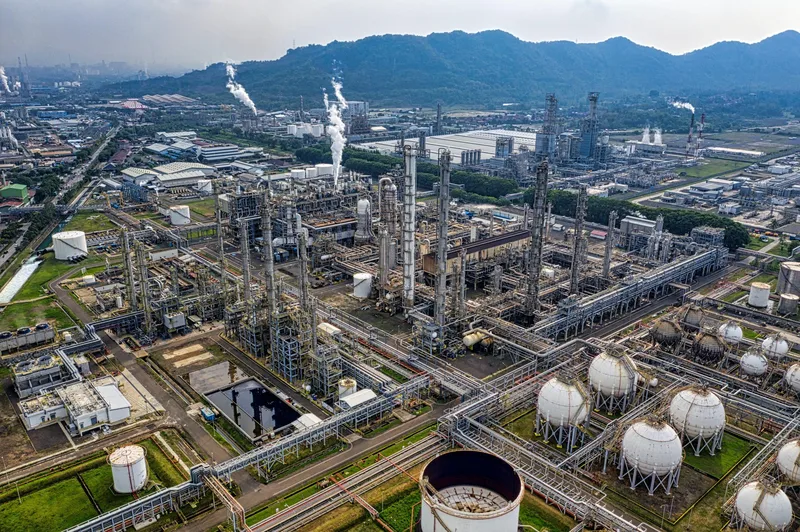
Ownership Is No Longer Enough: Why Resources and Competitive Advantages No Longer Guarantee Economic Power
possessing a strategic advantage no longer guarantees the ability to exploit it, control it, or convert it into lasting economic power.
-
 Technology
Tata Communications: $450 Million to Build India's AI Superhighways
India's artificial intelligence ambitions are not taking shape inside data centers alone. They also depend on thousands of kilometers of fiber-optic networks capable of connecting computing facilities, transporting enormous volumes of data, and turning isolated infrastructure int
-
 Markets
Indonesia: When Global Financial Markets Set the Terms of Financial Sovereignty
Facing the possibility of losing its emerging-market status in MSCI indices, Indonesia is accelerating reforms to its stock market. Beyond transparency requirements and corporate governance lies a deeper question: how much financial autonomy can a country retain when private inde
-
 Markets
Ben & Jerry’s: Can Employee Ownership Reclaim a Global Brand?
A global brand, two founders seeking to reclaim its independence, and a proposal that could turn employees into shareholders. Behind the struggle for Ben & Jerry’s lies a much broader question about the future of capitalism: can those who create a company's value also own its cap
-
 Energy
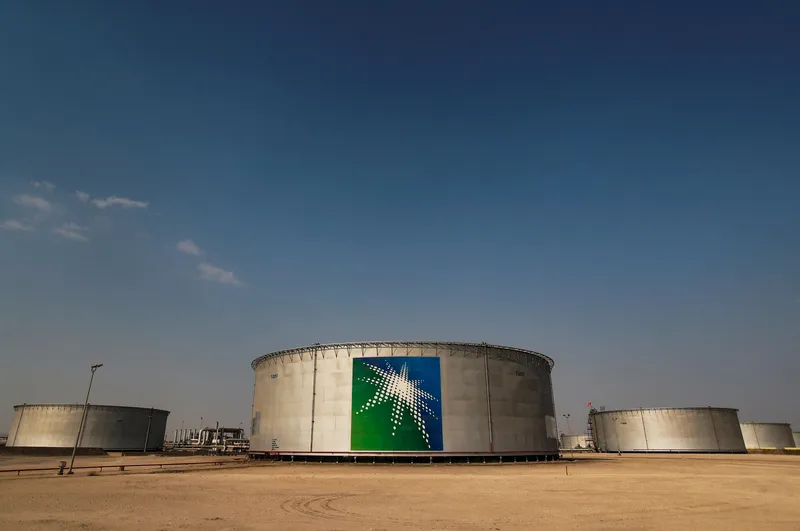
Saudi Arabia–Singapore: Aramco Moves to Position Oil Reserves Closer to Asian Markets
Saudi Arabia's plan to establish crude oil storage facilities in Singapore reflects a strategy extending far beyond the security of its exports. As geopolitical tensions expose Asia's dependence on Middle Eastern energy supplies, storage infrastructure is becoming an increasingly
-
 Corporate
Applied Materials–Besi: The Battle for the Technologies Behind Tomorrow’s Chips
Applied Materials has agreed to increase its stake in Dutch semiconductor equipment manufacturer Besi from 9% to approximately 20%. Behind this investment lies a much larger industrial contest: the race to master the technologies that will connect processors, memory and other com
-
 Markets
Jio Platforms: $77 Billion in Investor Orders and India’s Financial and Technological Ambitions
Priority: Exceptional | Initial Public Offering, Capital Mobilization and Digital Strategy — Reported subscription figures, pending final regulatory verification An IPO That Extends Far Beyond India's Stock Market The initial public offering of Jio Platforms, the digital subsidia
-
 Politics
US Midterms 2026: Obama’s Return Reveals the Battle for America’s Checks and Balances
As the November 3, 2026 midterm elections approach, Barack Obama is returning to the campaign trail to support Democratic candidates and challenge Donald Trump’s record. Beyond the confrontation between two presidents lies a much larger institutional struggle: control of Congress
-
 Economics
United Kingdom: £20.4 Billion to Rebuild Britain's Industrial Power
Londres prépare une augmentation de 20,4 milliards de livres des moyens financiers de deux institutions publiques chargées de soutenir les entreprises et les infrastructures stratégiques.
-
 Geopolitics
Black Sea: How War Is Turning a Global Trade Artery Into a Militarized Frontier
The Black Sea has become one of the world's most dangerous maritime environments. Behind attacks on vessels, drifting mines and the militarization of port infrastructure lies a deeper transformation: major shipping routes are no longer merely instruments of globalization but incr
-
 Trade & Industry
Audi: A Planned $4 Billion US Investment Could Reshape Volkswagen’s Industrial Geography
By announcing its first US factory, Audi is preparing to transform its production network. Behind the investment lies an increasingly consequential choice for multinational companies: manufacture closer to customers to protect market access while preserving the skills and jobs at