

Region
Eurasia
Power, resources, infrastructure, security and geopolitical realignments across the Eurasian space.
5 published articles
Overview
Eurasia connects Eastern Europe, Russia, the Caucasus and Central Asia within a vast strategic space. Energy resources, trade corridors, infrastructure, political legacies and power rivalries are closely interconnected. This section examines state strategies, economic dynamics, territorial issues, transport networks and the transformation of the regional order.
Featured
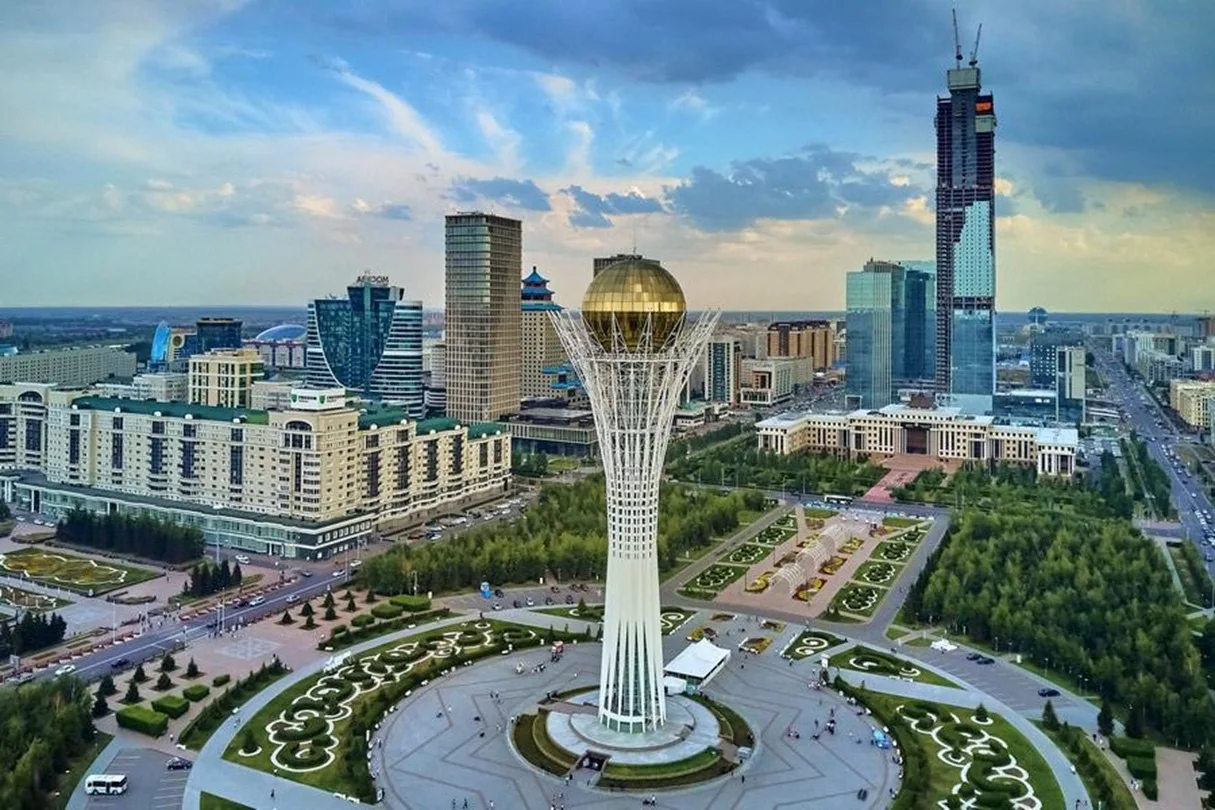
Kazakhstan: The Quiet Power at the Heart of the New Eurasian Order
Positioned between Russia and China, at the intersection of European, American and Asian strategic interests, Kazakhstan is emerging as one of the pivotal territories in the transformation of the international order. The world's largest uranium producer, a major oil exporter and an essential link in Eurasia's evolving trade networks, the country possesses considerable strategic advantages.
AnalysisRecent publications
-
 Eurasia
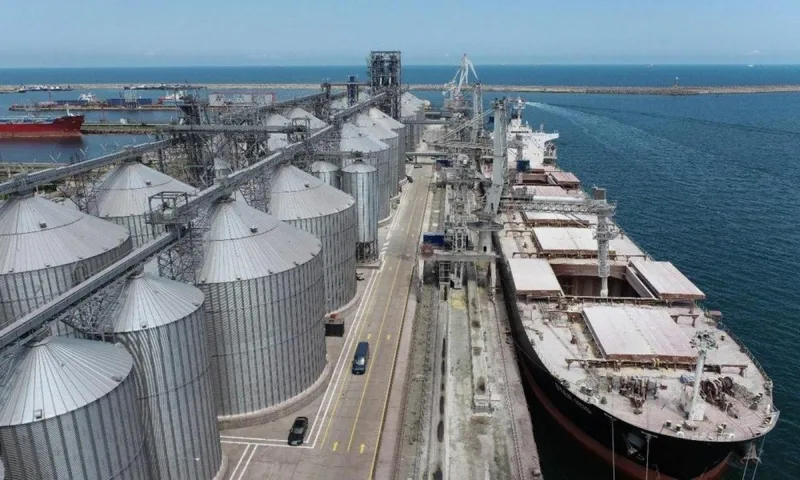
Black Sea: Eurasia’s Internal Frontier
Ukraine, Russia, Turkey, the Caucasus and Eastern Europe: beyond military confrontation, the Black Sea has become the center of a competition over energy, agricultural, industrial and digital flows.
-
 Eurasia
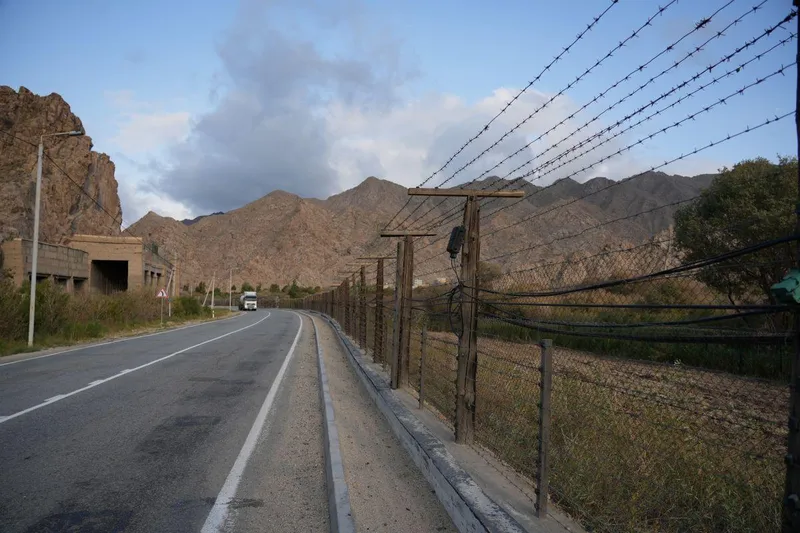
Caucasus: Peace Changes the Geography
For more than thirty years, the map of the South Caucasus was read as a military map. Borders indicated not so much where one could travel as where roads became impossible. Between Armenia and Azerbaijan, infrastructure inherited from the Soviet Union had been severed by war.
-
 Eurasia
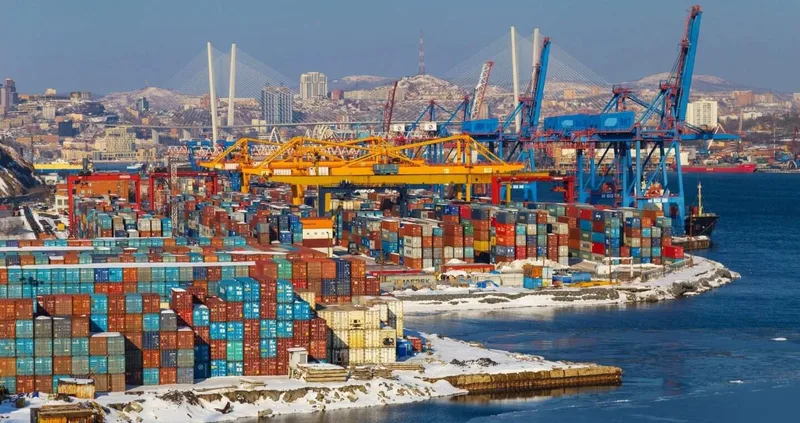
Russia: The Economy Looks East
East of Lake Baikal, trains now tell part of Russia’s economic story. Coal, minerals, hydrocarbons and containers converge on the same tracks — the Trans-Siberian Railway and the Baikal-Amur Mainline — before continuing toward Pacific ports or the Chinese border. The problem is no longer finding cargo.
-
 Eurasia
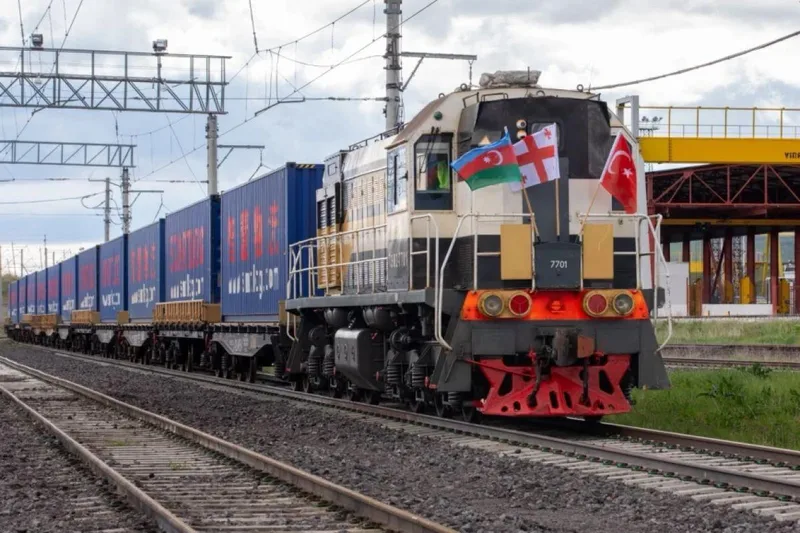
: The Return of Continental Routes
For a long time, much of the trade between China and Europe could be summarized by a geographical certainty: the sea carried most of the volume, while land offered speed.