

Reports
Reports and Studies
In-depth reports, research notes, comparative studies and strategic assessments.
Featured
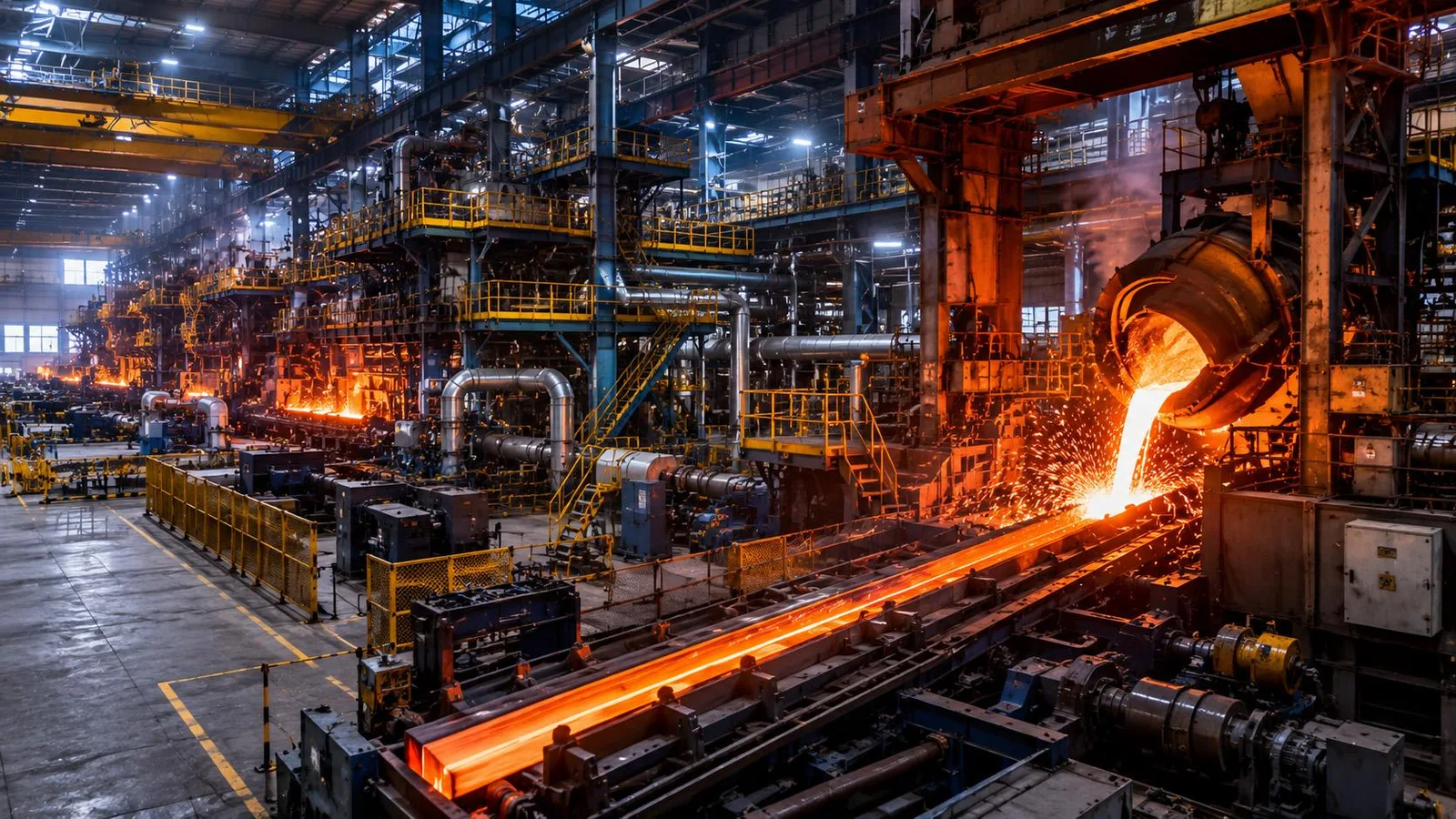
The Value Chain: From Natural Resources to the Most Advanced Industries
From the mine to the laboratory, from agricultural fields to semiconductors, global wealth is built through successive stages of transformation. Yet value is not distributed equally between those who possess resources, those who process them, and those who control technology. Beh
-
2050: The World Ahead
By 2050, demography, climate, technology and power will have redrawn the global landscape. This is not a prediction of a fixed future, but an examination of the forces already shaping the world ahead.
-
Energy: What Still Keeps the World Running
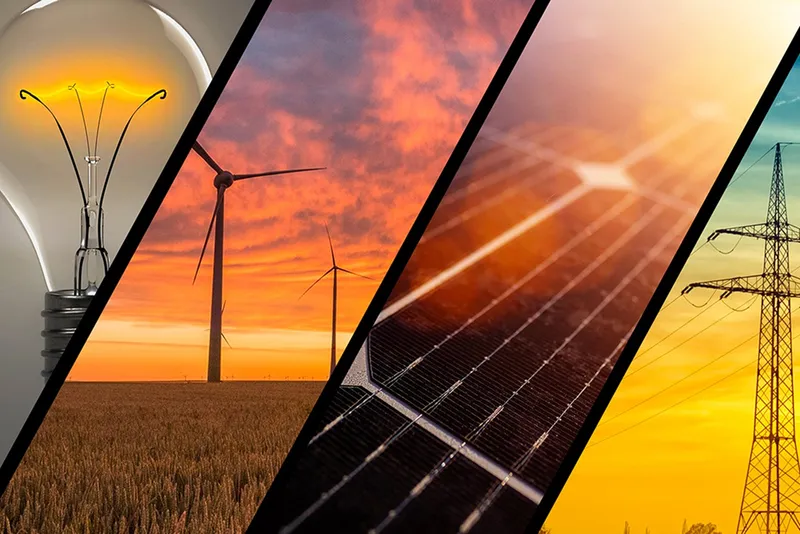
Oil, gas, coal, nuclear power, renewables: behind the narrative of the energy transition lies a more complex reality. The world is rapidly transforming the way it produces energy, but it has not yet replaced the system that keeps it running. And as electricity moves to the center of the global economy, new dependencies are emerging.
-
Demographics: the great shift
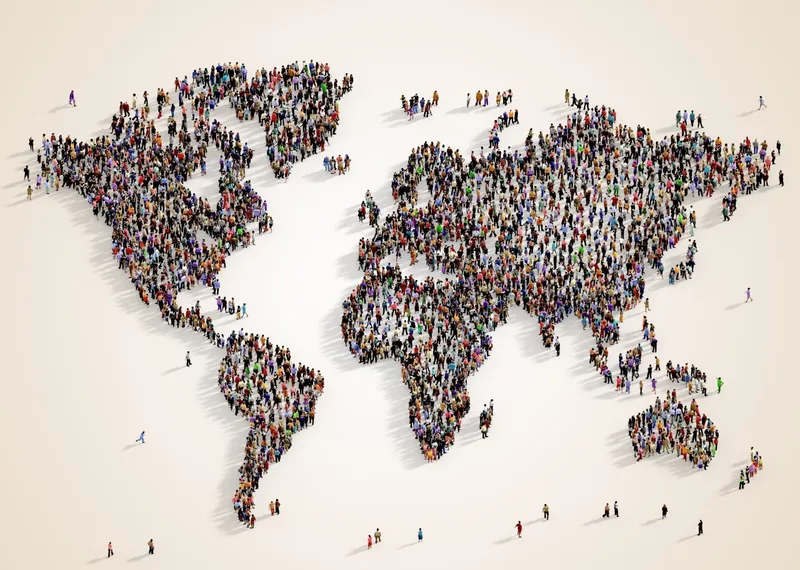
Some transformations arrive with a crash. Others derive their power precisely from their slowness. Demography belongs to the second category. It does not trigger a market collapse in a single day, bring down a government overnight or immediately set financial markets on edge. Yet decade after decade, it changes the size of economies, the composition of societies, the demands placed on states and, ultimately, the balance of power.
-
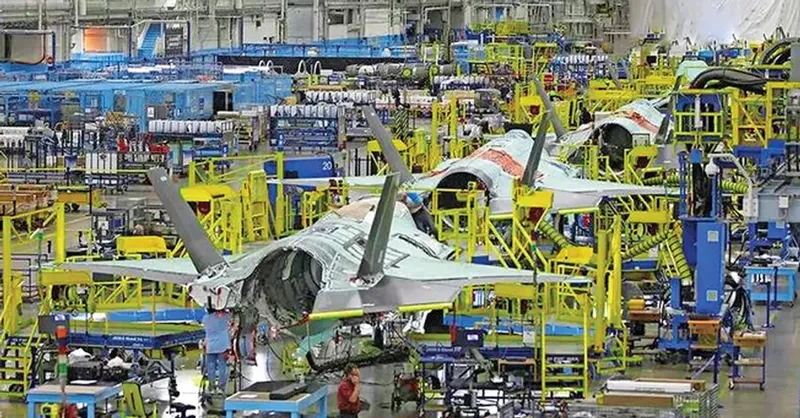
The Arms Industry: An Engine of Developed Economies?
Long regarded as a peculiar sector — essential to sovereignty but peripheral to the ordinary economy — the defense industry is returning to the center of industrial policy. European rearmament, the war in Ukraine, tensions in Asia and the modernization of military arsenals are tu
-
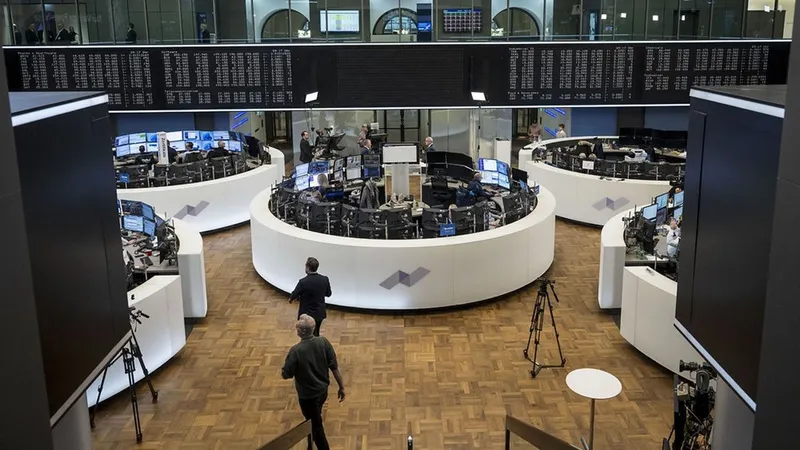
The International Monetary System: The Financial Architecture of the World
Behind every international payment, every sovereign debt issue, every foreign-exchange reserve and every financial crisis lies a global architecture that no single authority fully controls.
-
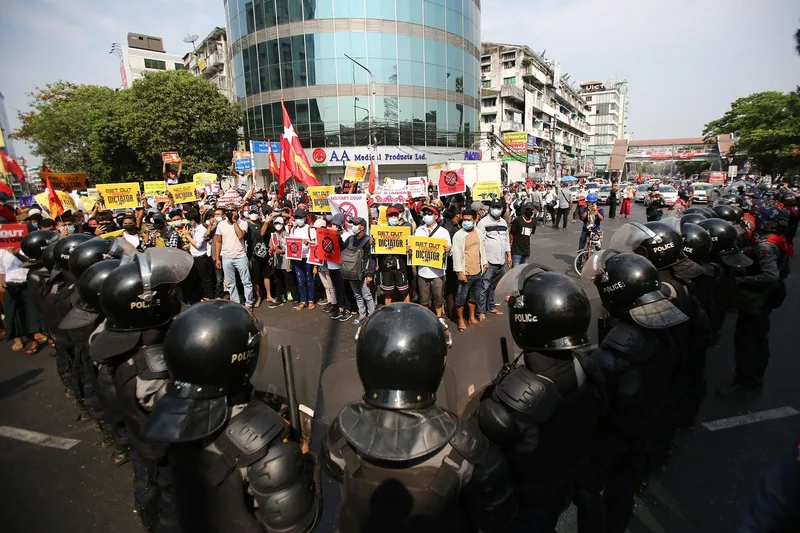
The Faces of Authoritarianism: When Ideologies Converge Toward the Concentration of Power
Authoritarianism has many faces. It can invoke revolution or tradition, the nation or social class, religion or the military, order or the radical transformation of society. It can emerge from a coup, a civil war, or a revolution, but it can also advance within democratic institu
-
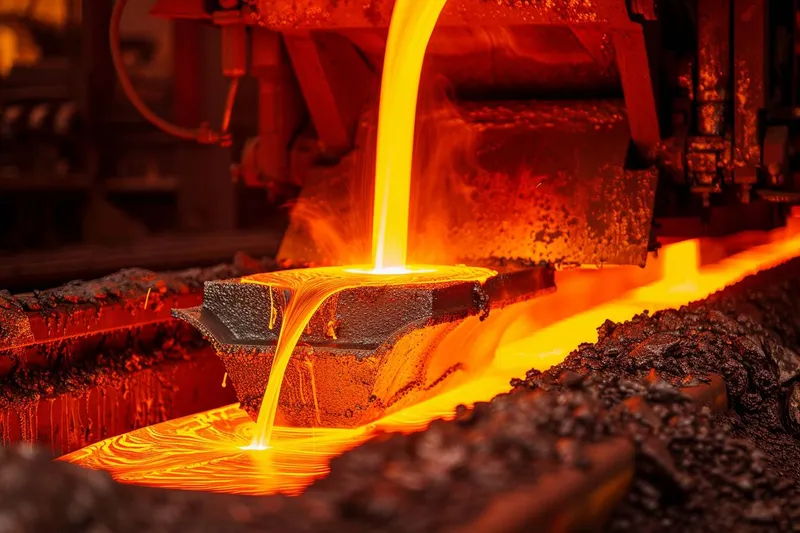
The Steel Industry: From Ancient Forges to a New Age of Strategic Power
Part I — Steel, the Invisible Foundation of Modern Power It is everywhere, yet rarely attracts attention. Behind the skyscrapers that shape urban skylines, the bridges that connect territories, the railways that structure trade, the power plants that supply economies, and the shi
-
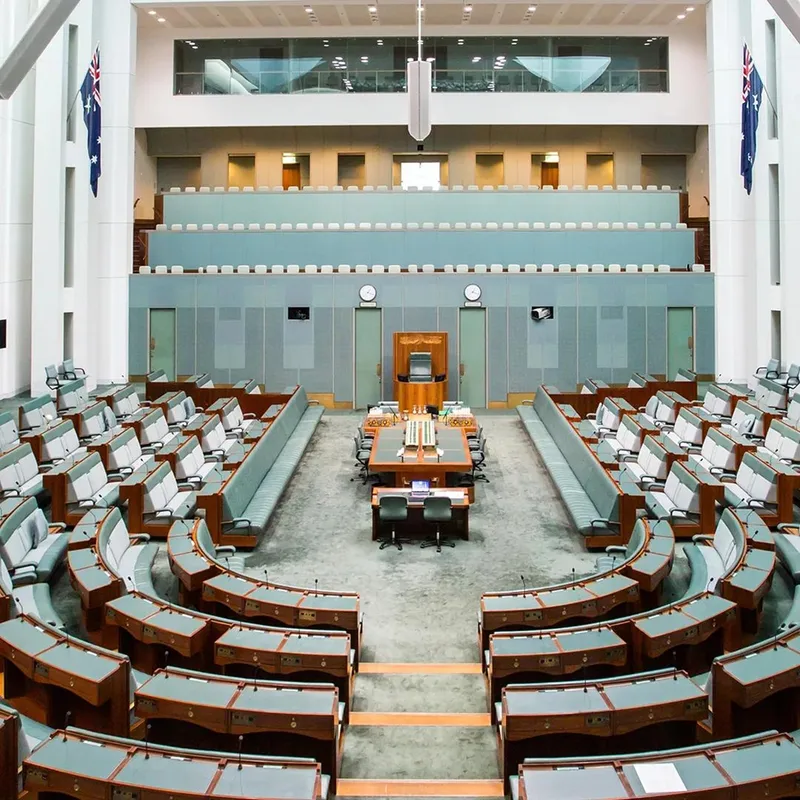
Governing Through Guilt: When Collective Failures Become Individual Moral Obligations
When Collective Failures Become Individual Moral Obligations Democracies do not function through legal coercion alone. They also rest on shared norms, civic duties and a particular understanding of the common good. Paying taxes, respecting collective rules, contributing to nation
-

The Psychology of Organizations: The Invisible Forces That Shape Organizations
Organizations are often described through their formal structures: organizational charts, reporting lines, departments, procedures, budgets, and strategic plans. These elements are necessary, but they do not fully explain how institutions function.
-
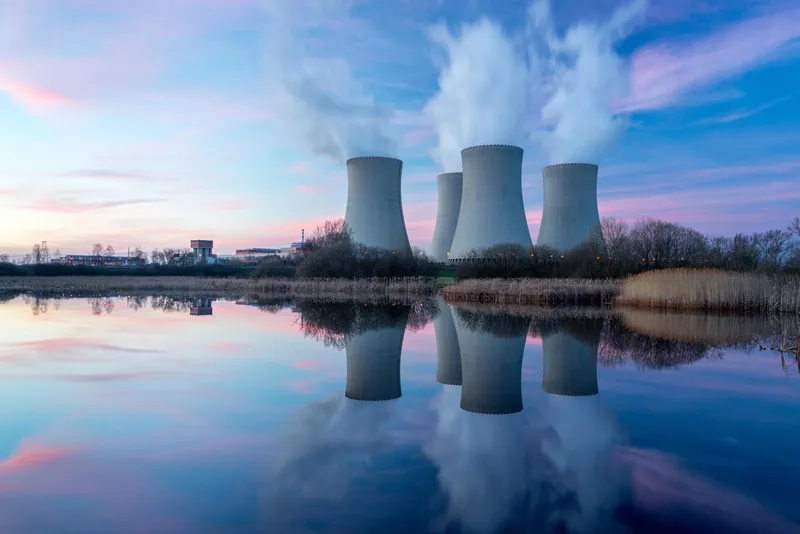
The Nuclear Age: The Return of the Atom
Beyond electricity generation, nuclear energy concentrates strategic stakes that are reshaping global power relations. From uranium to reactors, the atom is once again becoming a central instrument of sovereignty.
-
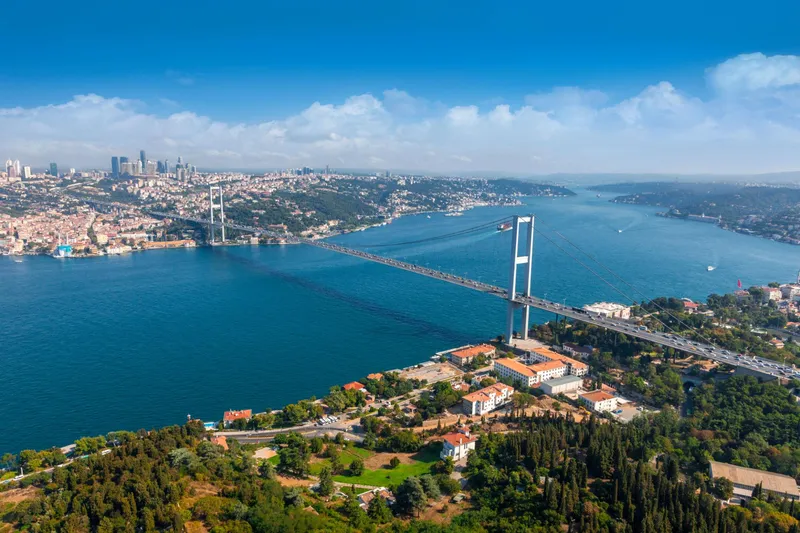
Eurasia: The Return of the World Continent
For much of the twentieth century, geography appeared to have lost much of its explanatory power. The expansion of international trade, the telecommunications revolution, commercial aviation, the Internet, and the financialization of the global economy fostered the belief that distance was gradually becoming irrelevant. Capital moved across borders in milliseconds, goods crossed oceans at ever-lower costs, and production chains stretched across multiple continents. Globalization seemed to herald a world in which physical borders would matter less and less.
-

Social Cleavages and Public Policy: Instrumentalization or Equity?
Social inequalities are generally presented as dysfunctions that public policy should correct. Disparities in income, wealth, access to education, healthcare, housing and employment are regarded as imbalances capable of undermining national cohesion and equality of opportunity. This interpretation is necessary, but it remains incomplete.