From Madrid to Lisbon, Athens to Toronto, Nairobi to São Paulo, access to housing is becoming a major source of economic, social and political tension. Behind rising rents and property prices lies a profound transformation: housing is simultaneously a fundamental human necessity, a vehicle for wealth accumulation and an asset increasingly integrated into global capital markets. This contradiction is reshaping inequality, weakening the economic security of the middle class and challenging governments' ability to keep cities accessible to their populations.
A Crisis That Has Crossed National Borders
In Spain, Portugal and Greece, growing mobilization over housing reflects anger that extends far beyond local grievances.
Demonstrators are protesting rising rents, the expansion of short-term tourist accommodation, property speculation and the increasing difficulty of remaining in major urban centers.
National circumstances differ. Spain faces particularly intense housing pressures in several metropolitan and tourist destinations. Portugal has experienced a widening gap between local incomes and property values. In Greece, housing expenses continue to absorb an exceptionally large share of household resources.
Yet these three countries share a structural development: a growing proportion of their populations believes that the housing market is no longer adequately fulfilling its residential purpose.
The phenomenon extends well beyond Southern Europe.
In Canada, homeownership has become increasingly difficult to achieve in several major metropolitan areas. In Australia, property prices and rental costs have intensified debates over intergenerational inequality. In the United States, housing expenses place substantial pressure on lower-income households and sections of the middle class across numerous cities.
In emerging economies, the crisis often takes a different form: rapid urbanization, inadequate formal housing supply, limited access to mortgage financing and the expansion of informal settlements.
European demonstrations therefore expose a much broader question.
Why are economies capable of generating increasing wealth, mobilizing enormous financial resources and developing sophisticated infrastructure struggling to provide housing at economically sustainable prices?
The answer lies at the intersection of financial markets, land-use policies, demographic change, urban development and the distribution of wealth.
I. When Housing Becomes a Global Financial Asset
One of the most significant transformations of recent decades has been the growing integration of residential real estate into investment strategies.
Historically, housing primarily fulfilled two economic functions: providing shelter and allowing households to accumulate wealth through ownership.
These functions remain essential, but they increasingly coexist with a third dimension: real estate as an asset class capable of attracting institutional, international and private capital.
Property investment funds, real estate investment trusts, asset managers, private investors and specialized investment vehicles operate in markets once dominated primarily by households, local developers and traditional landlords.
This does not mean that institutional investors control residential property markets everywhere. Their influence varies considerably across countries and cities.
Nevertheless, their participation can reshape valuation mechanisms in particular market segments.
An apartment building may be assessed not only according to its residential utility but also through projected rental income, resale potential, financing conditions and expectations of neighborhood appreciation.
Housing consequently becomes both a place to live and an income-generating asset.
This dual function creates a fundamental tension.
For residents, affordable housing is a prerequisite for economic stability.
For investors, increasing rents or rising property values may represent improved financial returns.
These interests are not inherently incompatible. Private investment also finances construction, renovation and urban regeneration.
However, when housing supply remains insufficient, competition between residential needs and investment objectives can intensify price pressures.
The central problem is therefore not simply the presence of capital in real estate.
It is whether public institutions can channel that capital toward a meaningful expansion of accessible housing.
II. The Growing Disconnect Between Income and Property Prices
The housing crisis also reflects a widening divergence between household earnings and residential costs.
In many metropolitan areas, purchase prices have increased faster than household incomes over extended periods.
Several structural factors explain this divergence.
The concentration of skilled employment in major cities increases residential demand. Limited availability of developable land constrains supply. Administrative procedures, zoning restrictions, construction costs and labor shortages can slow housing development.
Monetary conditions also play a decisive role.
During the period of historically low interest rates, inexpensive credit supported property demand and asset valuations.
Subsequent increases in borrowing costs made mortgages more expensive for new buyers without necessarily generating sufficient price declines in markets where supply remained constrained.
This combination can produce a particularly unfavorable situation.
Households need higher incomes to purchase property, while those unable to enter the ownership market remain exposed to rental inflation.
Housing consequently becomes a question of income distribution.
A salary may increase in nominal terms while providing less residential purchasing power if housing costs rise faster.
This development disproportionately affects young professionals, single-parent households, precarious workers and occupations whose wages fail to keep pace with metropolitan property values.
It can also affect qualified professionals who were previously considered relatively insulated from housing insecurity.
Housing affordability is increasingly becoming a more revealing measure of purchasing power than salary levels alone. 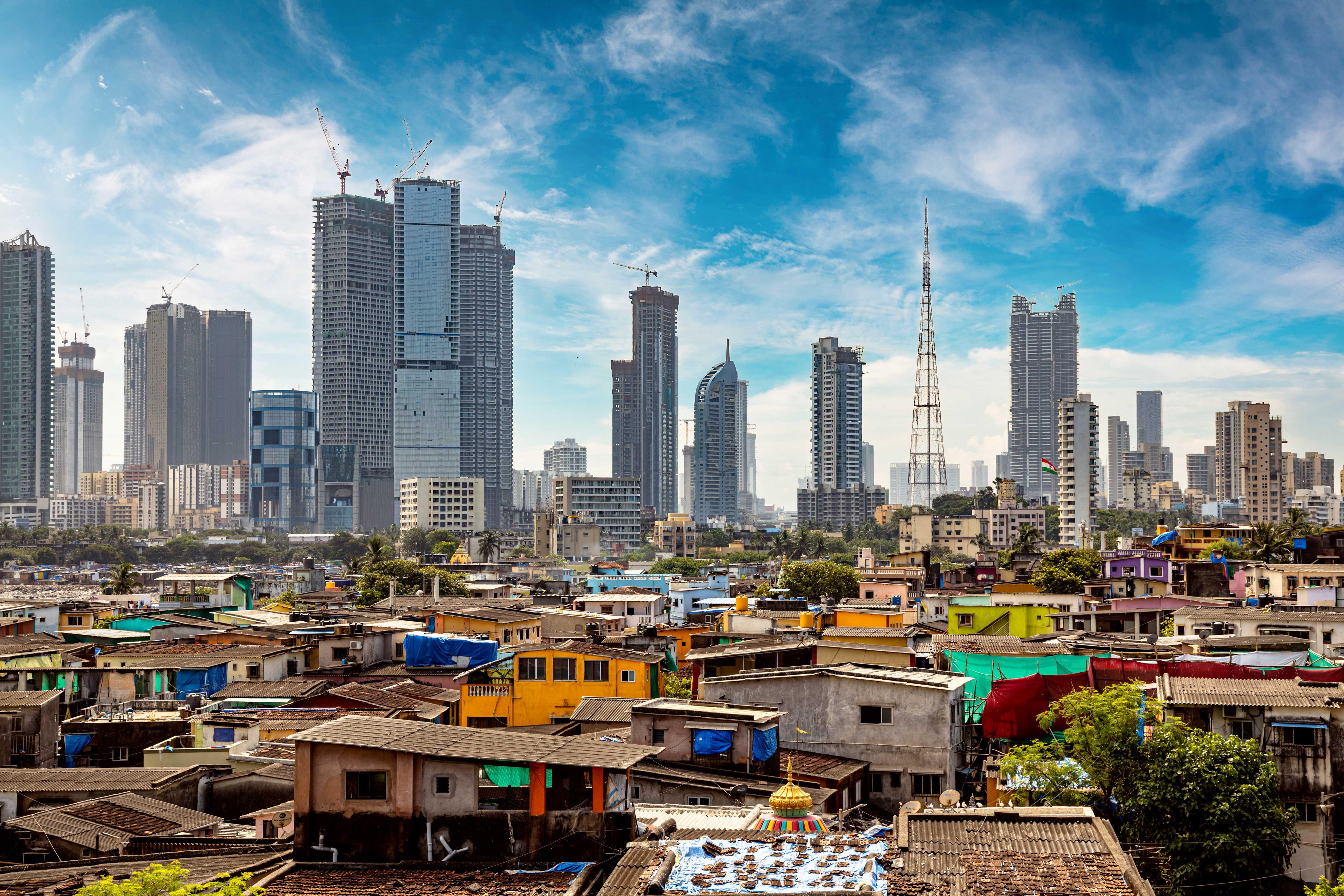
III. Southern Europe: Three Countries, One Shared Anger
Housing protests in Spain, Portugal and Greece illustrate three complementary dimensions of Europe's residential crisis.
Spain: Tourism Pressure and Residential Shortages
In several Spanish cities, including Madrid, Barcelona, Málaga and major island destinations, residential demand confronts significant supply constraints.
Tourism, international attractiveness and short-term rental activity create additional pressures in certain neighborhoods.
Tourist accommodation platforms, however, cannot explain the crisis on their own.
Construction deficits, the geographical concentration of employment, land availability and demographic developments also play important roles.
Spain's debate raises a major question: how can an economy preserve its international attractiveness while ensuring that local residents can continue living in the communities where they work?
Portugal: The Paradox of International Attractiveness
Lisbon and Porto have gained increasing international visibility, accompanied by property investment, tourism and the arrival of new residents.
This attractiveness has contributed to neighborhood regeneration and rising property values.
It has also exposed a significant disparity between the purchasing power of some international buyers and that of local households.
When property prices respond partly to international investment capacity while wages remain largely determined by the domestic economy, affordability pressures can become especially severe.
Portugal illustrates a central contradiction of open economies: international integration can increase asset values without producing proportional income gains for the wider resident population.
Greece: Housing as a Constraint on Disposable Income
Greece presents a different situation.
The country continues to experience the social and financial consequences of the prolonged economic crisis that began after 2009.
The recovery of tourism and property investment has occurred in an environment where many households still have limited financial flexibility.
According to Eurostat, housing costs accounted for approximately 36% of household disposable income in Greece in 2024, compared with approximately 19% across the European Union.
This measure includes several housing-related expenses and should not be confused with rent alone.
Nevertheless, it reveals exceptional financial pressure.
The Greek experience demonstrates that macroeconomic recovery can coexist with persistently deteriorated housing affordability.
Across all three countries, the specific demands differ, but the political question converges: who benefits from rising territorial values, and who bears the costs?
IV. North America: Homeownership Becomes a Generational Divide
In Canada and the United States, the housing crisis particularly highlights inequalities between generations and wealth categories.
Households that purchased their primary residences before major property price increases may have accumulated substantial capital gains.
New entrants, by contrast, often face larger down-payment requirements and higher mortgage payments.
This divergence transforms homeownership into a mechanism of economic differentiation.
Two households with comparable professional incomes may experience radically different wealth trajectories depending on when they entered the property market or whether they received financial assistance from their families.
Inherited wealth consequently becomes an increasingly important determinant of housing access.
In the United States, conditions vary significantly across regions.
Some markets remain relatively affordable, while others combine high incomes, elevated property prices and substantial construction constraints.
In Canada, housing pressures in metropolitan areas such as Toronto and Vancouver have intensified debates over residential supply, population growth, investment and urban planning.
The issue extends beyond the price of accommodation.
It affects social mobility.
When younger generations must allocate an increasing proportion of their resources to housing, their capacity to save, invest, establish businesses or accumulate assets may diminish.
The housing crisis therefore threatens to transform existing wealth inequalities into inequalities of future opportunity.
V. Asia: The Contradictions of Accelerated Urbanization
Asia is home to some of the world's most significant urban transformations.
Yet housing conditions across the region are extraordinarily diverse.
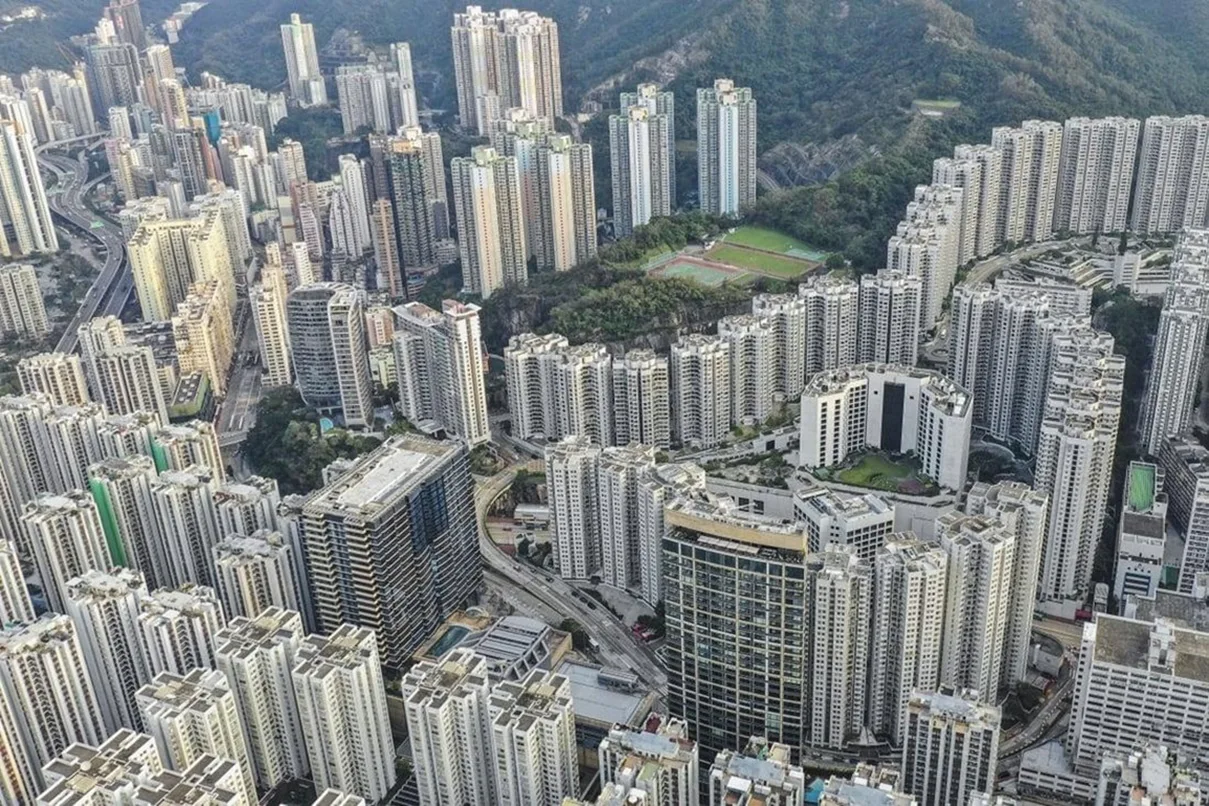
In Hong Kong, limited developable land, planning choices and market structures have contributed to historically elevated residential prices.
In Singapore, an extensive public housing system has enabled a large proportion of the population to access owner-occupied housing, although affordability and resale prices remain important concerns.
China presents an almost opposite challenge.
After years of rapid expansion, financial difficulties among major developers, sector indebtedness and regional imbalances have demonstrated that large-scale construction does not automatically produce a balanced housing market.
Some areas face substantial inventories of completed or unfinished properties, while major metropolitan centers can still experience affordability pressures.
In India and several Southeast Asian economies, urban growth creates enormous demand for housing, infrastructure, transportation and public services.
These examples reveal an essential reality: the global housing crisis does not always reflect a general physical shortage of buildings.
It can emerge from mismatches between housing locations, income levels, infrastructure quality and financing structures.
A country may simultaneously possess vacant properties and experience severe affordability problems in its most important employment centers.
VI. Africa: The Housing Challenge in the Cities of Tomorrow
In Africa, housing is inseparable from a profound demographic and urban transformation.
Metropolitan areas such as Lagos, Nairobi, Kinshasa, Cairo, Abidjan and Casablanca must accommodate substantial residential demand.
Urban expansion creates significant economic opportunities, but it also places pressure on infrastructure, transportation networks, sanitation systems and land markets.
In several countries, a large proportion of the population lacks adequate access to conventional mortgage financing.
Irregular incomes, difficulties establishing formal land titles and expensive credit restrict homeownership opportunities.
Formal construction can also produce housing whose prices exceed the financial capacity of large segments of the population.
These conditions encourage the expansion of informal settlements and inadequately serviced residential areas.
Africa's challenge is therefore not simply to build more homes.
It is to develop housing suited to actual income distributions, in neighborhoods connected to infrastructure, services and employment opportunities.
The financial dimension is equally important.
Private capital can help accelerate construction, but investment mechanisms must remain compatible with household purchasing power.
Otherwise, increased property investment may concentrate on luxury developments without meaningfully reducing the shortage of affordable housing.
Africa consequently represents a major test for 21st-century urban policy: managing rapid urbanization without permanently reproducing the residential inequalities observed elsewhere.
VII. Latin America: The Geography of Inequality
Across several Latin American metropolitan areas, housing inequalities are closely connected to the spatial organization of cities.
São Paulo, Rio de Janeiro, Bogotá, Lima and Mexico City illustrate, in different ways, the coexistence of highly valued property districts and neighborhoods affected by infrastructure deficits or residential insecurity.
Land access plays a decisive role.
Obtaining legally secure, properly serviced land close to employment centers represents a scarce economic resource.
Households unable to afford central locations often have to accept substantial geographical displacement.
That displacement creates additional transportation costs, time burdens and sometimes security risks.
The real cost of housing therefore extends beyond rent or mortgage payments.
It also includes the expenses and constraints involved in reaching employment, education and essential services.
This transforms the housing crisis into a question of economic productivity.
A city in which workers spend several hours commuting every day bears a substantial collective cost.
Residential inequality becomes inequality of access to economic opportunity.
VIII. Tourism and Digital Platforms: A New Competition for Urban Space
The conversion of residential properties into tourist accommodation has become one of the most visible dimensions of the housing debate.
In certain destinations, short-term rentals offer property owners potentially higher returns than conventional long-term leases.
This difference can encourage the reallocation of part of the housing stock.
The impact, however, depends heavily on local market conditions.
In neighborhoods where supply is already limited, removing properties from the residential market can contribute to upward pressure on rents.
Elsewhere, the effects may be smaller or concentrated in specific locations.
Digital accommodation platforms are therefore neither the sole cause of the crisis nor an insignificant factor in every market.
Their expansion reveals growing competition between different economic uses of the same urban space: permanent residence, tourism, wealth investment and commercial activity.
This competition raises a governance question.
How far can a city prioritize the revenues generated by its international attractiveness without undermining the living conditions of its permanent population?
The answer depends on political choices concerning taxation, licensing, rental regulation and housing development.
IX. Housing as a Driver of Wealth Inequality
The housing crisis has an especially profound dimension: it is reshaping the mechanisms through which wealth is accumulated and transferred.
In many economies, the primary residence represents a major component of household wealth.
When property prices increase, homeowners may record substantial capital gains even without equivalent growth in their incomes.
Renters, by contrast, do not directly benefit from that appreciation.
They may even bear part of its cost when rising property valuations coincide with higher rents.
This asymmetry contributes to increasingly divergent economic trajectories.
Homeowners may use property wealth to finance additional investments, transfer assets to their children or improve access to credit.
Households without real estate assets generally possess fewer forms of collateral and must build savings from incomes already reduced by housing expenses.
The process can increase younger generations' dependence on family resources.
Access to ownership may consequently become less dependent on employment income alone and more closely linked to pre-existing capital.
This development connects housing to a central question in contemporary political economy: what role can labor income play in wealth accumulation when rising asset values increasingly influence household fortunes?
Housing lies at the center of this tension.
It represents an essential expense for some and a source of wealth for others.
X. Can a Housing Crisis Become a Democratic Crisis?
European demonstrations show that housing pressures do not necessarily remain confined to economic debates.
They can develop into political mobilizations when populations believe that institutions are no longer capable of ensuring living conditions compatible with their incomes.
Housing directly affects several dimensions of citizenship.
It determines whether individuals can remain in their cities, establish households, live near employment opportunities and participate in community life.
When residents are forced to leave central districts or neighborhoods where they grew up, they may experience a sense of dispossession.
That feeling can become particularly intense when the economic transformation of neighborhoods visibly benefits actors with substantially greater financial resources.
Housing pressures can therefore contribute to distrust toward public authorities, investors, tourism platforms and urban development strategies.
It would nevertheless be reductive to attribute political mobilizations automatically to a single economic cause.
Protests also depend on institutions, collective organizations, political traditions and national circumstances.
Yet a broader trend is emerging: housing affordability is becoming a central issue in the social contract.
The ability to live in a city is no longer merely a property-market question.
It increasingly concerns political representation, territorial justice and the distribution of economic growth.
XI. Public Policy Confronts a Difficult Equation
No single measure can resolve every housing-market imbalance.
Rent regulation can protect certain households against rapid increases, but its effects depend on its design, enforcement and interaction with housing supply.
Poorly calibrated controls may weaken some incentives to invest or offer properties for rent.
Public and affordable housing development can expand residential opportunities over the long term, but it requires land, financing, administrative capacity and sustained strategic commitment.
Urban densification can increase supply in attractive locations, provided that it is accompanied by investment in transportation, public facilities and infrastructure.
Regulating short-term tourist rentals can reduce competition between uses in highly pressured neighborhoods, but it cannot substitute for a comprehensive construction policy.
Land taxation can also influence ownership, development and land-use decisions.
Finally, transportation and regional planning policies can improve access to employment from more affordable residential areas.
The difficulty lies in coordinating these instruments.
A policy focused exclusively on demand, such as purchase subsidies, risks supporting higher prices if supply cannot expand.
Conversely, a strategy based solely on construction may prove insufficient if new housing does not correspond to the incomes and needs of the population.
Successful housing policy therefore requires a combination of supply expansion, financing mechanisms, regulation and territorial planning.
XII. The Economic Paradox: Rising Wealth Can Reduce Affordability
Real estate possesses a distinctive economic characteristic.
An increase in its value can be interpreted as a sign of prosperity.
It improves homeowners' balance sheets, supports certain financial activities and may increase public revenues linked to property transactions or ownership.
Yet the same increase can make housing less accessible to new households.
There is therefore a fundamental difference between rising asset wealth and improving collective living conditions.
A city can experience substantial property appreciation without comparable growth in wages, productivity or residential supply.
Under certain circumstances, higher housing costs can even weaken economic dynamism.
Businesses encounter greater recruitment difficulties when employees cannot afford to live near workplaces.
Households allocate larger proportions of their income to residential expenses, reducing their capacity to consume other goods and services.
Professional mobility declines when moving to another city involves prohibitive housing costs.
Young workers may postpone independent living, relocation or family plans.
The housing crisis is therefore not merely a consequence of economic imbalances.
It can become a mechanism that perpetuates them.
An economy can become wealthier in real estate terms while becoming less accessible to the people whose work generates its prosperity.
XIII. Toward a New Global Geography of Housing
The coming decades may intensify residential pressures in several regions.
Urbanization will continue to reshape demand, particularly in economies experiencing rapid growth in their urban populations.
Population aging will transform housing needs elsewhere.
Migration, changes in employment patterns and the concentration of economic activity will continue to influence the geography of property markets.
Climate change will introduce an additional constraint.
Flood risks, extreme heat, droughts and destructive weather events can affect land availability, insurance costs and property values.
In some regions, reconstruction and adaptation will require substantial investment.
The energy transition will also transform residential economics.
Thermal renovation, energy efficiency and infrastructure modernization can reduce long-term expenses, but their initial financing creates difficulties for many households.
These developments reinforce the need to treat housing as long-term economic and social infrastructure.
The challenge will not simply be to produce more square meters.
It will be to build residential systems capable of remaining affordable, resilient and adapted to demographic, climatic and economic transformations.
Conclusion — The Right to Live Versus the Logic of Asset Appreciation
From Madrid to Lisbon, Athens to Toronto, Nairobi to São Paulo, the housing crisis reveals different realities but a shared question.
How can societies organize access to an essential resource when its economic value depends simultaneously on residents' needs, investment strategies, land scarcity and capital flows?
The answer cannot be reduced to a confrontation between homeowners and renters, investors and citizens, or markets and governments.
Investment remains necessary to finance construction, maintain buildings and modernize cities.
But the performance of a housing system cannot be evaluated exclusively through rising property prices, transaction volumes or financial returns.
It must also be assessed according to its ability to accommodate populations sustainably, facilitate labor mobility, limit territorial segregation and preserve opportunities for upward social mobility.
European mobilizations signal an important political development.
Growing numbers of people are challenging an economic arrangement in which working in a city no longer necessarily guarantees the ability to live there.
The global housing crisis may therefore become one of the clearest expressions of the contradictions within contemporary capitalism: an economic system capable of generating enormous real estate wealth, but whose mechanisms of distribution and production do not always guarantee access to housing.
In the 21st century, housing affordability may become one of the most important indicators of an economy's actual success.
Because the prosperity of a society cannot be measured solely by the value of its buildings.
It must also be measured by the ability of its people to find a place within them.
Sources and References
- Eurostat — Housing in Europe, 2025 edition: housing costs, affordability and European comparisons.
- OECD — Affordable Housing Database and research on property markets, supply constraints and lower-income households.
- UN-Habitat — World Cities Report 2024: urbanization, urban inequalities and housing challenges.
- World Bank — Research on urban development, land access and infrastructure in emerging economies.
- International Monetary Fund — Analysis of property prices, monetary conditions and financial stability.
- Radio France Internationale (RFI), October 2026 — Reporting on housing-related protests in Spain, Greece and Portugal.
Methodological note: the mechanisms discussed do not produce identical outcomes across countries. Financialization, tourism, construction constraints and demographic imbalances must be evaluated in relation to each market's institutional and economic structure. The international examples provide a comparative framework rather than suggesting the existence of a uniform global crisis.
Atlas Limits — Global Economy | Society | Geopolitics of Inequality
Atlas Limits Research Desk
Atlas Limits’ editorial and analytical desk.