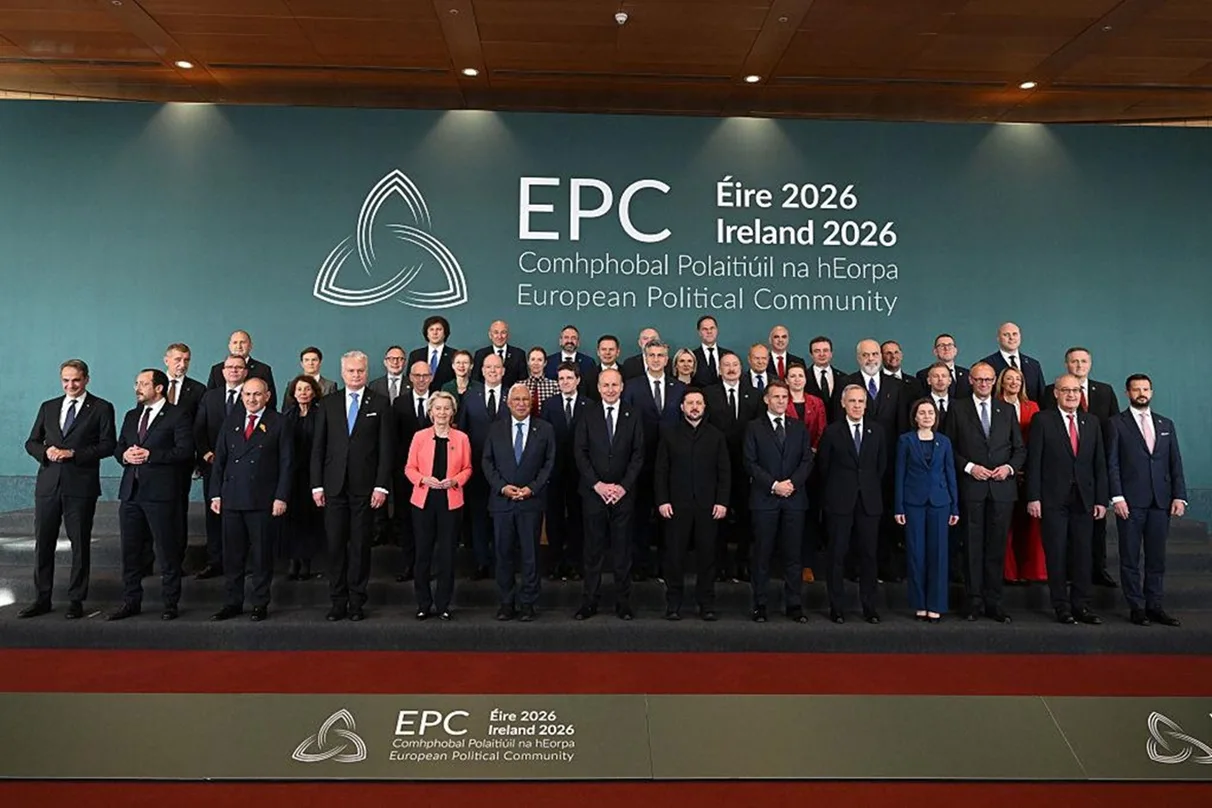
Europe has defined a format for representation in Ukraine discussions; that decision alone does not create a common mandate for every condition of peace. Following the informal Dublin meeting on 13 November 2026, António Costa described a team comprising EU institutions and five Coalition of the Willing countries: France, Germany, Italy, Poland and the United Kingdom. [1] The announced format is EU–E5, not a team formally including NATO as an additional member.
NATO remains concerned with a settlement's security consequences and consultations among allies. That function differs from the representation agreed in Dublin. EU institutions, national governments and NATO have different powers. Sanctions, financial contributions and troop commitments do not necessarily fall to the same actor or procedure.
Choosing a team addresses a delegation problem. A single envoy could speak more readily but would need sufficiently precise instructions and governments' confidence. A group represents more interests while requiring more coordination. The practical question is how decisions can be taken during negotiations: which proposals can be accepted, which require renewed government approval and who guarantees implementation?
This arrangement should not be presented as replacing Ukrainian representation. Territorial questions and commitments directly affecting Ukraine require its participation. Europeans also have an interest in avoiding financial or security obligations defined entirely elsewhere. G7 ministers affirmed on 11 November that negotiations about Europe's future security must include Europeans. [2]
Influence will nevertheless depend on credible commitments. Economic support, sanctions and military capabilities are different instruments; their negotiating value rests on availability and political willingness to use them. The combined size of the represented economies does not guarantee agreement about deployment.
The diplomatic process therefore needs to be assessed in stages. Establishing a team addresses part of the representation problem. Securing access, agreeing instructions and implementing commitments are further tasks. Dublin provides a mechanism for pursuing them. Its effectiveness will be measured through positions it can sustain and guarantees its participants can actually deliver.
Sources
[1] European Council, informal meeting of 13 November 2026.
[2] G7, declaration published on 11 November 2026. Institutional implications are Atlas Limits analysis.
Atlas Limits Research Desk
Atlas Limits’ editorial and analytical desk.