

Authors
Atlas Limits Research Desk
Atlas Limits’ editorial and analytical desk.
147 published articlesPublished articles
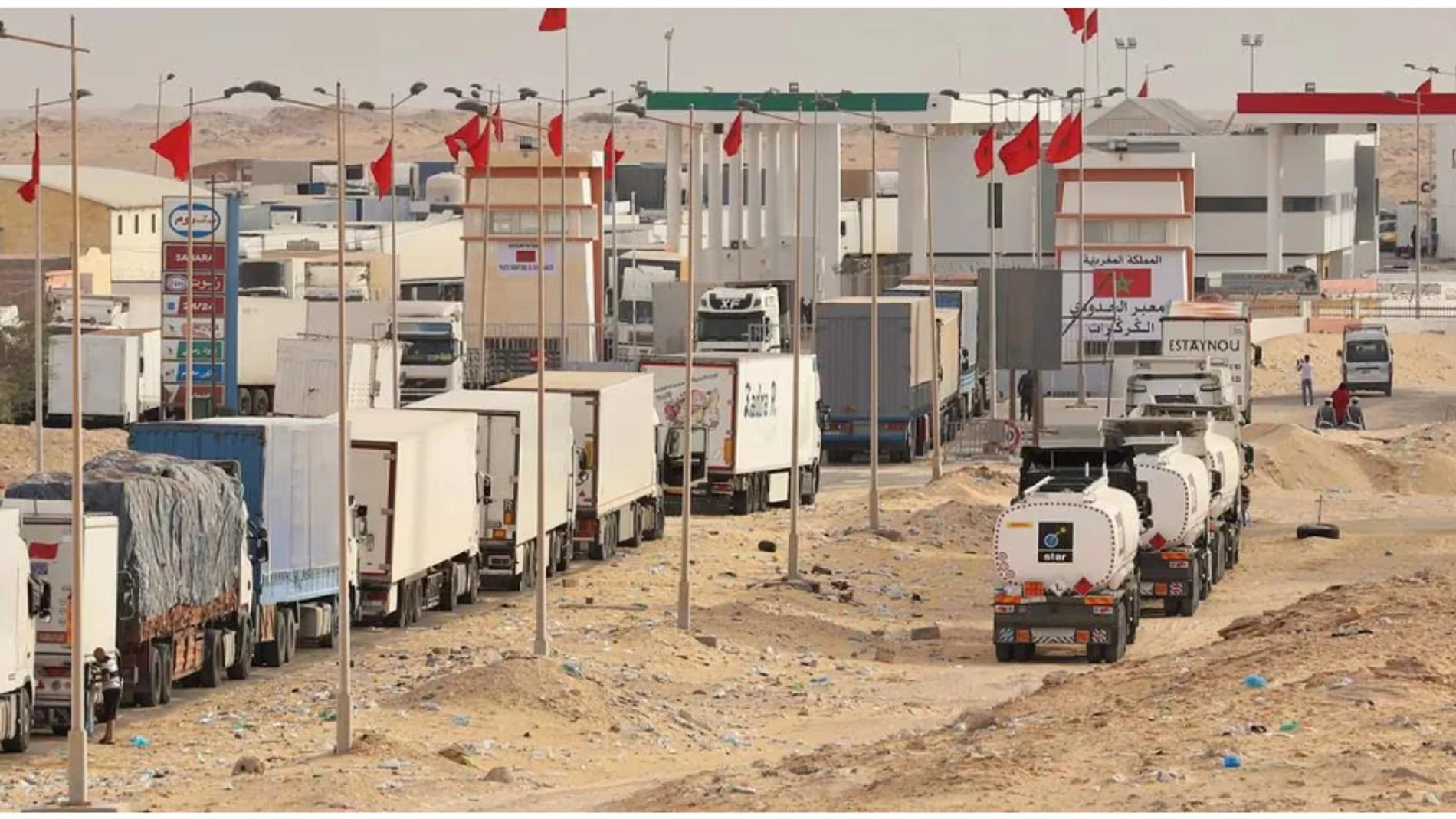
Morocco–Mali: The Atlantic Tested by the Sahel
In the spring of 2026, Moroccan trucks travelling through western Mali were attacked and set on fire.
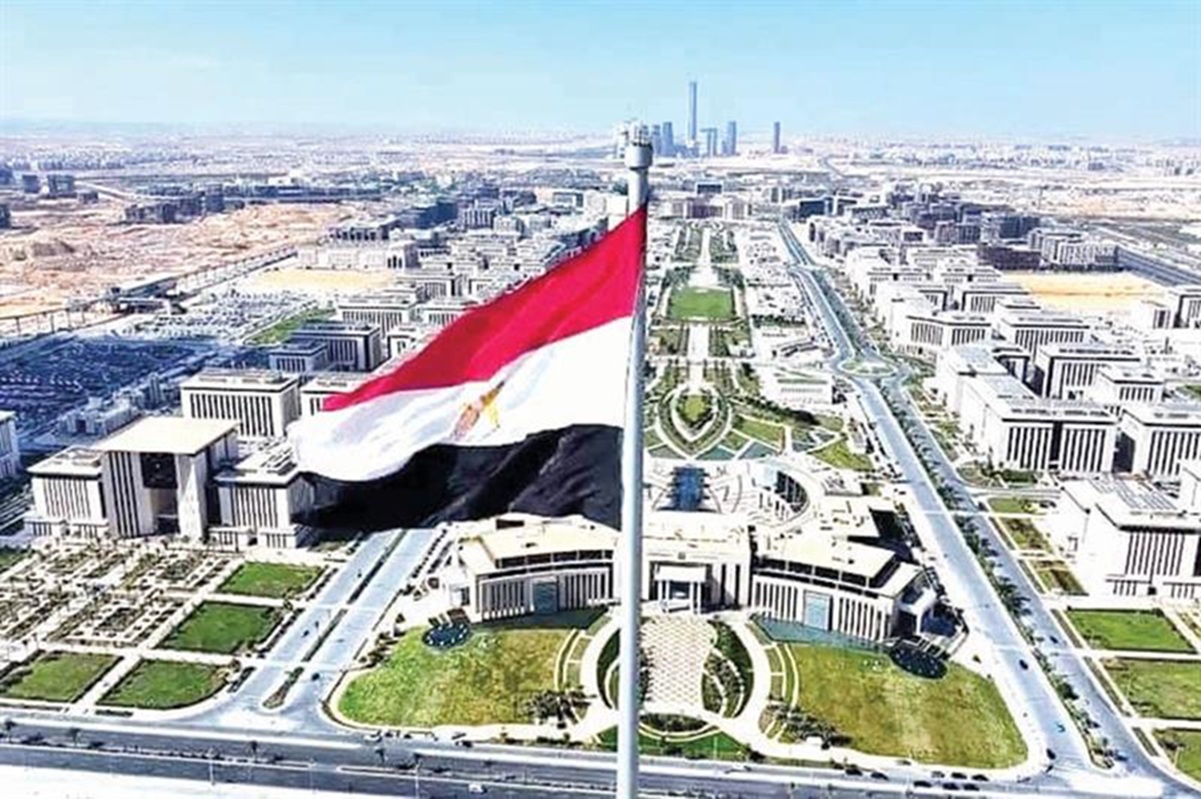
Egypt: The Weight of the World
Some countries derive their importance from wealth, others from military power, technology, or their ability to project influence beyond their borders. Egypt belongs to a different category. Its importance begins with geography.
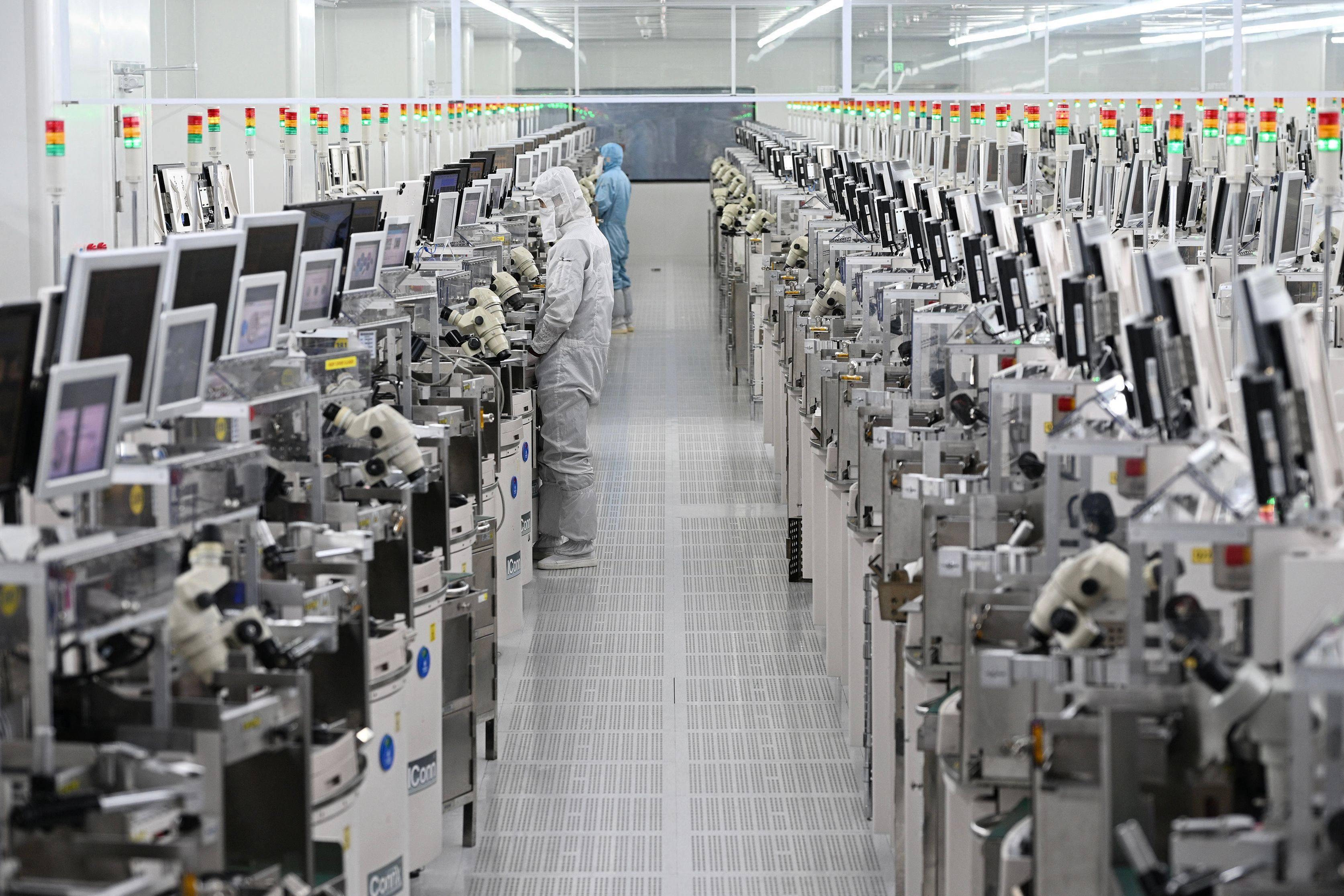
China’s Parallel Technology System
Artificial intelligence, semiconductors, batteries, electric vehicles, telecommunications, platforms, drones and robotics: China is no longer seeking merely to manufacture the world’s technologies. It is attempting to master the system that produces them.
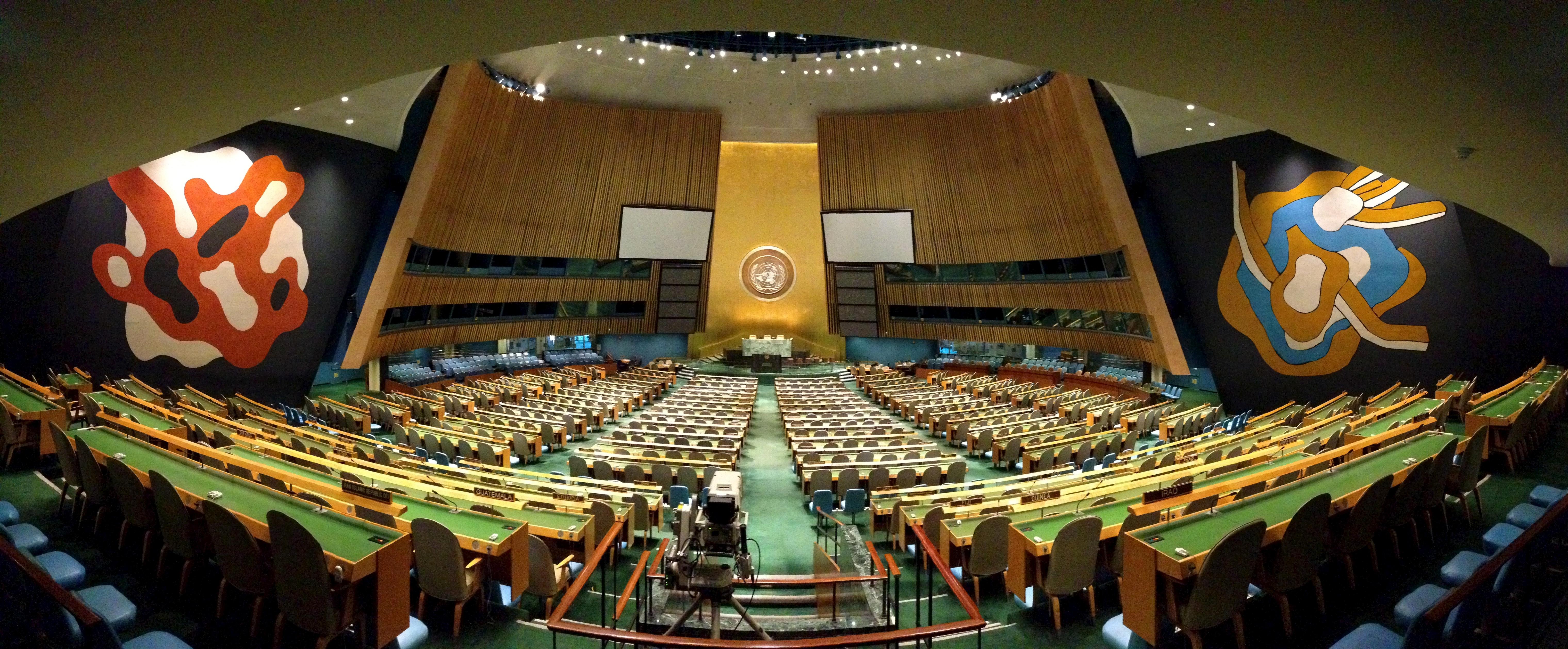
The Geography of Ideologies: From Human Societies to Artificial Intelligence
Liberalism, conservatism, socialism, nationalism, religion, markets, equality, authority and sovereignty are not combined in the same way across human societies. Left and right continue to structure a large part of political competition, but they are not sufficient to map the world. Ideologies are shaped by history, institutions, religions, economic structures, social classes, generations and territories. As artificial intelligence systems become universal intermediaries between individuals and knowledge, this diversity raises a new question: how can machines be designed to be politically neutral in a world that has no universal political center of its own?
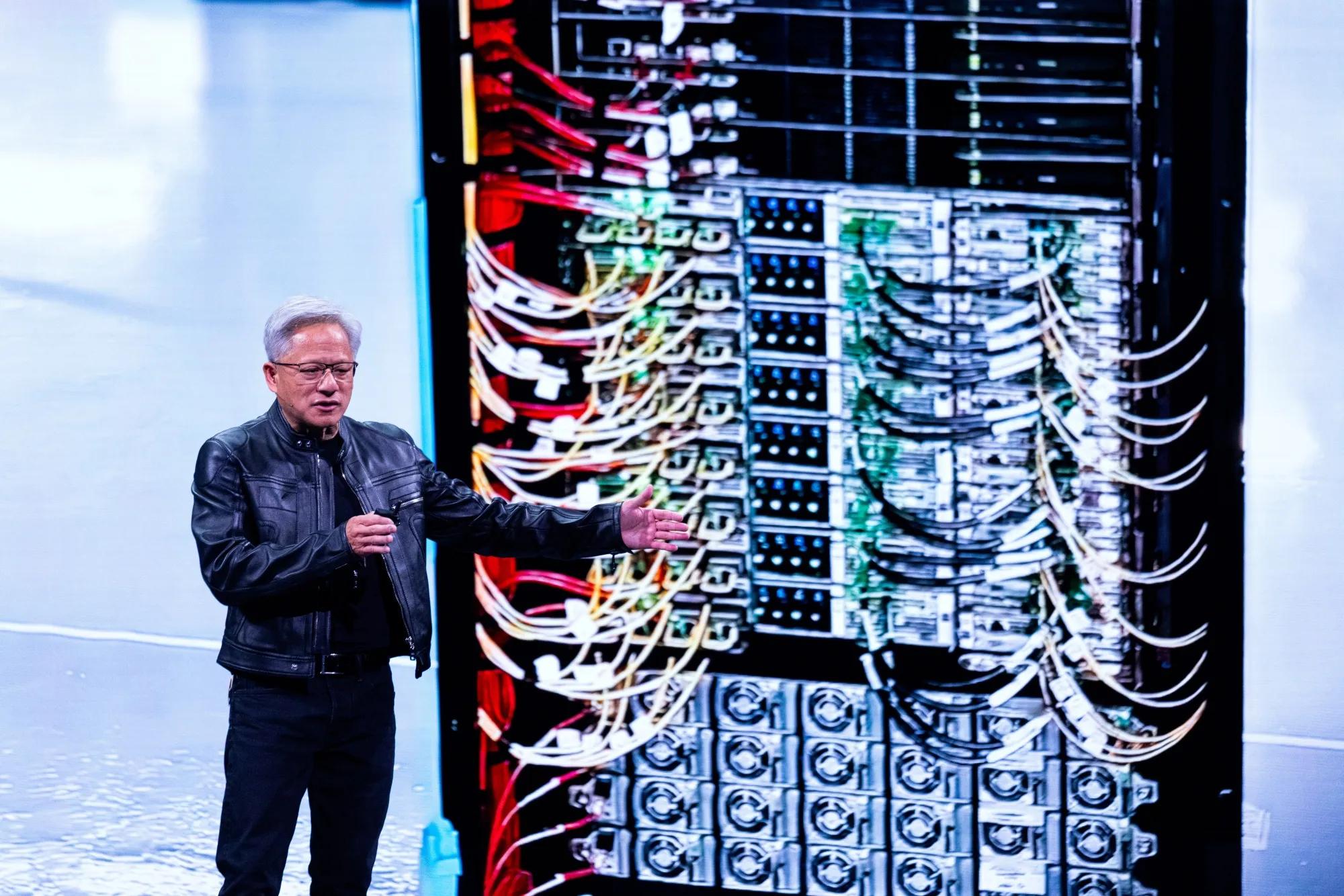
NVIDIA–Hugging Face: When Open AI Meets the GPU Empire
For several years, competition in artificial intelligence has been portrayed primarily as a race between models. OpenAI, Google, Anthropic, Meta, followed by a new generation of American, European and Chinese players, have competed over scale, performance, cost and capability. Ye
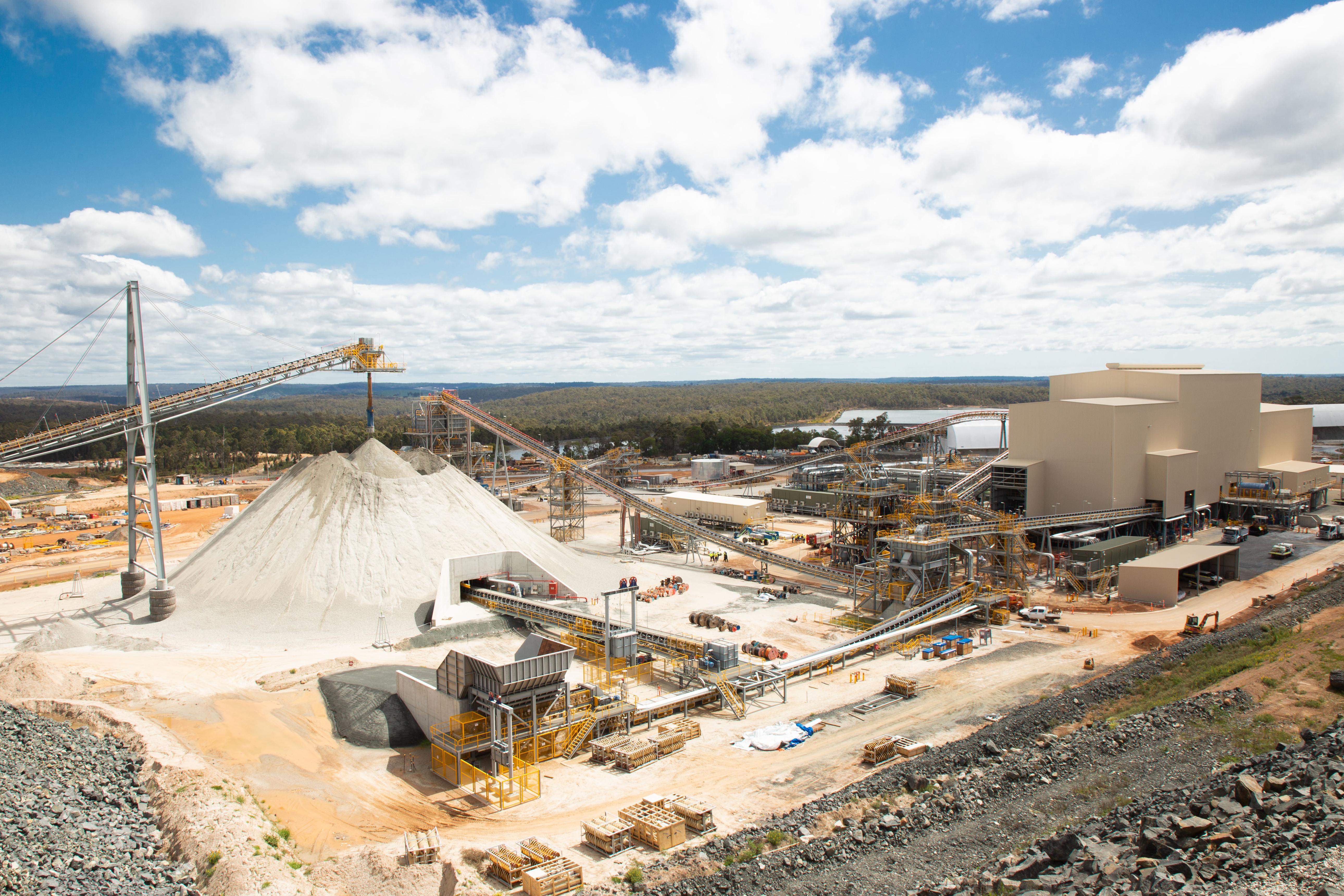
Lithium: The New Geography of Power
For much of the twentieth century, the geography of power was built around oil. States secured fields, built pipelines, protected maritime chokepoints, financed refineries and shaped alliances around access to energy. Oil did not explain the international system on its own, but i
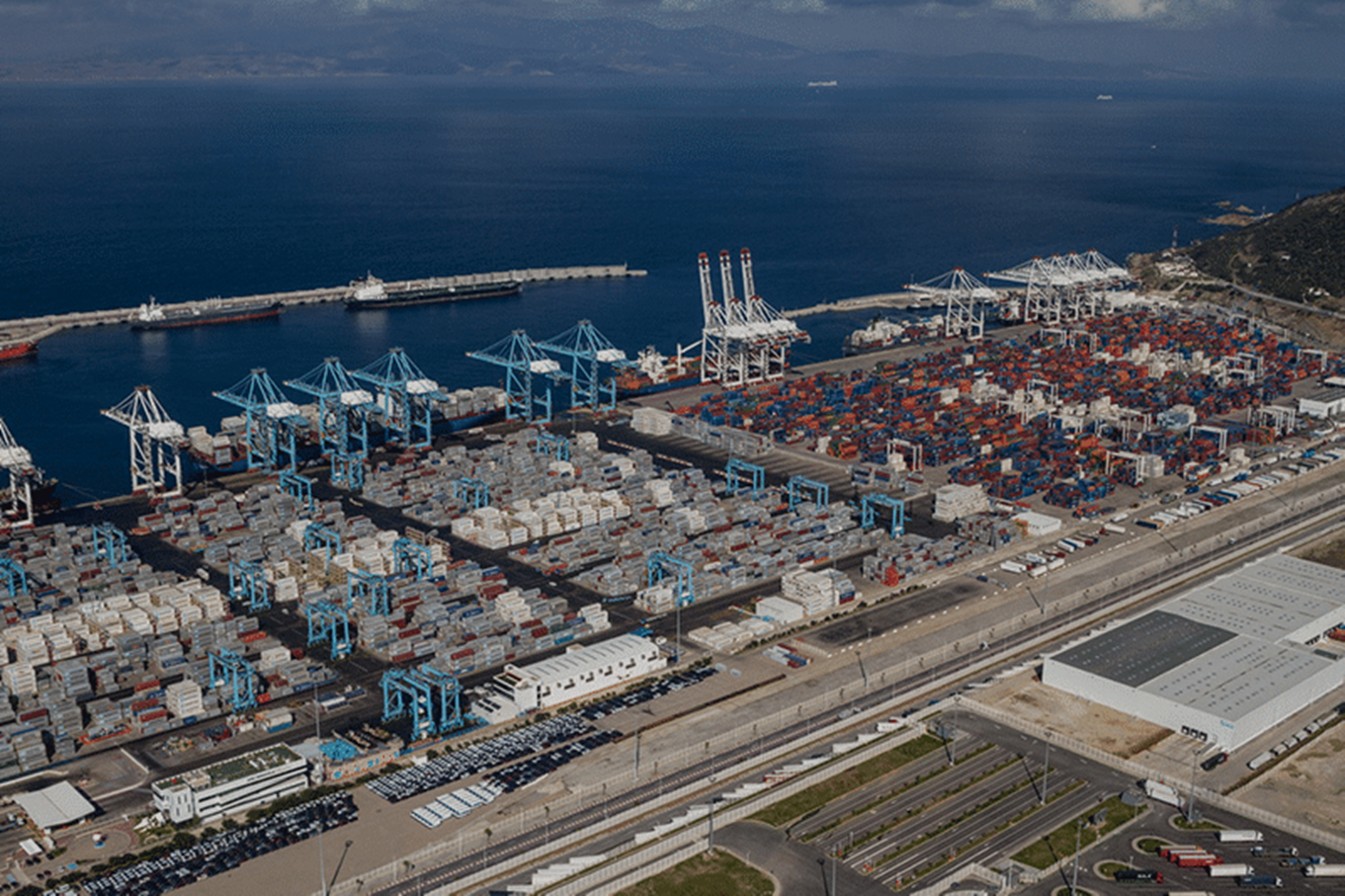
Morocco: Between Stability and Transformation
Some countries’ contemporary histories are best understood through their ruptures. Morocco is better understood through its continuities. The monarchy, the state, the country’s territorial architecture and a particular conception of sovereignty have endured across decades without

Bill Gates and the Unplanned AI Era
In March 2023, Bill Gates declared that the age of artificial intelligence had begun. At the time, he compared its transformative potential to that of the personal computer, the mobile phone, and the internet. Three years later, his vocabulary has changed. Revolution has given wa

One Constitution, Many Americas: The Transformation of the American Republic
From the Federalists to Trumpism, how parties and their coalitions transformed the American Republic The United States has lived under the same Constitution since the late eighteenth century. Yet it has never lived under a single, unchanging political order. Behind the continuity
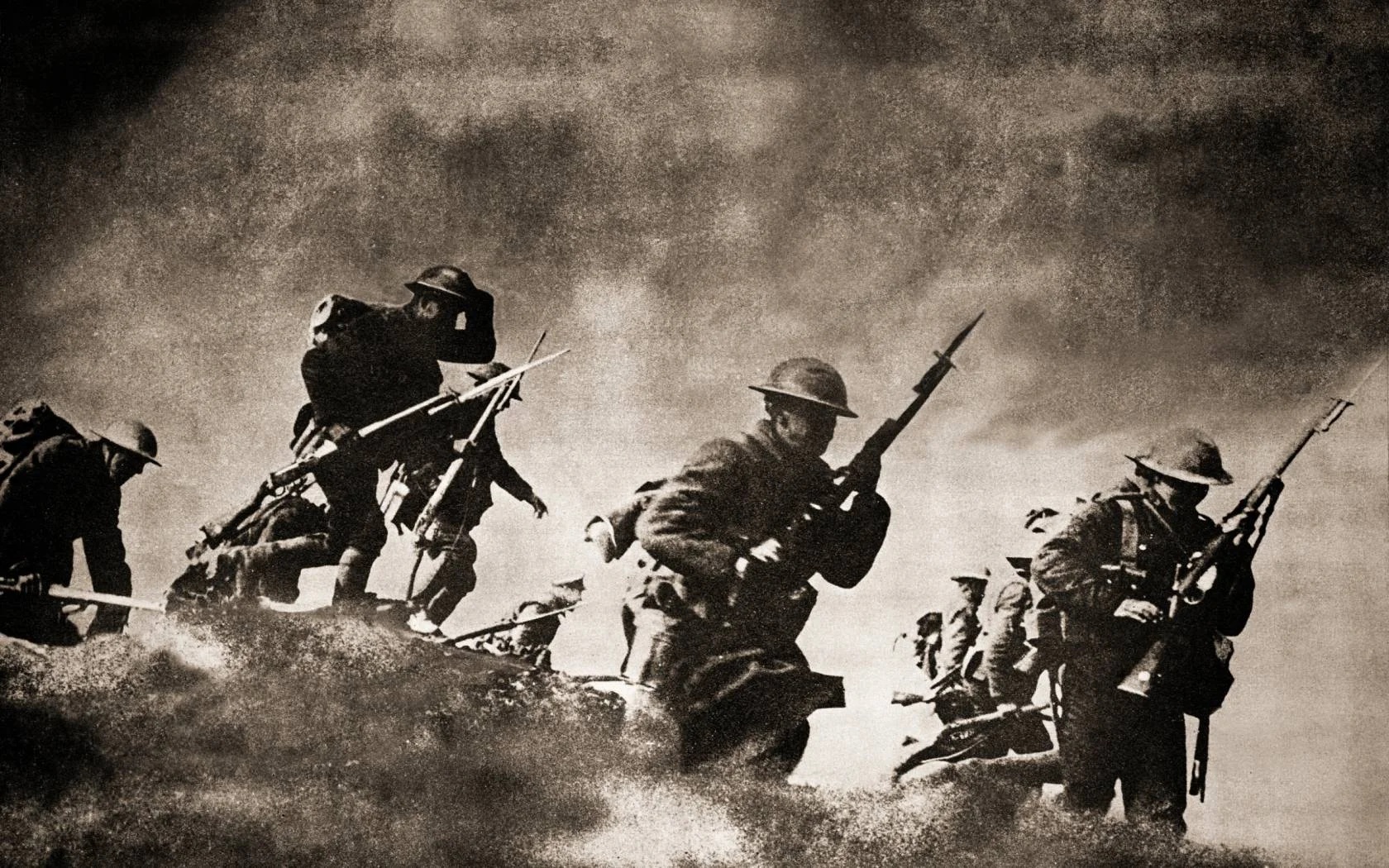
The Necessary Enemy: War as a Political Refuge
Peace requires governments to account for their performance. It exposes the quality of schools, the reliability of infrastructure, the condition of public finances, the economy’s capacity to create employment, and the ability of institutions to correct their own failures. It leav

The Family Under Pressure
Couples, parenthood, friendship, solitude and transmission: contemporary societies are not merely changing the way people live. They are progressively redistributing functions that the family performed for centuries. Behind individual emancipation therefore lies a major collectiv
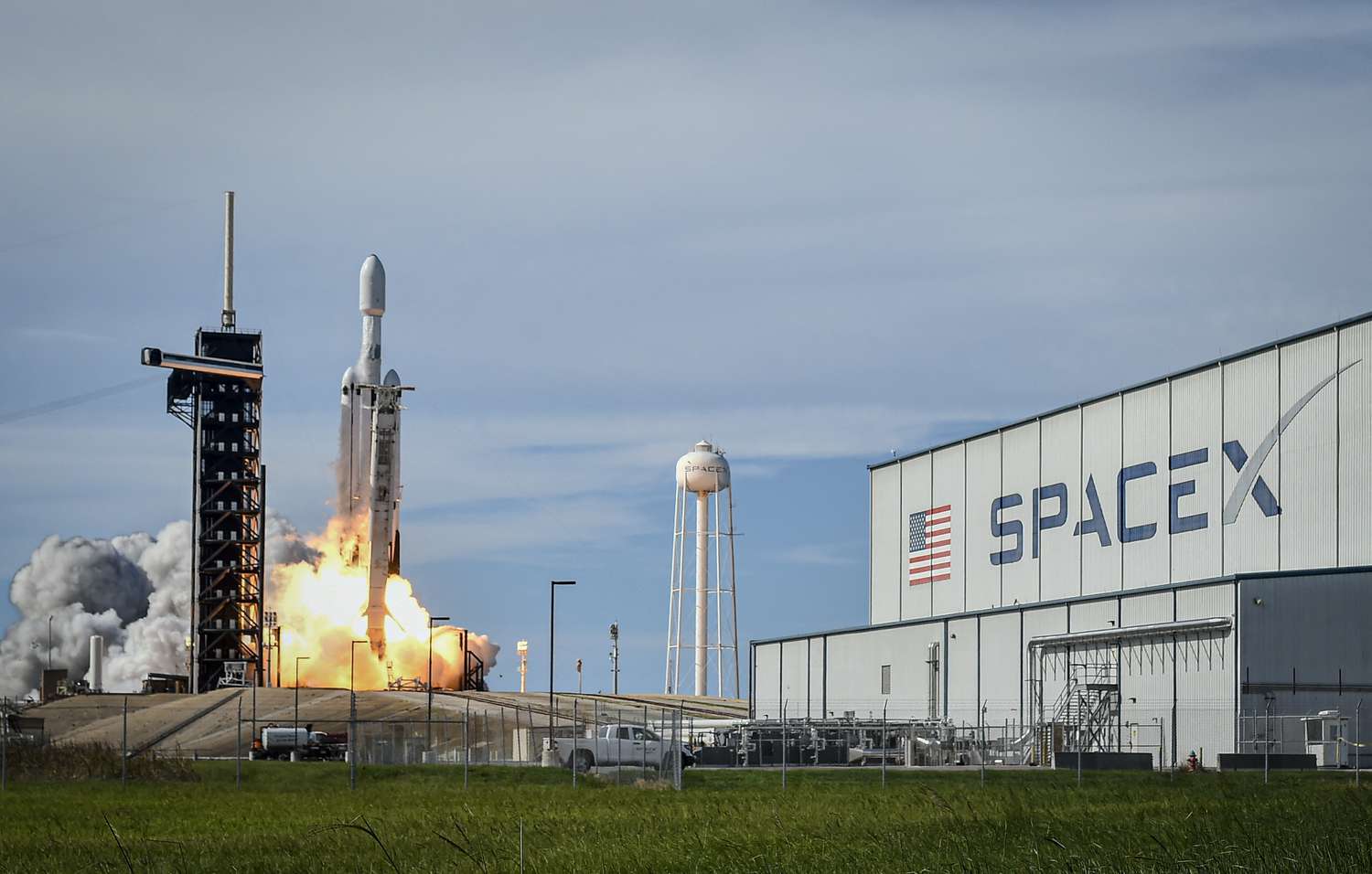
SpaceX: The Infrastructure of a Private Space Power
For most of the space age, reaching orbit was the preserve of states. Soviet rockets launched from Baikonur, American missions from Cape Canaveral and Kennedy Space Center, while Europe built its strategic autonomy around Kourou. Access to space required vast public budgets, mili