

Authors
Atlas Limits Research Desk
Atlas Limits’ editorial and analytical desk.
147 published articlesPublished articles
Global Trends: One Planet, Diverging Trajectories
Demographics, urbanization, energy, trade, technology, resources, climate, migration and rearmament are transforming the global system simultaneously. These forces are global. Their effects are not. Behind the world's headline indicators lies an increasingly differentiated landscape, in which every region enters the next decade with profoundly different constraints, resources and trajectories.
Israel: Power Under Pressure
Between domestic divisions and a shifting regional order, Israel’s power are coming under increasing pressure. An analysis of the strengths and vulnerabilities redefining its place in the Middle East.
The International Monetary Fund: Guardian of the Global System’s Crises
When a state can no longer finance itself normally, its foreign-exchange reserves are being depleted and market confidence is collapsing, one institution often moves to the center of the equation: the International Monetary Fund.
WTO: The Weakened Arbiter of Global Trade
It was meant to transform global trade into a system governed by rules. Three decades later, the World Trade Organization remains at the heart of international commerce, but the major powers are once again learning to trade according to the imperatives of security, sovereignty and power.
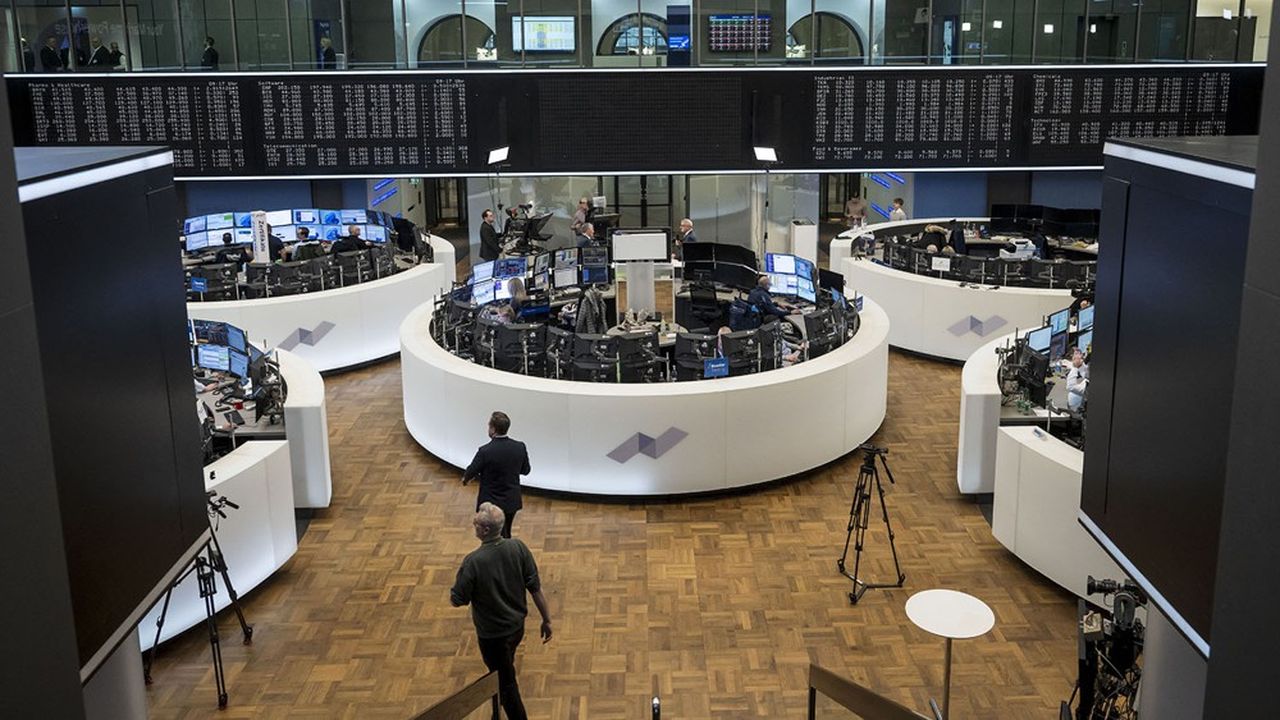
The International Monetary System: The Financial Architecture of the World
Behind every international payment, every sovereign debt issue, every foreign-exchange reserve and every financial crisis lies a global architecture that no single authority fully controls.
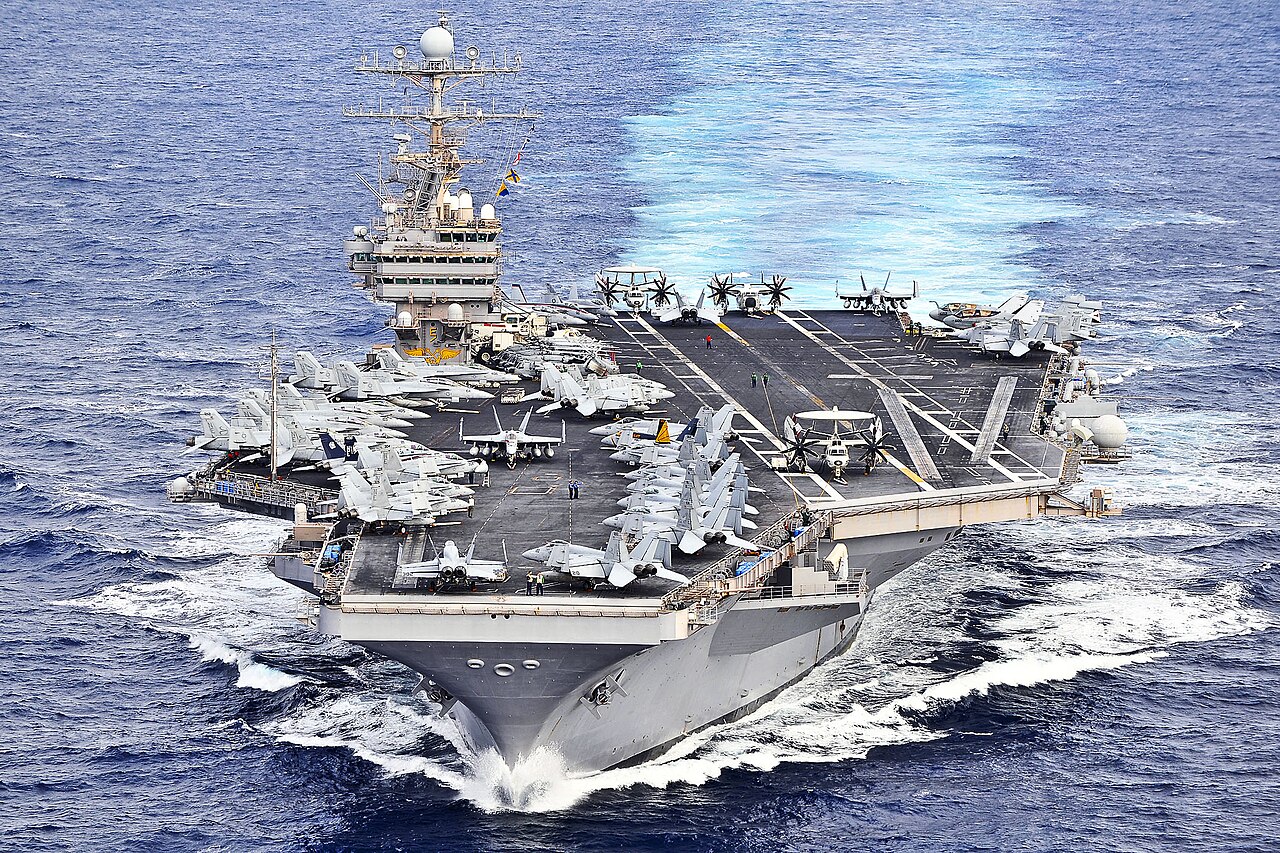
Who Controls the Seas?
Maritime power is not measured solely by the number of aircraft carriers a country possesses. It also resides in merchant fleets, straits, ports, flags, insurers, submarine cables and the rules that allow global trade to move. No one controls the oceans outright — yet their functioning depends on a surprisingly small number of actors and chokepoints.
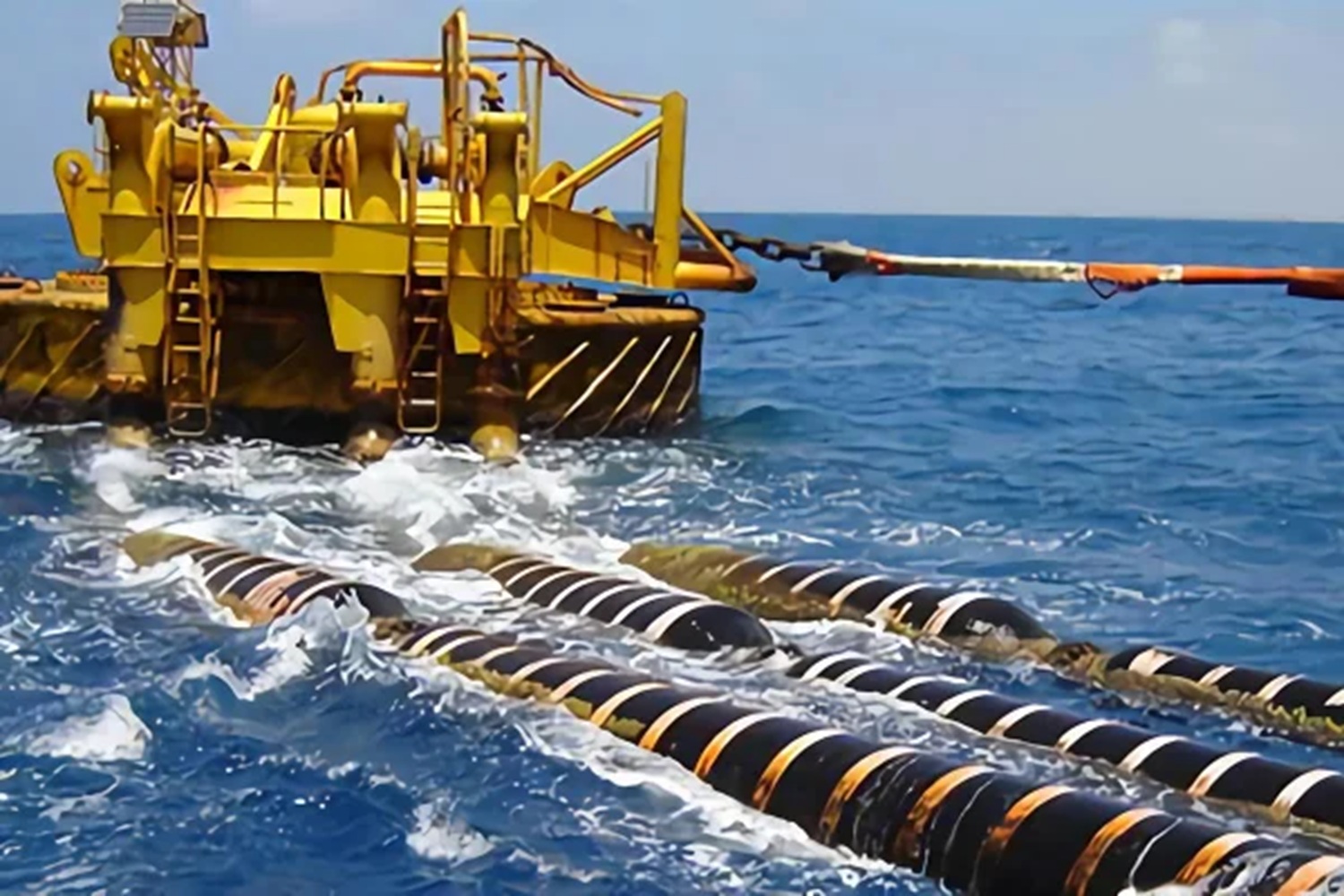
Beneath the Oceans, the Arteries of Digital Power
The digital economy favors aerial metaphors. Data circulates through the “cloud,” companies deploy “dematerialized” services, markets operate in real time, and communications appear to travel instantaneously through a borderless space. Yet this representation conceals a far more

The World Under Insurance
The invisible power of those who decide which risks can still be taken
The Trading Giants: The Companies That Keep the Global Economy Moving
They do not always produce the oil, copper or wheat. Nor do they consume it. But between the two, they organise part of the world.
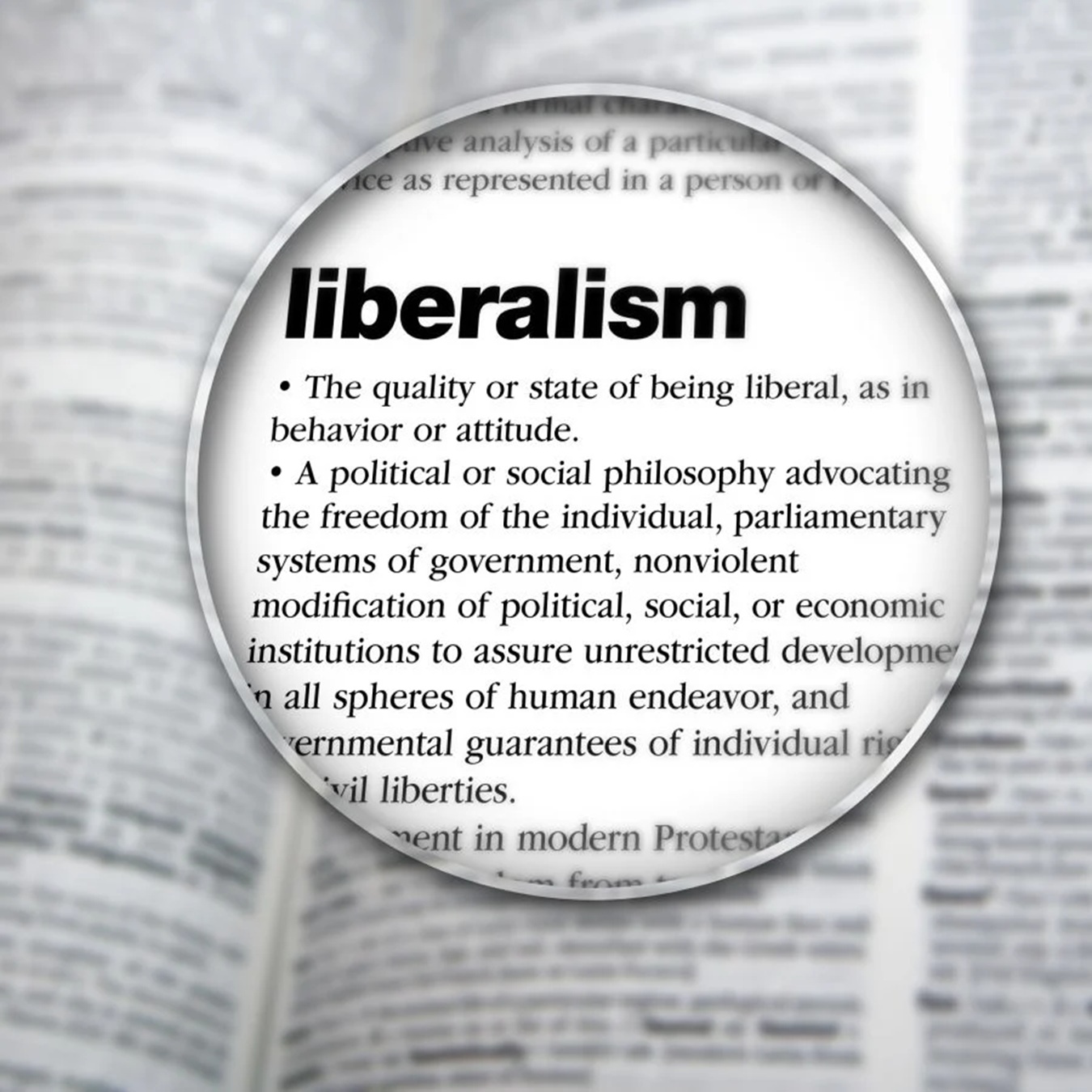
Liberalism: The History of an Idea That Became a System
Liberalism is now everywhere and nowhere. It structures much of the contemporary political order, underpins the functioning of market economies, and permeates concepts that have become almost universal: individual freedom, property, equality before the law, freedom of expression,
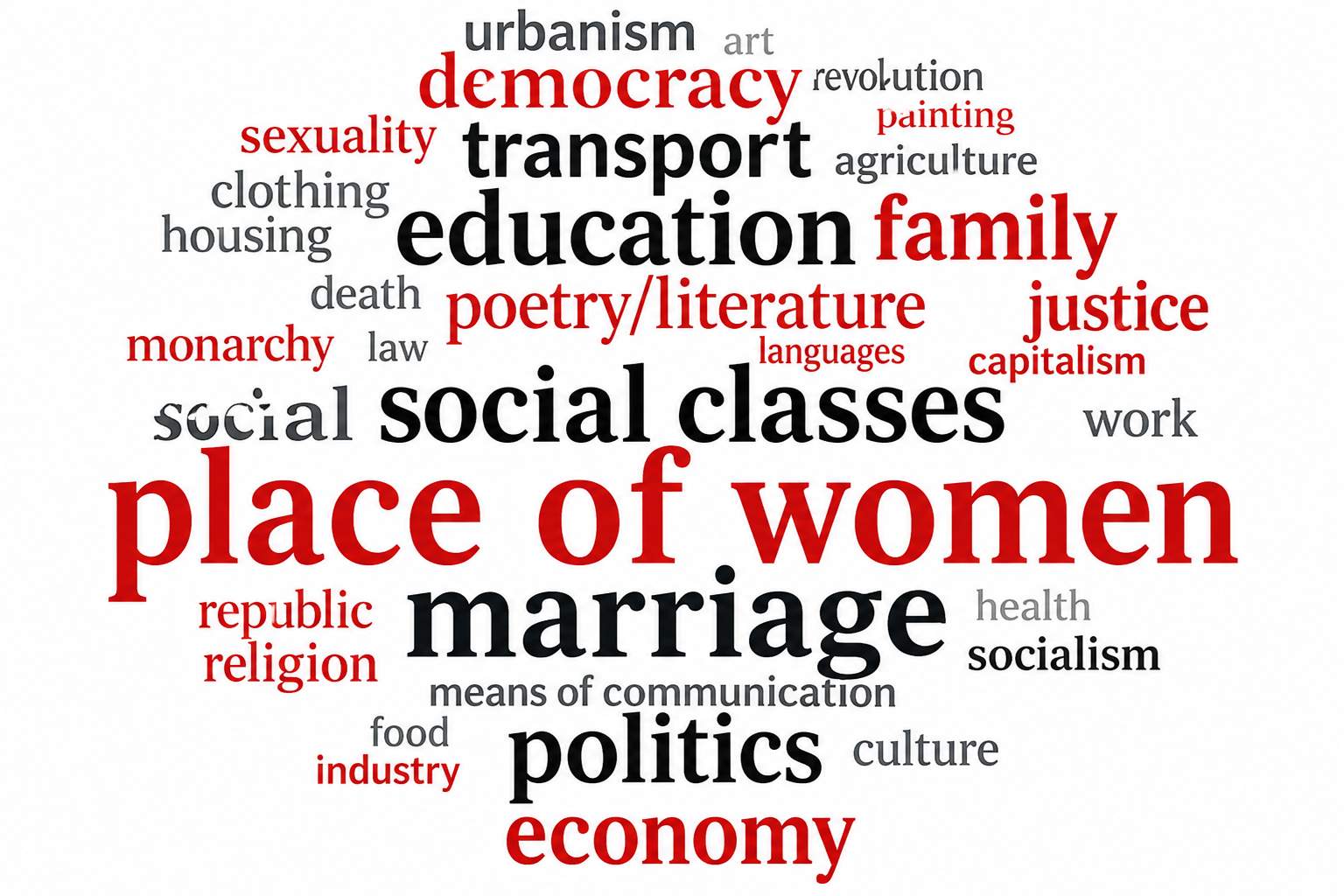
Rights, Women, Family: The Recomposition of the Social Order
For centuries, in most societies, the individual was not the fundamental unit of the social order. People belonged first to a family, lineage, community, caste, clan or religious order. Their rights, obligations, property, marriage and sometimes even occupation were largely deter
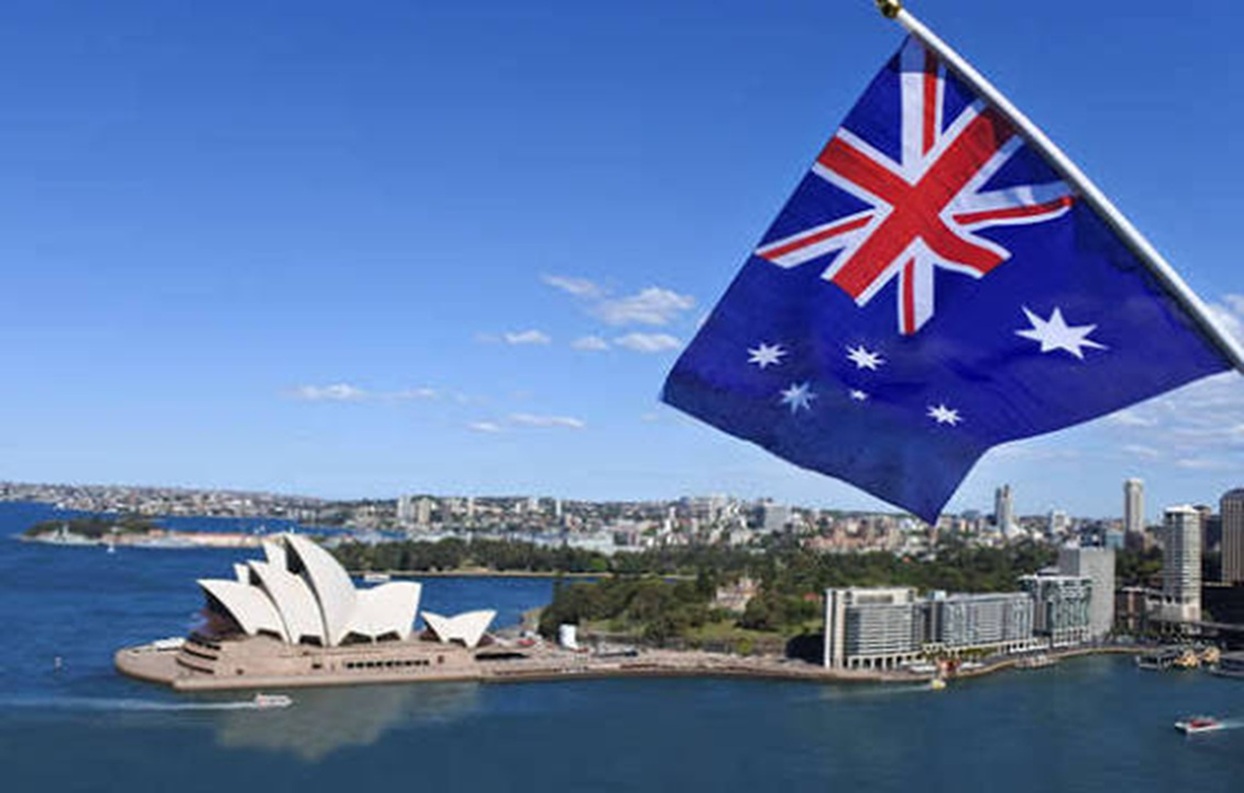
Australia: Between Asia and the West
Australia occupies a singular position in the international system. Geographically, it belongs fully to the Indo-Pacific. Historically, institutionally and strategically, it remains deeply connected to the Western world. Economically, meanwhile, it depends heavily on trade with A