

Authors
Atlas Limits Research Desk
Atlas Limits’ editorial and analytical desk.
147 published articlesPublished articles
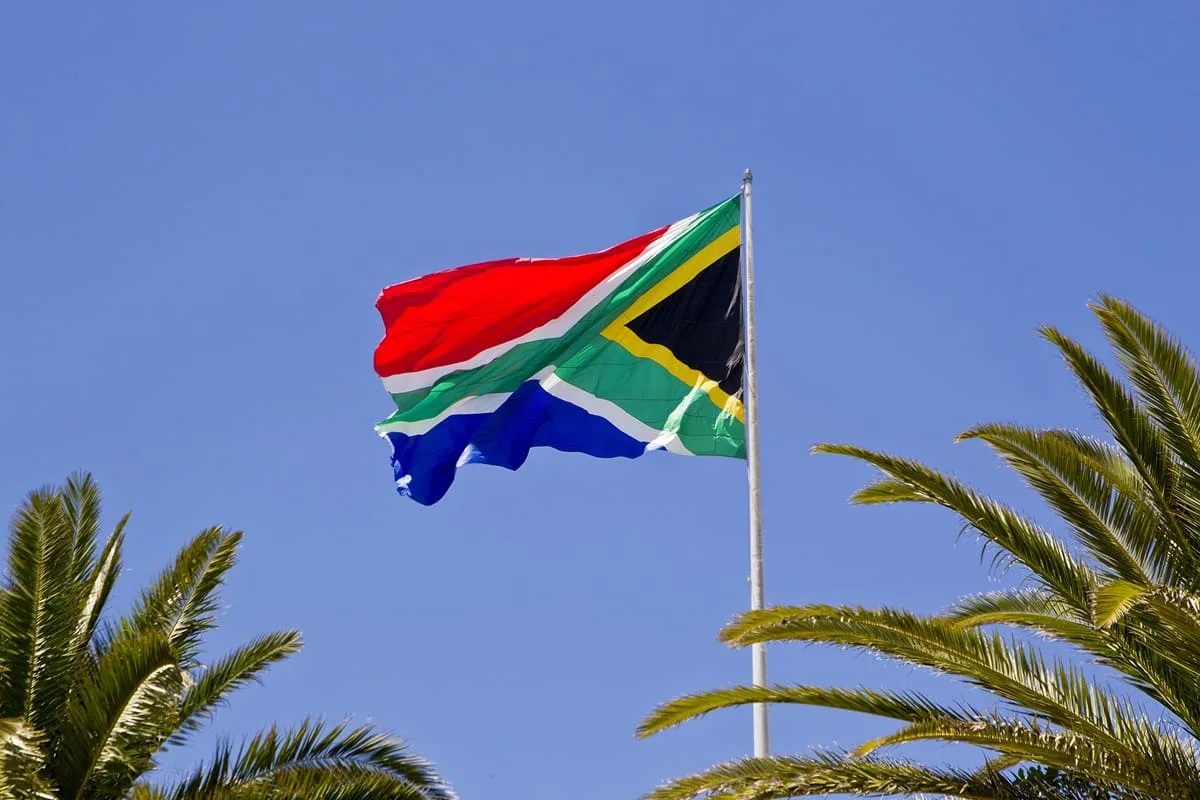
South Africa: What Remains of the Miracle
In 1994, South Africa appeared to accomplish the improbable. After decades of apartheid, political violence, international sanctions and confrontations that many feared would culminate in civil war, the country held its first democratic elections under universal suffrage. Nelson
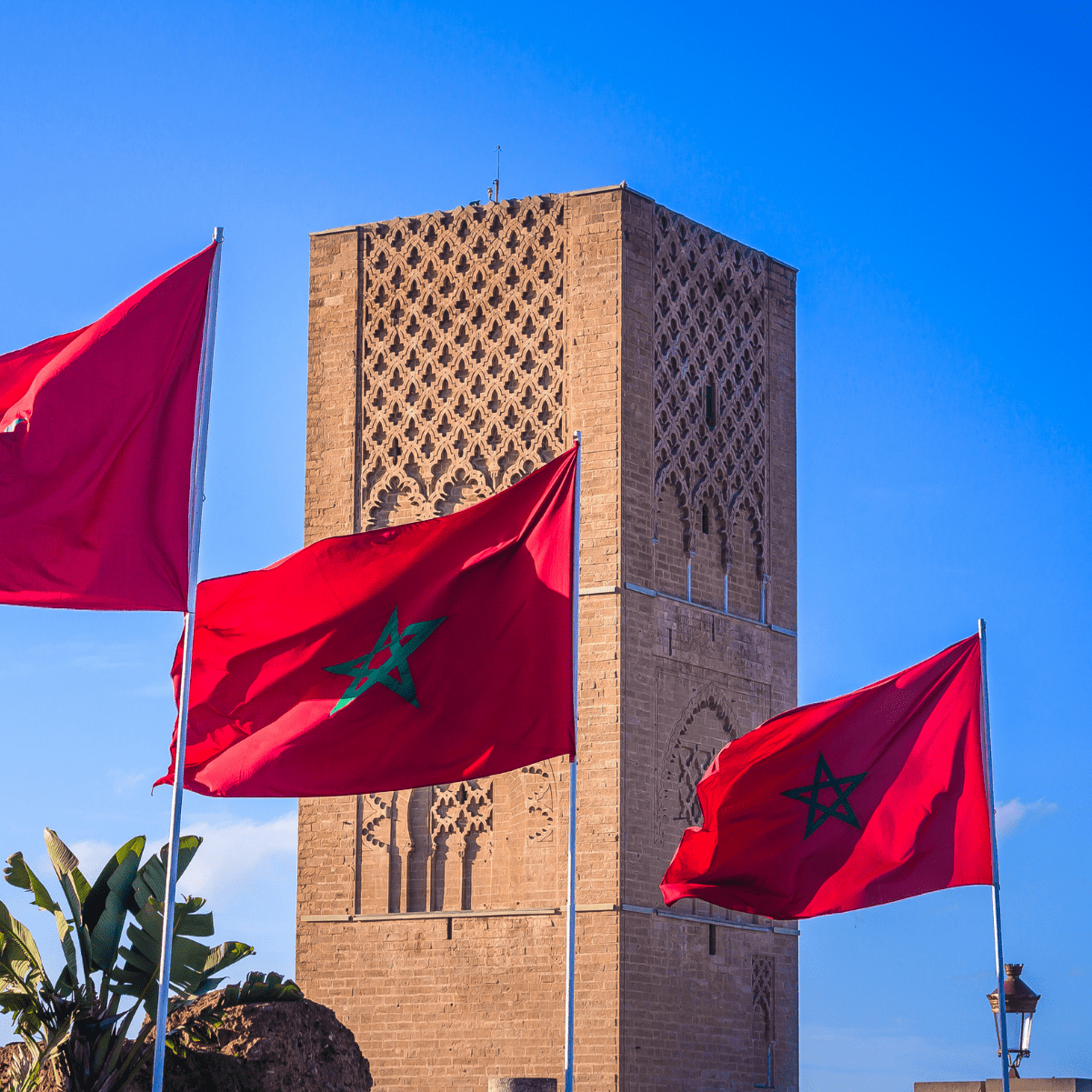
The Moroccan Paradox: A Country Moving Forward, a Society Still Waiting
Morocco is building ports, highways, railway lines, energy infrastructure and industrial zones. It manufactures automobiles and aerospace components, exports processed phosphates, attracts international investment and is becoming increasingly integrated into European and global v
The Faces of Authoritarianism: When Ideologies Converge Toward the Concentration of Power
Authoritarianism has many faces. It can invoke revolution or tradition, the nation or social class, religion or the military, order or the radical transformation of society. It can emerge from a coup, a civil war, or a revolution, but it can also advance within democratic institu

The High North: As the Boundaries Begin to Melt
Arctic routes, resources and strategic rivalry at the top of the world On the flat maps that have long shaped our perception of the world, the Arctic appears to belong to its outer margins. Greenland is pushed toward the top, Siberia and Alaska seem far apart, while Europe, Asia

The Material Footprint of Artificial Intelligence
Behind the apparent immateriality of artificial intelligence lies a vast industrial infrastructure. Semiconductors, data centers, power grids, cooling systems, copper, water, concrete and global supply chains form the physical foundation of a technology often presented as purely
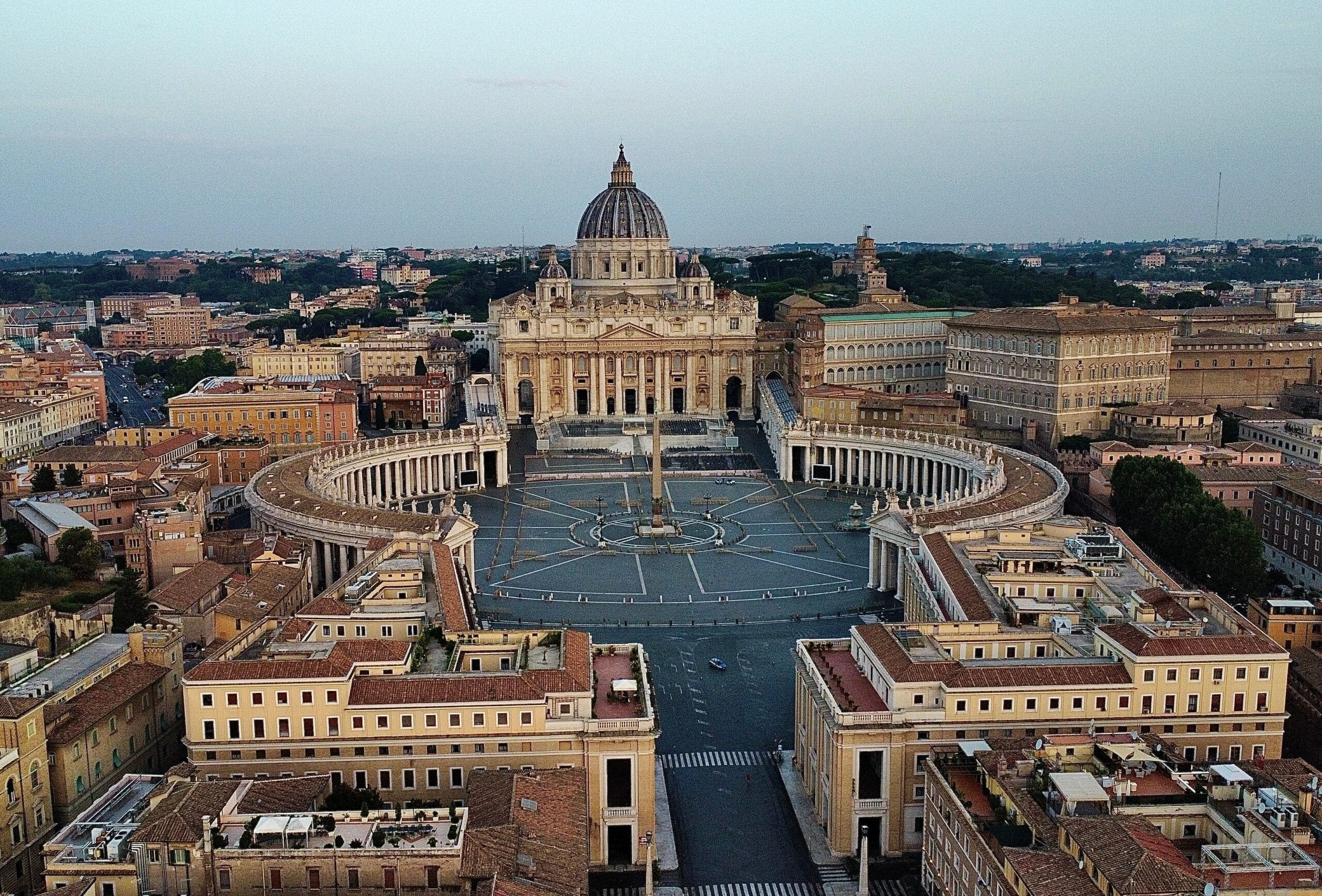
The Vatican: Anatomy of a Power Without Territory
The world’s smallest state possesses no significant natural resources, no industrial base, and no conventional military capable of defending its territory. Yet from a few dozen hectares enclosed within the heart of Rome, the Holy See maintains diplomatic relations with 184 states

Bonnie & Clyde: Behind the Myth, America in the Great Depression
Introduction — Two Criminals Who Became an American Legend They died young, together, on a road in Louisiana. Bonnie Parker was 23. Clyde Barrow was 25. On May 23, 1934, six lawmen were waiting for them near Gibsland, in Bienville Parish. When the Ford V8 driven by Clyde slowed d

Taiwan: At the Heart of the Strategic Balance of the 21st Century
Between Democratic Governance, Technological Leadership, and Global Power Competition

The Steel Industry: From Ancient Forges to a New Age of Strategic Power
Part I — Steel, the Invisible Foundation of Modern Power It is everywhere, yet rarely attracts attention. Behind the skyscrapers that shape urban skylines, the bridges that connect territories, the railways that structure trade, the power plants that supply economies, and the shi

India: The Rise of a Civilizational Power in a Changing World Order
Part I — A Civilization Older Than the Modern State India cannot be understood solely through the prism of the modern state established in 1947. Its contemporary influence is rooted in a civilization that stretches back several millennia, making it one of the oldest continuous ci

The Economics of Sport: When Competition Becomes a Global Industry
Part I — From the Playing Field to a Global Industry For much of modern history, sport was primarily regarded as a form of entertainment, a vehicle for social cohesion, and an expression of cultural identity. Today, however, it has evolved into one of the world's most dynamic eco

Governing Through Guilt: When Collective Failures Become Individual Moral Obligations
When Collective Failures Become Individual Moral Obligations Democracies do not function through legal coercion alone. They also rest on shared norms, civic duties and a particular understanding of the common good. Paying taxes, respecting collective rules, contributing to nation