

Section
Defense & Security
Military affairs, national security, intelligence, cybersecurity, maritime security, defense industries and strategic issues.
18 published articles
Overview
The Defense & Security section covers military affairs, national security, intelligence, cybersecurity, maritime security, defense industries and strategic issues. It examines the doctrines, capabilities, institutions, alliances and technological changes shaping security policy.
Featured
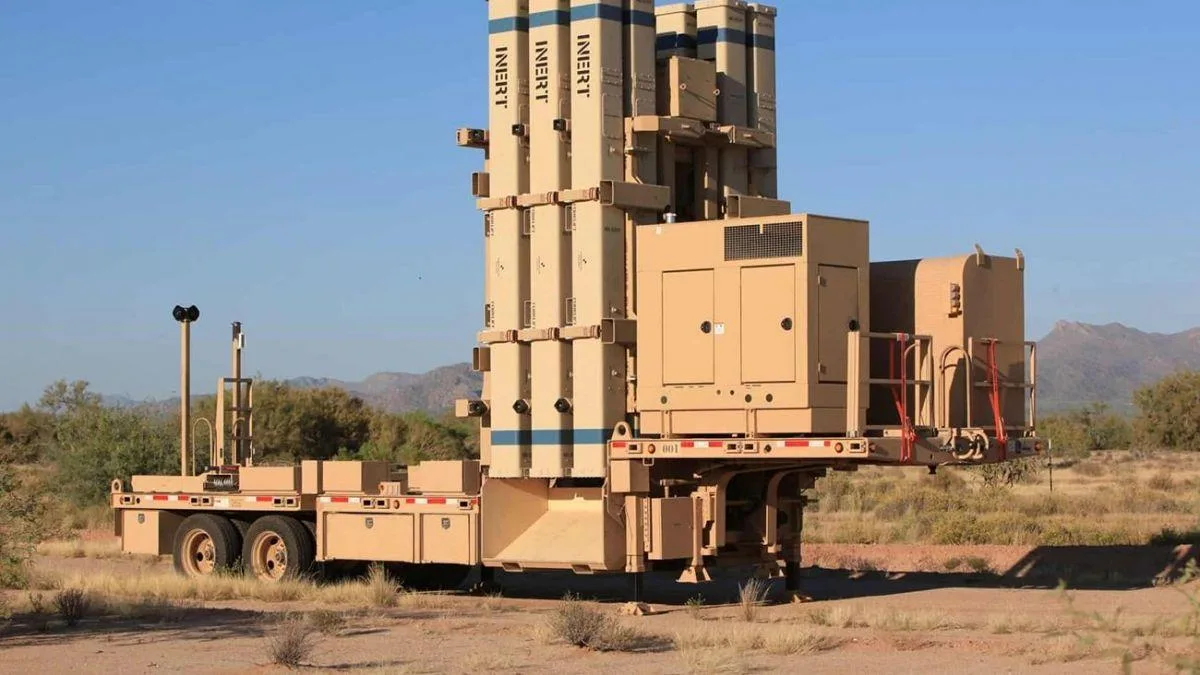
Morocco: Building a Missile Defense Shield
The prospect of acquiring the Israeli-American David’s Sling system reveals a profound shift in Morocco’s military strategy. Amid regional rivalry, technological diversification, and growing industrial ambitions, Rabat is seeking to transform a succession of arms purchases into a
AnalysisRecent publications
-
 Defense & Security
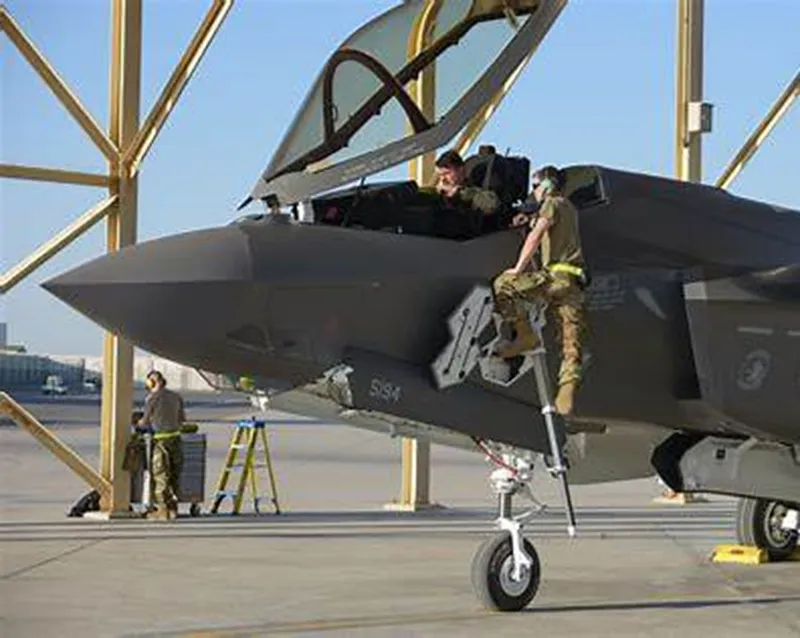
Washington Opens the F-35 to Saudi Arabia
For years, the boundary was relatively clear. The United States sold Gulf monarchies some of its most advanced military systems, but the F-35 remained in a separate category. In the Middle East, Israel was the only operator of the American stealth fighter.
-
 Defense & Security
Tungsten: Washington Takes a Stake in Mineral Security
The United States is no longer simply trying to buy critical minerals. By committing $450 million to Elmet Group while securing up to $2 billion in potential purchases for the national stockpile, Washington is building a tungsten supply chain in which the state finances supply, organizes sourcing and guarantees part of the demand.
-
 Defense & Security
Syria: Russia retains its Mediterranean foothold
Russia no longer holds the position in Syria that it enjoyed under Bashar al-Assad. But it has not left.
-
 Defense & Security
Beneath the Oceans, the Arteries of Digital Power
The digital economy favors aerial metaphors. Data circulates through the “cloud,” companies deploy “dematerialized” services, markets operate in real time, and communications appear to travel instantaneously through a borderless space. Yet this representation conceals a far more
-
 Defense & Security
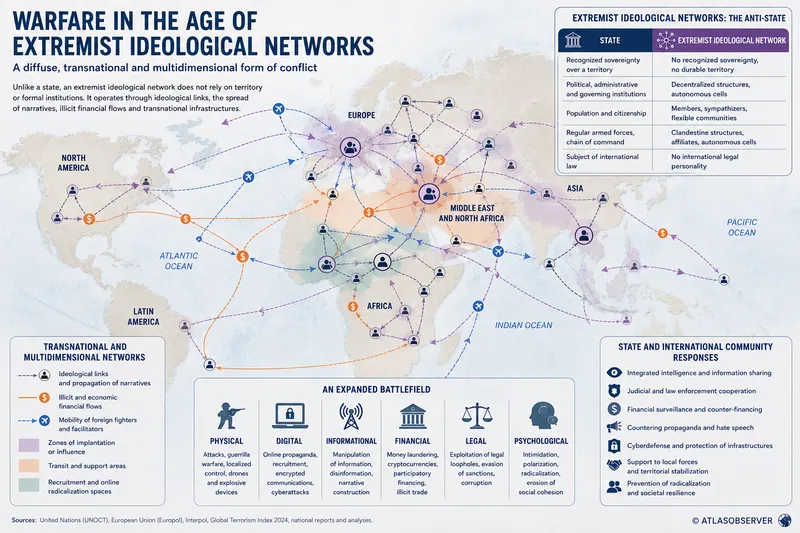
Warfare Against Extremist Networks
When the Adversary Is No Longer a State For centuries, warfare has been understood primarily as a confrontation between states. Military doctrines, international conventions, industrial capabilities and strategic alliances were developed around a central assumption: the adversary