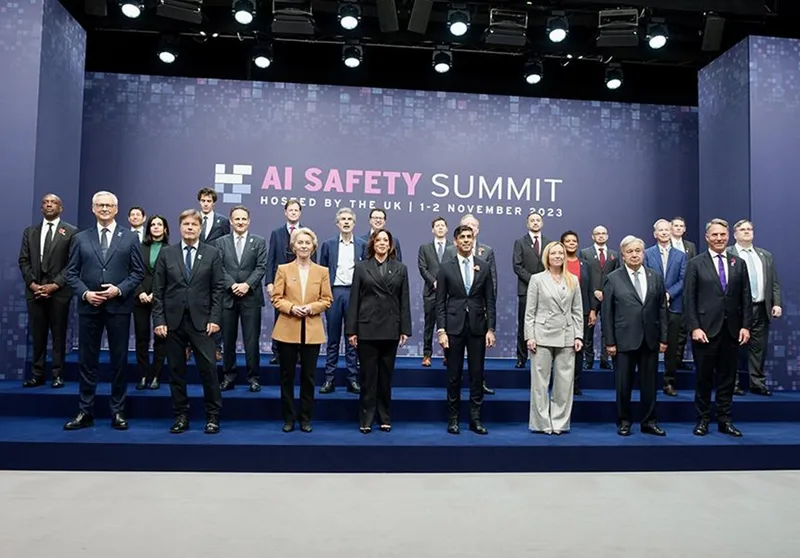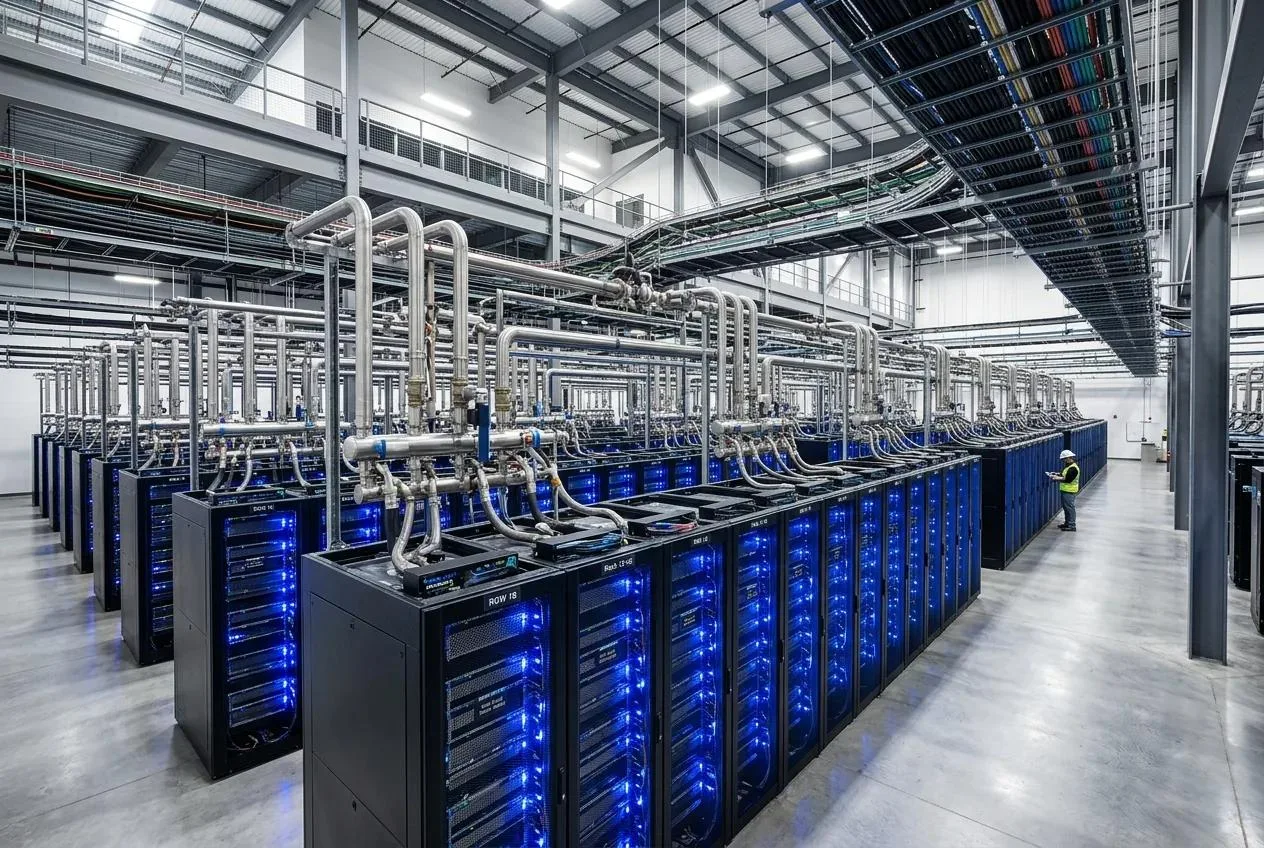
The European Bank for Reconstruction and Development's Transition Report, published on 17 November, starts from a difficulty that industrial-policy announcements often overlook: stronger global demand does not automatically produce new suppliers. Artificial intelligence and defence spending create markets, but economies seeking to enter them have unequal access to skills, capital and customers. Catching up increasingly requires the ability to fulfil demand, rather than simply gain access to it.
The EBRD stresses how persistent export specialisations can be and how difficult it is to move into complex products. Entrepreneurship forms another part of its assessment. This does not imply that emerging economies must remain importers. It suggests that new activities are more likely to succeed when they build on capabilities in related industries. [1] A manufacturer that already supplies electrical components faces a different starting point from an economy attempting to create a semiconductor industry, specialist financing and a relevant training system at the same time.
Productive capabilities rarely stand alone. A factory needs suppliers, technicians, quality controls and logistics that deliver reliably. Complex orders also require working capital before customers pay. When one of these elements is missing, the cost of entering the market rises throughout the supply chain. Imported machinery can be installed relatively quickly; learning to operate, maintain and improve it is a longer process.
Turning demand into domestic production
AI and defence nevertheless have different commercial structures. An economy can develop AI applications, services and integration skills without manufacturing processors. In defence, access to orders also depends on sovereign procurement decisions, certification and trusted relationships. Treating both industries as a single growth opportunity would conceal these different entry conditions. Their shared difficulty is the risk of financing specialised capacity before its utilisation is secure.
Public policy therefore needs to distinguish essential infrastructure from an ambition to manufacture an entire supply chain. Support can remove a shared obstacle, such as technical training, testing facilities or electricity connections. It can also compensate indefinitely for a project's lack of competitiveness. These choices have different fiscal consequences. The first can benefit several firms; the second becomes difficult to reverse once jobs and political commitments depend on continued subsidy.
Financing must cover more than construction. Businesses need to survive qualification periods, production adjustments and gaps between orders. Banks may hesitate to lend against specialised assets with limited resale value. A state guarantee can unlock investment, but it also transfers risk to taxpayers. Its effectiveness depends on measurable milestones and an explicit allocation of losses, rather than the strategic label attached to an industry.
For Morocco and other economies in the EBRD regions, the practical question is which activities can grow from the existing industrial base. Components, maintenance and systems integration may offer more credible entry points than an immediate attempt to reproduce an entire ecosystem. This is an analytical proposition, not an EBRD forecast for Morocco or a guarantee of success. It must be tested against local skills, identifiable buyers and input costs.
Progress will be visible in firms' ability to retain customers, improve productivity and take on more valuable tasks. Announced spending and installed equipment will not be sufficient evidence. Catch-up becomes durable when learning gradually reduces the need for support and helps finance the next generation of products. The industrial significance of the AI and defence expansion will depend on that conversion of demand into productive competence.
Source
[1] EBRD, Transition Report 2026–27, 17 November 2026. Mechanisms and implications beyond the explicitly attributed EBRD findings are Atlas Limits analysis.
Atlas Limits Research Desk
Atlas Limits’ editorial and analytical desk.