European gas storage levels cannot, on their own, predict the outcome of the winter. Lower reserves reduce the margin available during a disruption, but security also depends on imports, consumption and transport capacity. This combination distinguishes winter 2026–2027 from the 2022 crisis: Europe has more supply options while remaining exposed to the price required to secure them.
In its assessment published on 27 October, ACER reported that EU storage was 75% full on 21 October. Reserves had ended the previous winter at 28%, compared with 34% a year earlier. These are dated observations, not a measurement for 18 November. The agency also put gas demand around 20% below the level associated with the 2022 crisis. [1] The protection provided by a given quantity of stored gas changes with the consumption it needs to cover.
Storage supplements continuing flows rather than serving as a self-contained reservoir for an entire season. Its value depends on withdrawal rates and location relative to consumers. Local transport constraints or demand peaks can create shortages even when aggregate reserves appear adequate. Conversely, reliable imports can preserve stocks and reduce withdrawals during cold periods.
ENTSOG's assessment, presented on 8 October and reported by the European Commission, found that the system had sufficient flexibility to meet winter demand, including through higher LNG imports. It also stressed the importance of retaining reserves for late cold spells and the following refill season. [2] This evaluates the network's ability to respond under assessed conditions; it does not guarantee stable prices or the absence of individual disruptions.
Diversification carries a cost
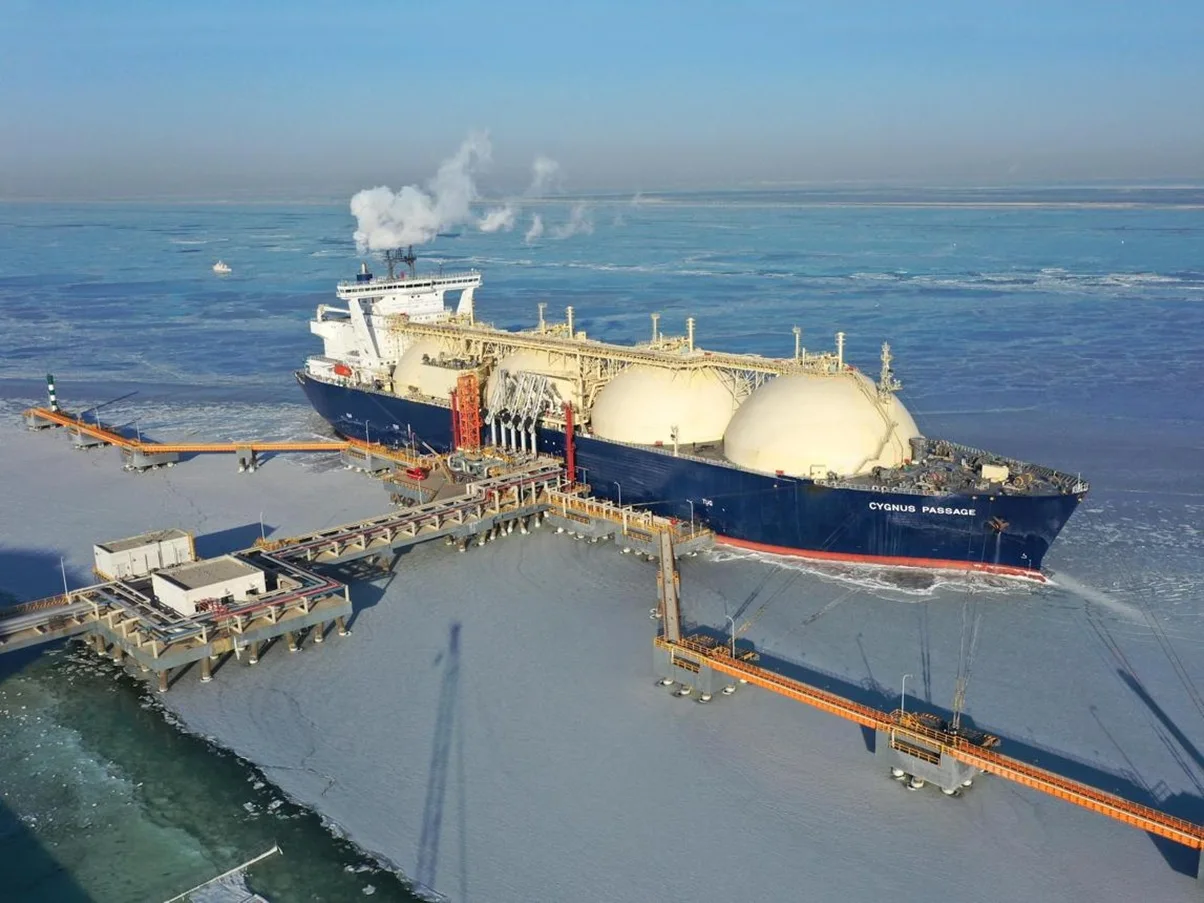
LNG provides access to different origins, but available cargoes still compete across markets. If an Asian buyer offers a higher price, flexible supplies can move towards that customer. Europe then has to pay more, withdraw additional gas from storage or reduce consumption. Diversification can reduce bilateral exposure without removing this commercial constraint.
ACER finds growing dependence on American LNG and reduced availability from Qatar amid Middle Eastern disruption. [1] Commercial suppliers should nevertheless be distinguished from the US government. Political alignment does not automatically determine cargo prices or destinations. Contracts, available facilities and companies' decisions continue to organise physical flows.
The result can be a cost crisis without a general physical shortage. An industrial company may be able to buy gas but choose to stop production when sales no longer cover expenses. The resulting demand reduction helps balance the gas system while potentially representing lost economic activity. It would therefore be misleading to describe every decline in consumption as greater efficiency, or every winter without widespread cuts as economically harmless.
Short-term decisions also affect the next season. Drawing down reserves quickly reduces immediate purchases but can increase spring refilling requirements. Buying more during expensive periods preserves storage at a higher current cost. Security needs to be assessed across seasons and through local constraints, beyond the EU-wide filling rate.
A lasting response combines diversified imports with lower avoidable demand through efficiency, less gas-dependent heating and networks able to accommodate other sources of supply. These investments require their own cost and timing assessment. For this winter, the decisive indicators will be storage withdrawals, LNG arrivals, temperatures and the effect of prices on industry. The objective is to preserve both physical continuity and the economic ability to use the energy available.
Sources
[1] ACER, EU gas storage is 75% filled, 27 October 2026.
[2] European Commission, EU gas system prepared for the winter despite lower storage levels, 8 October 2026. Reported observations are distinguished from Atlas Limits' analysis of mechanisms and prospects.
Atlas Limits Research Desk
Atlas Limits’ editorial and analytical desk.