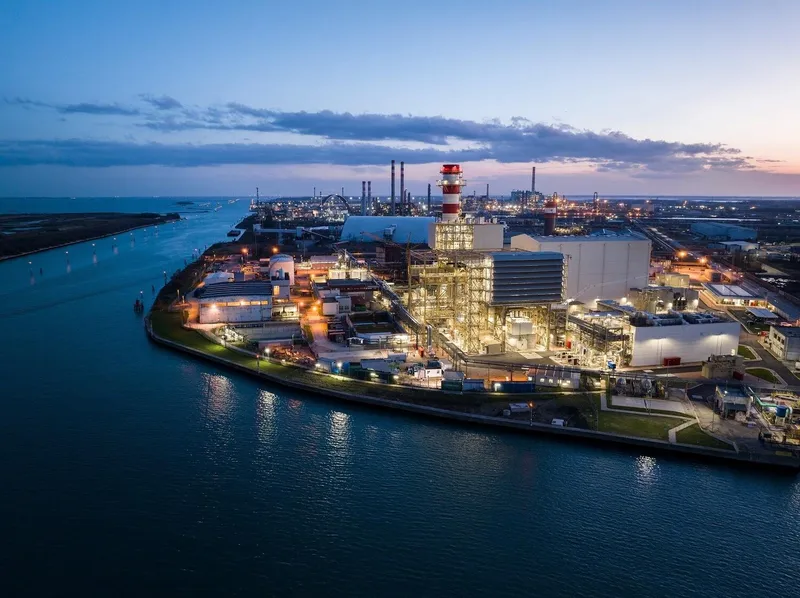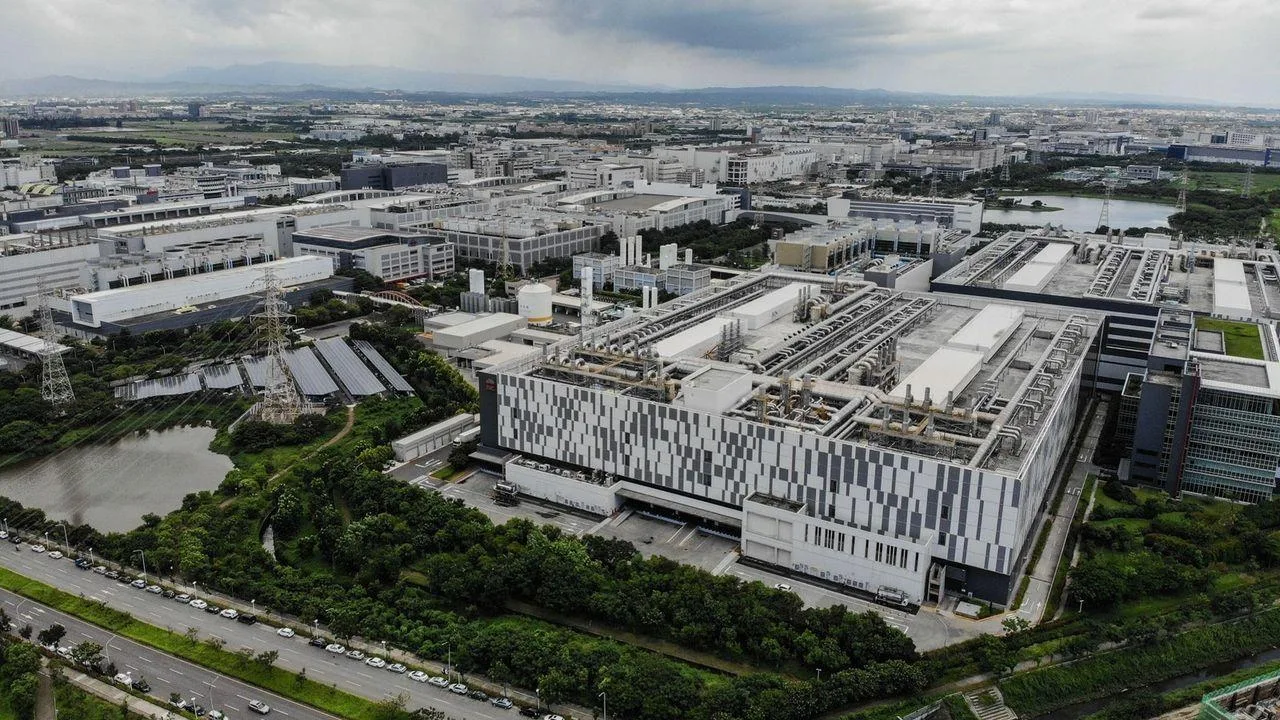
A capability acquires strategic value only if it can be used when needed and sustained for long enough. That distinction can disappear when debates compare spending commitments, installed equipment or prototype performance. Recent developments in digital infrastructure, space transport and critical networks instead show how much depends on the organisation connecting those resources.
Artificial intelligence provides one point of observation. Developing a model and installing processors enable a new activity without determining its selling price, utilisation or replacement cost. The IMF's October 2026 Global Financial Stability Report highlights vulnerabilities associated with AI profitability expectations, leverage and concentrated exposures. [1] It does not establish that innovation lacks value. It explains why useful technology can coexist with fragile investments.
The mechanism lies in the gap between spending and use. Infrastructure is financed before its customer base is fully known. Idle capacity continues to absorb capital, while a delayed electricity connection can prevent billing for equipment already purchased. Waiting for commercial certainty can, conversely, lose customers who require capacity immediately. Investors therefore bear a timing risk that technical performance alone cannot resolve.
Space transport presents the same tension in a different form. On 14 November, SpaceX recovered a Starship upper stage returning from orbit, but did not recover the flight's Super Heavy booster. [2] Recovery enables inspection and potentially another mission. It does not yet establish refurbishment costs or the number of rotations a vehicle can achieve. For the capability to change the market durably, repetition must lower costs while maintaining reliability.
These activities have different constraints and risks. Both nevertheless require complementary capabilities: electricity and customers for computing; ground facilities, maintenance and missions for launch. Improving one component can shift the bottleneck elsewhere. Purchasing more of the most visible equipment may then do little to remove the system's actual limitation.
Organisation is a productive capability
This brings less conspicuous work back into focus: coordinating schedules, identifying dependencies, training teams and assigning responsibility. A company can own advanced equipment without being able to diagnose faults quickly. A government can fund infrastructure without arranging its operation. In each case, resources exist while the expected service remains uncertain.
The US ground stop on 13 November illustrates that distinction. The Department of Transportation described telecommunications disruption and, in its 15 November update, investigations into routers and a maintenance operation. Precise causes remained under investigation. [3] The episode does not establish a general lack of technological capability. It shows how work on part of a network can require precautions across a much wider activity.
Resilience therefore requires understanding common causes of failure. Two devices do not provide independent protection if they share a critical power supply or service. Two suppliers may similarly rely on the same upstream infrastructure. Diversifying contracts can leave operational exposure unchanged. The relevant test is what remains available when a specific dependency fails.
This also changes the assessment of sovereignty. Domestic production can reduce one exposure while creating requirements for machinery, software or materials. Location does not automatically confer autonomy. It needs to be measured through the ability to continue operating, modify a solution and secure replacements within a mission's timetable. The whole delivery chain is the appropriate unit of analysis.
ASEAN gives the argument an institutional dimension. Its Indo-Pacific framework places centrality and inclusive cooperation at the heart of its approach. [4] Convening actors creates an opportunity to coordinate without merging their interests. Members' combined commercial weight becomes collective influence only when they can reconcile preferences and make commitments credible. As in a productive organisation, holding resources differs from mobilising them together.
These examples should not be turned into a claim of universal fragility. Interdependent systems can perform well precisely because they share expertise and infrastructure. Eliminating every dependency would be costly and could remove useful economies of scale. The practical choice concerns which dependencies to accept, insure or replace, according to the likelihood and consequences of interruption.
Making that choice requires recognising the price of safety margins. Stocks, backup capacity and maintenance teams can appear underused in normal conditions. Their value emerges when they prevent stoppages or speed recovery. Resilience nevertheless cannot justify every expense: a reserve poorly matched to the scenario can cost money without providing protection. Assumptions need to be stated and arrangements tested.
Making outcomes assessable
A policy or investment should consequently be evaluated through effective availability, utilisation, full cost, resistance to interruption and adaptability. Committed spending describes an effort; services delivered describe a result. Procurement, skills and contract quality determine much of the gap between them.
Decision-makers need milestones that permit course correction: an available connection rather than announced power, a reflown vehicle rather than an isolated recovery, a tested fallback procedure rather than another piece of equipment. These measures do not replace political objectives. They prevent the importance of an objective from making its implementation impossible to question.
International competition will continue to mobilise capital, technology and physical resources. Accumulating them remains necessary in many fields. It becomes more effective when institutions and companies identify what actually limits their use, finance useful complementary capabilities and stop spending that does not deliver the expected service. Durable advantage lies with systems able to learn from results and reorganise before their constraints cause a major interruption.
Sources
[1] IMF, Global Financial Stability Report, October 2026.
[2] Aerospace America, SpaceX achieves first Starship tower catch, 14 November 2026.
[3] US Department of Transportation, investigation update of 15 November 2026.
[4] ASEAN, ASEAN Outlook on the Indo-Pacific, 2019. Atlas Limits analytical essay updated to 18 November 2026; comparisons between cases are not findings of the cited institutions.
Atlas Limits Research Desk
Atlas Limits’ editorial and analytical desk.