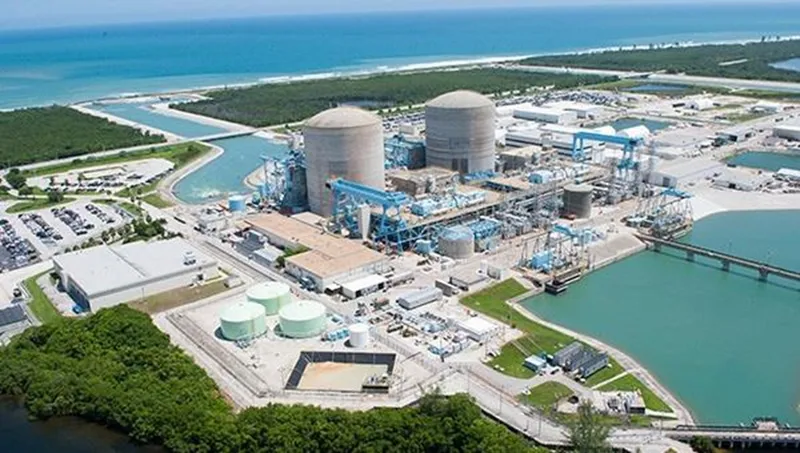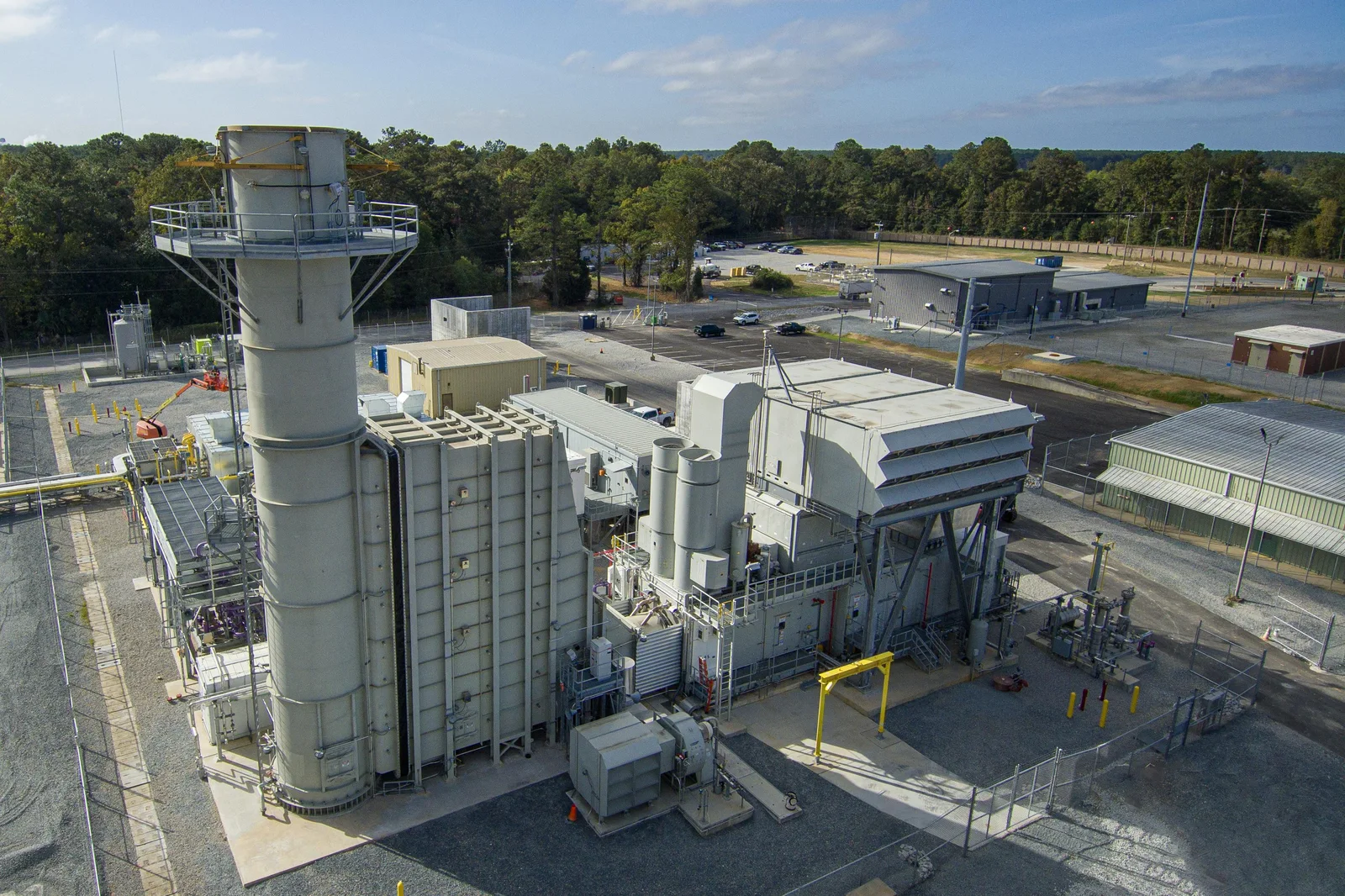
Venture Global is seeking to monetise something data-centre developers need before they can sell computing: available electricity. On 15 October 2026, the LNG producer announced framework agreements with GE Vernova and Baker Hughes covering up to sixteen 720-megawatt power units and associated electrical equipment. [1] This creates an industrial option; it does not represent sixteen installed plants or an equivalent number of financed computing projects.
The SEC filing confirms the agreements and says equipment can support LNG operations, expansions or adjacent data-centre development. [2] Not all contemplated capacity should therefore be assigned to computing. Electricity generation capacity is also different from IT capacity: cooling, auxiliary equipment and safety margins must be supplied before determining usable server power.
The proposed model uses generation independent of the public grid. It can reduce a connection constraint without removing infrastructure requirements. The operator must arrange fuel supply, maintenance, redundancy and fallback procedures. A function previously provided through a collective system becomes partly the project's responsibility. Independence is valuable only in relation to the reliability and cost of that arrangement.
Timing can justify a premium for computing customers. Equipment ordered without available power ties up capital without sales. Earlier operation can increase total project revenue even if energy costs more per unit. That advantage can disappear if generation, permits or an anchor customer are delayed. The claimed timing benefit needs to be assessed across the entire delivery chain.
Framework agreements provide an option for staged expansion. In its October release, Venture Global says deployment depends on commercial commitments and later decisions. [1] Flexibility may avoid immediately investing in every contemplated unit. It does not guarantee final manufacturing availability or financing for individual sites. Firm orders and work underway will be more informative than a theoretical maximum.
Integration can also move commercial risk. Selling gas and providing long-term electrical infrastructure involve different counterparties and commitment periods. If computing demand weakens, the power plant remains an asset whose costs require coverage. Alternative uses and contractual payment provisions become decisive.
Environmental effects require separate assessment. Independence from the public grid does not imply an absence of emissions, land requirements or local impacts. Promoter commitments need to be tested against permits and technical specifications. A timetable advantage is not an environmental assessment.
Venture Global's diversification illustrates competition over the time between investment and delivered service. Success will be visible in contracts, orders, commissioning and margins after availability costs. Gas can serve the computing economy without every energy project finding a profitable computing customer.
Sources
[1] Venture Global, framework agreements announcement, 15 October 2026; company statements and projections.
[2] SEC, Venture Global Form 8-K on the agreements. Economic assessments are Atlas Limits analysis.
Atlas Limits Research Desk
Atlas Limits’ editorial and analytical desk.