

Region
Asia-Pacific
Economics, trade, technology, security and strategic balances across the Asia-Pacific region.
8 published articles
Overview
The Asia-Pacific has become one of the principal centres of gravity of the global economy. The region contains major industrial powers, essential value chains, leading technology hubs and several areas of strategic tension. This section examines economic transformation, trade policy, power rivalries, maritime dynamics, technological innovation and emerging regional architectures.
Featured
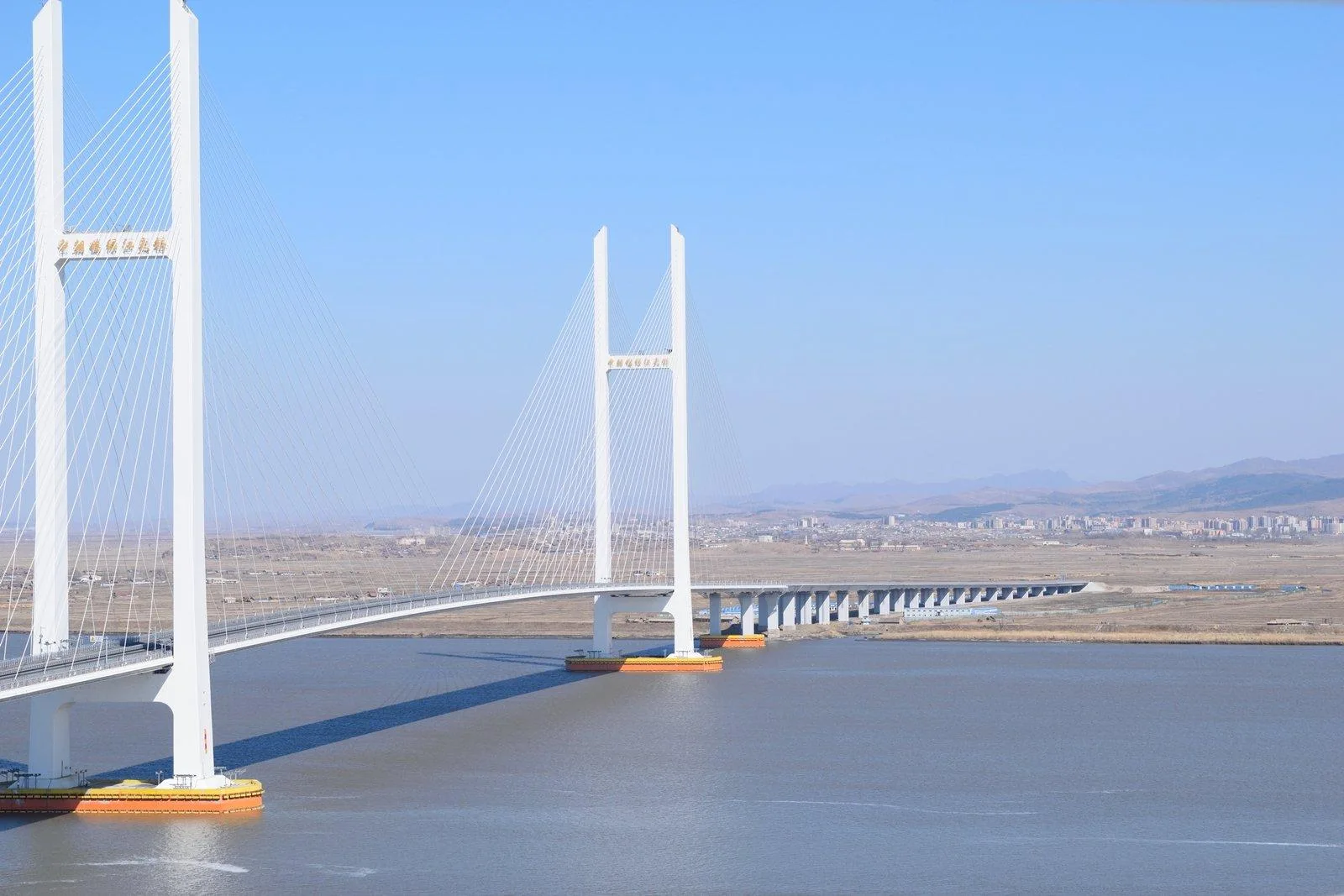
China–North Korea: Twelve Years of Waiting for a New Trade Corridor
In Dandong, on the banks of the Yalu River, a bridge stretching more than three kilometres had waited twelve years to fulfil its purpose. Built to connect China and North Korea and completed in 2014, it had become a symbol of a border where infrastructure could advance faster than political decisions.
AnalysisRecent publications
-
 Asia-Pacific
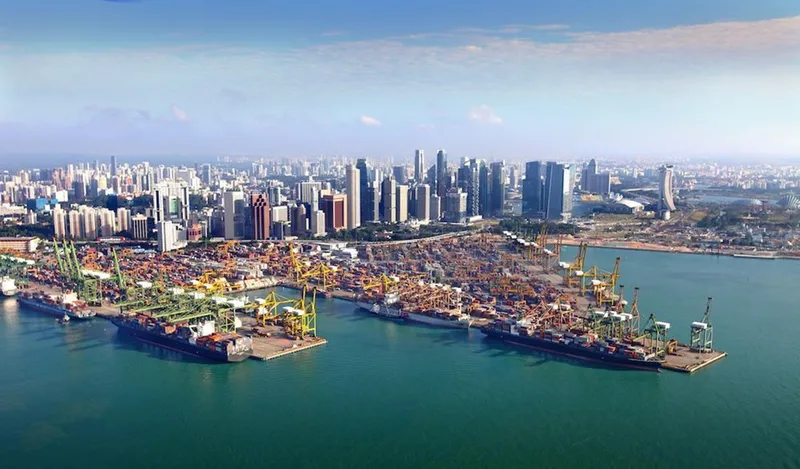
Singapore: The World as Its Hinterland
In Singapore, ships never really stop. They arrive, unload, load, refuel and leave again. Capital behaves much the same way.
-
 Asia-Pacific
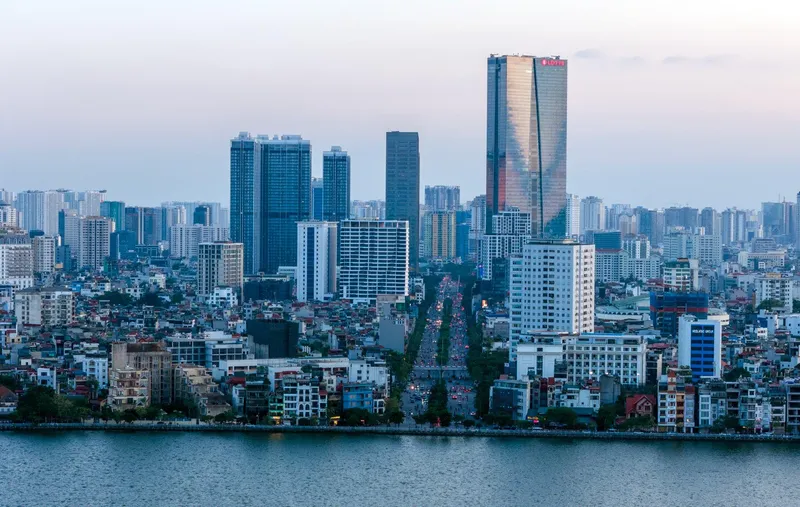
Vietnam: The Doctrine of Growth
Some countries seek power through arms, others through natural resources, finance or technology. Vietnam has followed a quieter path.
-
 Asia-Pacific
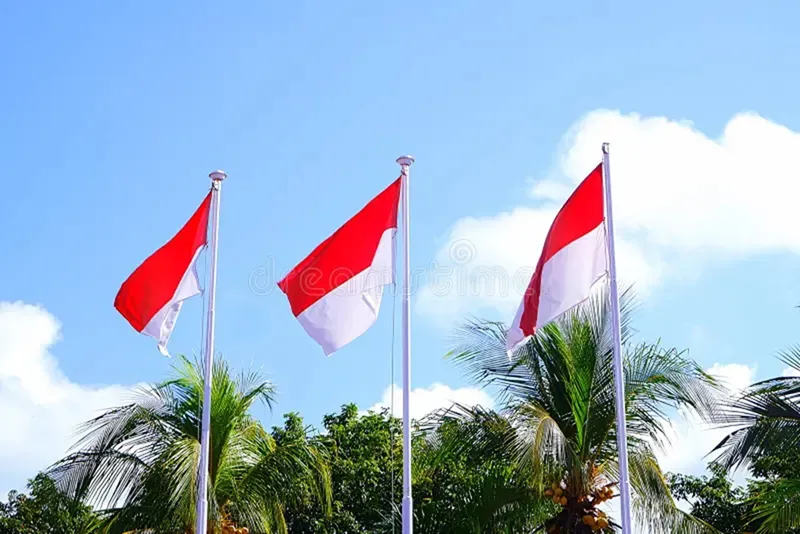
Indonesia: The Quiet Giant of the Indo-Pacific
With more than 285 million people, some 17,000 islands, Southeast Asia’s largest economy and a geographic position at the heart of the maritime routes connecting the Indian and Pacific Oceans, Indonesia possesses nearly all the attributes of a major power. Yet it remains relative
-
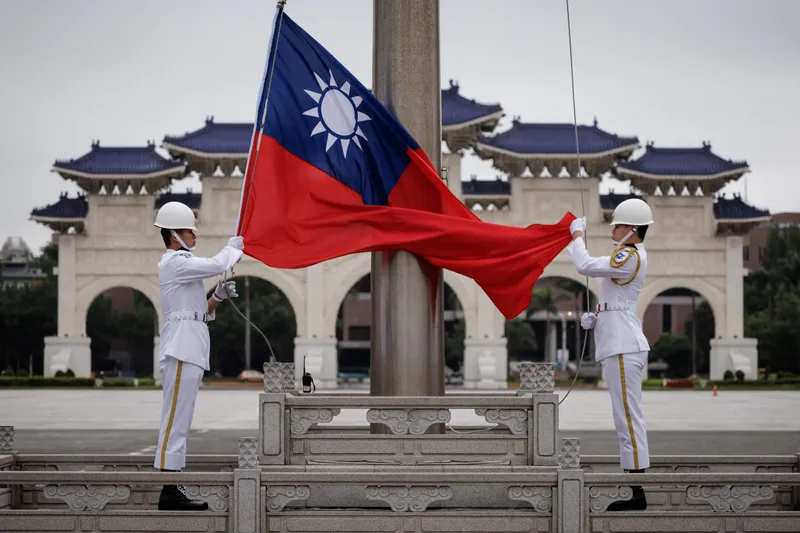 Asia-Pacific
Taiwan: At the Heart of the Strategic Balance of the 21st Century
Between Democratic Governance, Technological Leadership, and Global Power Competition
-
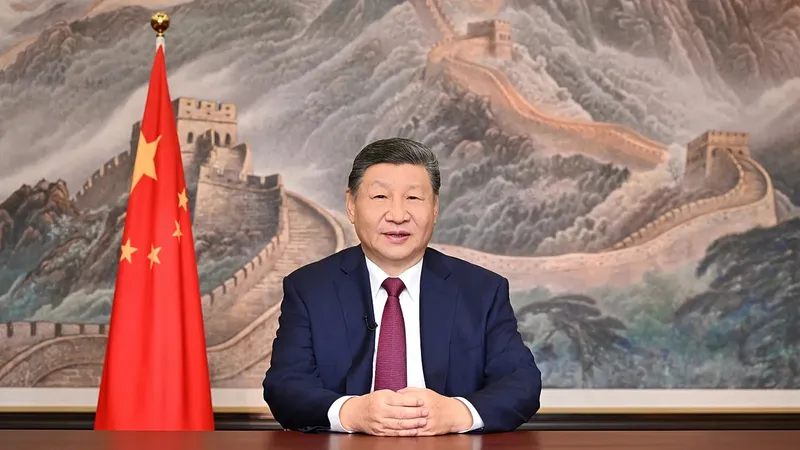 Asia-Pacific
Xi Jinping: The Man Redefining Chinese Power
Introduction Few Chinese leaders have shaped their era as profoundly as Xi Jinping. Since taking power in 2012, he has transformed China’s system of governance, recentralized authority around the Communist Party, accelerated military modernization, and committed the country to a
-
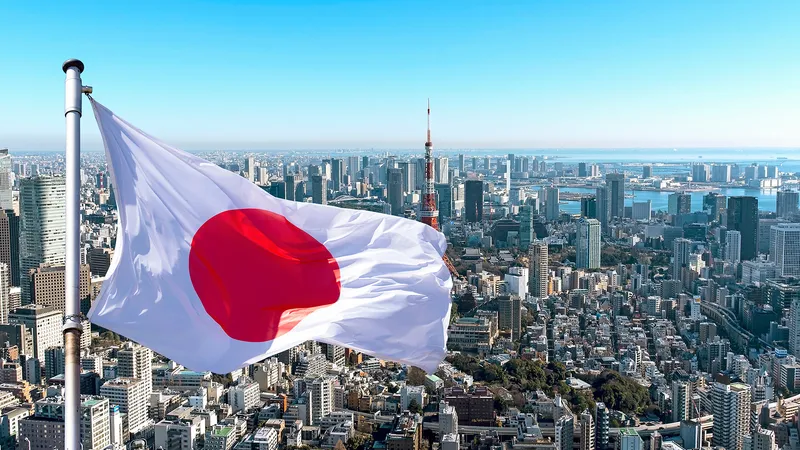 Asia-Pacific
Japan: The Resilience of a Power Confronting the Challenges of the Twenty-First Century
For more than seventy years, Japan has occupied a distinctive position in the global balance of power. The world’s third-largest economy for several decades, a laboratory of technological innovation, a major industrial power and an essential diplomatic actor in the Indo-Pacific,
-
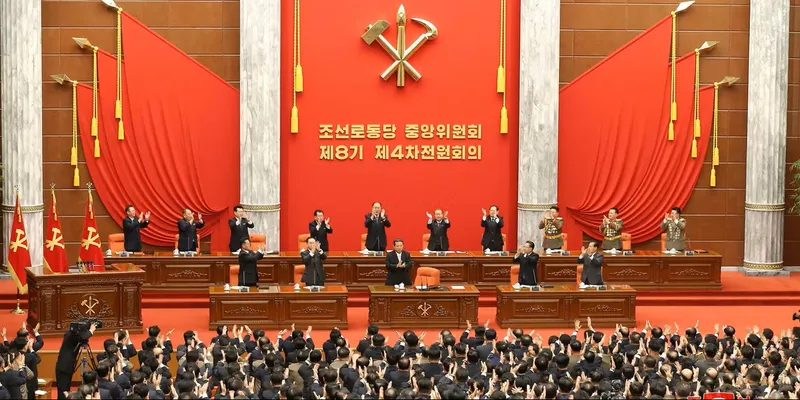 Asia-Pacific
North Korea: a non-conventional approach to the exercise of power
North Korea represents one of the most persistent paradoxes of the international system.