

Section
Economics
Macroeconomics, inflation, debt, central banks and economic policy.
31 published articles
Featured

Greece: Abu Dhabi Expands Its Economic Influence in Europe
With €12.75 billion in announced agreements and a further €15 billion investment ambition, the United Arab Emirates is strengthening its economic presence in Greece. Beyond the financial commitments lies a broader strategy: turning the Eastern Mediterranean into a platform for in
AnalysisRecent publications
-
 Economics
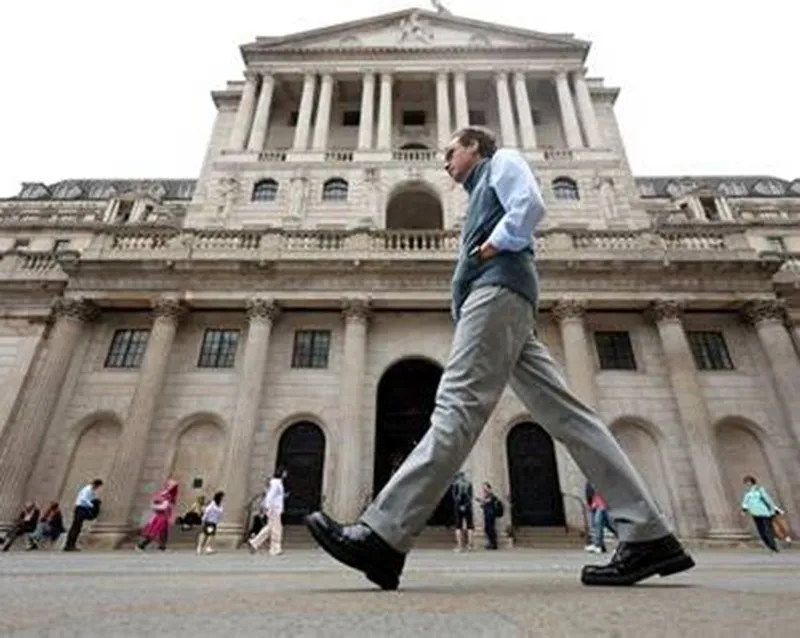
The Bank of England Rewrites the Exit from Quantitative Easing
For nearly four years, the Bank of England had treated the reduction of its balance sheet as a relatively straightforward process: allow some bonds to mature, sell others, and decide each year how quickly to continue.
-
 Economics
France: When the Exception Becomes the Norm
For several years, the French economy has moved from one crisis to another while giving the impression that it was better at resisting shocks than generating growth.
-
 Economics
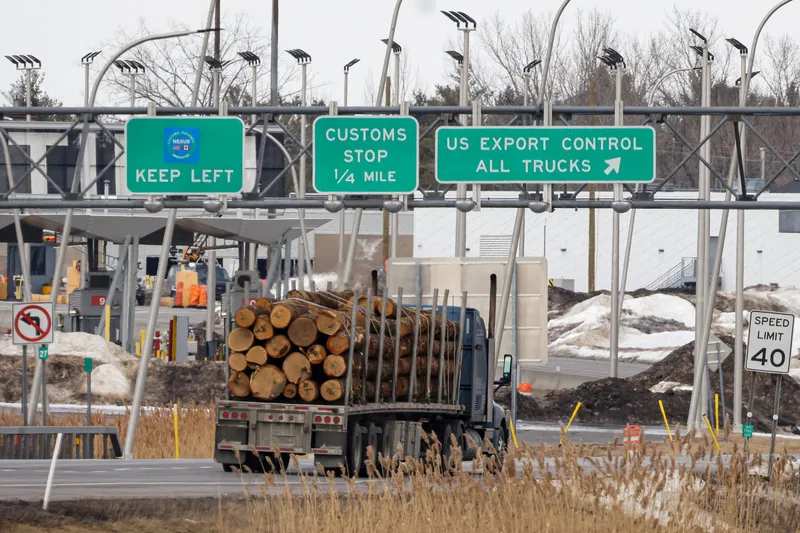
USA–Canada: The Commercial Border Is Closing
For decades, the border between the United States and Canada was less an economic divide than a seam.
-
 Economics
Digital Money: The New Architecture of Money
Money became digital long before the expression “digital currency” entered the vocabulary of central banks.
-
 Economics
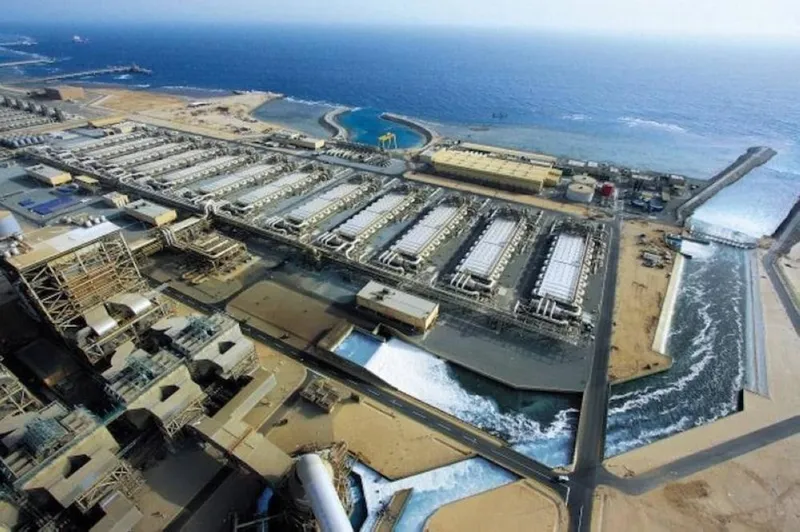
The Age of Organized Shortages
When scarcity becomes an instrument of power
-
 Economics
The Middle Class, from Morocco to Advanced Economies
For decades, the middle class represented more than an income category. It embodied a promise: that stable employment would gradually lead to a better standard of living, home ownership, savings, decent education for one's children and a reasonably secure retirement. That promise
-
 Economics
The Economics of Stability: What Social Peace Costs Nations
A country’s stability is rarely measured by the amount of social transfers recorded in its budget. It is more readily observed in the price of bread, the reliability of pension payments, access to healthcare, the possibility of finding employment, and the widely shared conviction
-
 Economics
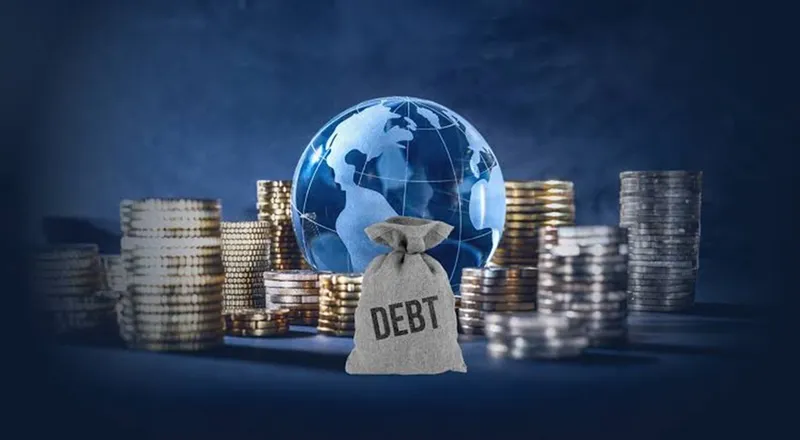
Debt: How Far Can We Go?
United States, China, Europe, Japan and emerging economies: behind the accumulation of trillions in debt lies a more difficult question than its sheer size. At what point has a state really borrowed too much? Global debt ceased to be an anomaly a long time ago. It has become an o
-
 Economics
Inflation: A World Moving at Different Speeds
Inflation has a peculiar characteristic: it is both one of the most closely measured economic phenomena in the world and one of those whose perception most stubbornly escapes statistics. National statistical institutes calculate indices. Central banks monitor monthly variations.
-
 Economics
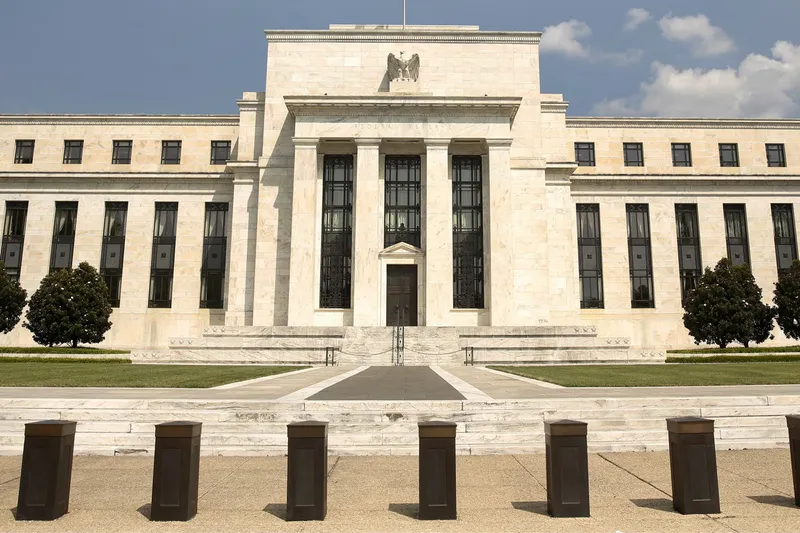
Central Banks: The Power Behind Money
They do not vote on budgets, generally do not levy taxes, and do not govern countries. Yet a handful of institutions wield enormous influence over the functioning of modern economies. By changing interest rates, creating or withdrawing liquidity, purchasing trillions in assets, o
-
 Economics
The BIS: the central bank of central banks?
In Basel, an institution largely unknown to the general public regularly brings together those responsible for the world’s major monetary systems. Yet the Bank for International Settlements sets no policy rate, does not lend to governments in crisis and does not command any centr
-
 Economics
The World Bank: Financing Development, Shaping States
The IMF intervenes when a state risks running out of financial oxygen. The World Bank acts on what that state may become ten, twenty or thirty years from now. Behind loans to build roads, modernize power grids, finance schools or reform public administrations stands one of the most influential institutions in the international economic order.