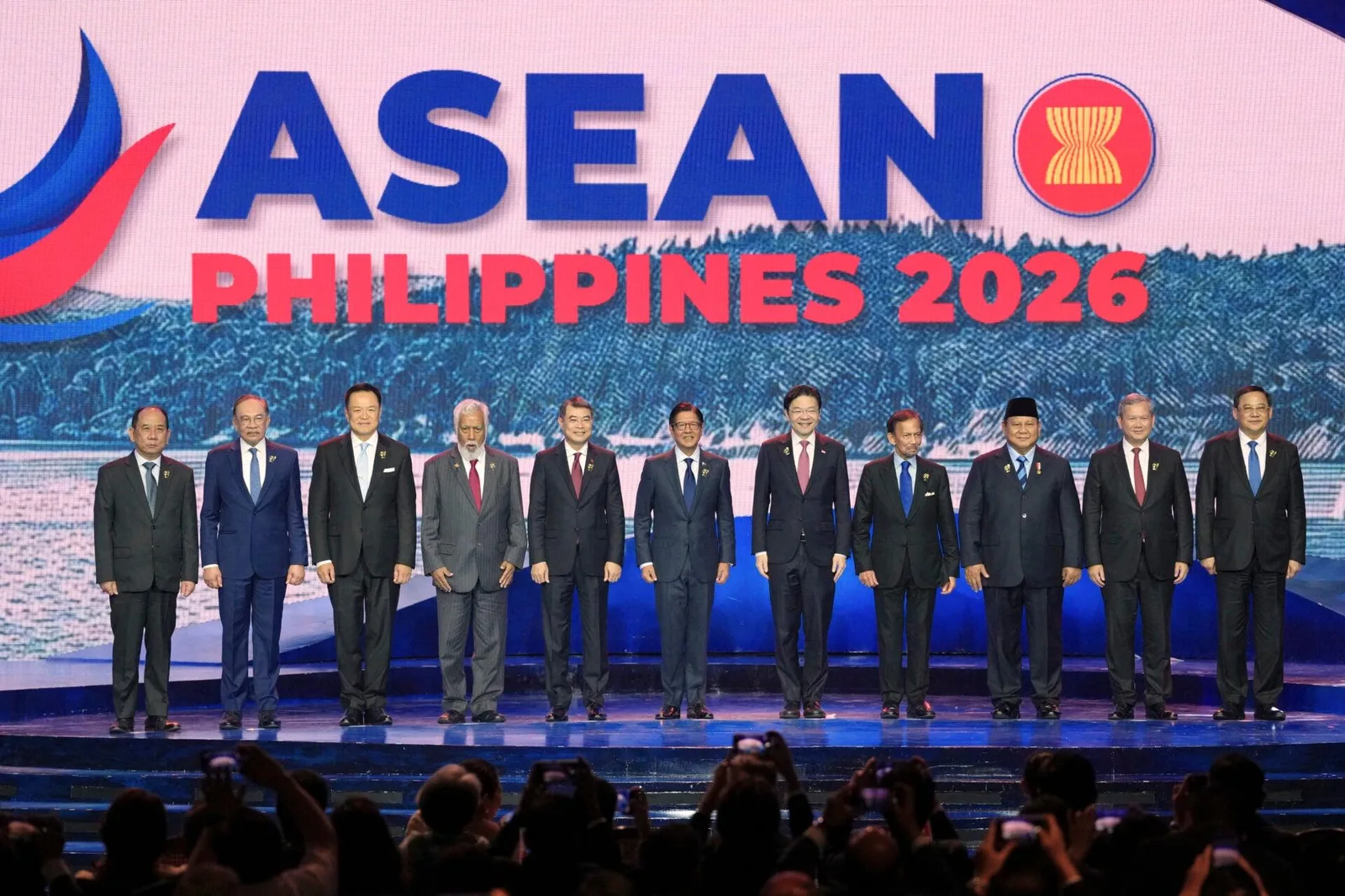
In Manila, ASEAN is trying to preserve a distinctive function: bringing together powers with different priorities and conceptions of regional security. The 49th summit, opened on 15 November 2026 under the Philippine chairship, continues that effort. [1] Hosting discussions is not the same as determining their outcome. The value of ASEAN centrality depends on what members can decide and implement together.
The ASEAN Outlook on the Indo-Pacific, adopted in 2019, puts centrality at the foundation of an open and inclusive approach to cooperation. [2] It seeks to maintain frameworks that do not require exclusive partnerships. It is neither a military alliance nor a transfer of national foreign policies to a common centre. This distinction explains both the arrangement's appeal to states with different interests and the limits of its response to crises.
Members approach Beijing and Washington from different positions. Exposure to maritime disputes, security partnerships, export markets and investment needs varies. A measure considered necessary to protect a maritime area can appear elsewhere as a threat to trade. Regional compromise must therefore reconcile different assessments rather than simply choose between two major powers.
This diversity can provide bargaining room if outside partners know they must offer attractive terms. It can also make it easier for them to negotiate separately with individual governments. ASEAN's task is to convert external interest into rules and projects that strengthen members' options. Energy, customs or digital cooperation can have more lasting effects on those options than a broad declaration.
Supply-chain reorganisation raises a similar question. Hosting a factory provides jobs and local orders without necessarily conferring control over technology or markets. If equipment, inputs and customers remain concentrated among external partners, new investment can shift a dependency rather than reduce it. Developing local suppliers and regional skills helps determine the investment's value to the host economy.
Consensus supports institutional continuity by preventing a majority from routinely imposing its preferences. Its cost becomes apparent when urgent action meets opposition from some members. Myanmar makes that tension particularly visible: the organisation seeks change while remaining grounded in members' sovereignty. In its reporting on 18 November, Associated Press said leaders had found insufficient progress in implementing the regional peace plan. [3] That assessment does not itself demonstrate that available instruments can deliver a better outcome.
ASEAN consequently needs to be evaluated at several levels. Maintaining dialogue can prevent a rupture without resolving a conflict. Technical agreements can improve trade without producing a common strategic policy. A coordinated position can impose diplomatic costs without providing a defence guarantee. Conflating these functions either overstates ASEAN's power or treats every absence of military unity as failure.
The most credible route to autonomy lies in practical options: connected infrastructure, compatible procedures and sufficiently diverse partnerships to preserve choice. Summits matter when they sustain that cooperation and track its delivery. Centrality will remain useful to the extent that it increases members' ability to act rather than simply providing a place to express their differences.
Sources
[1] Philippine presidency, opening remarks at the 49th summit, 15 November 2026.
[2] ASEAN, ASEAN Outlook on the Indo-Pacific, 2019.
[3] Associated Press, Myanmar's leader accuses Southeast Asian bloc of unfair treatment, 18 November 2026. This last development updates the original publication. Assessment of the mechanisms is Atlas Limits analysis.
Atlas Limits Research Desk
Atlas Limits’ editorial and analytical desk.