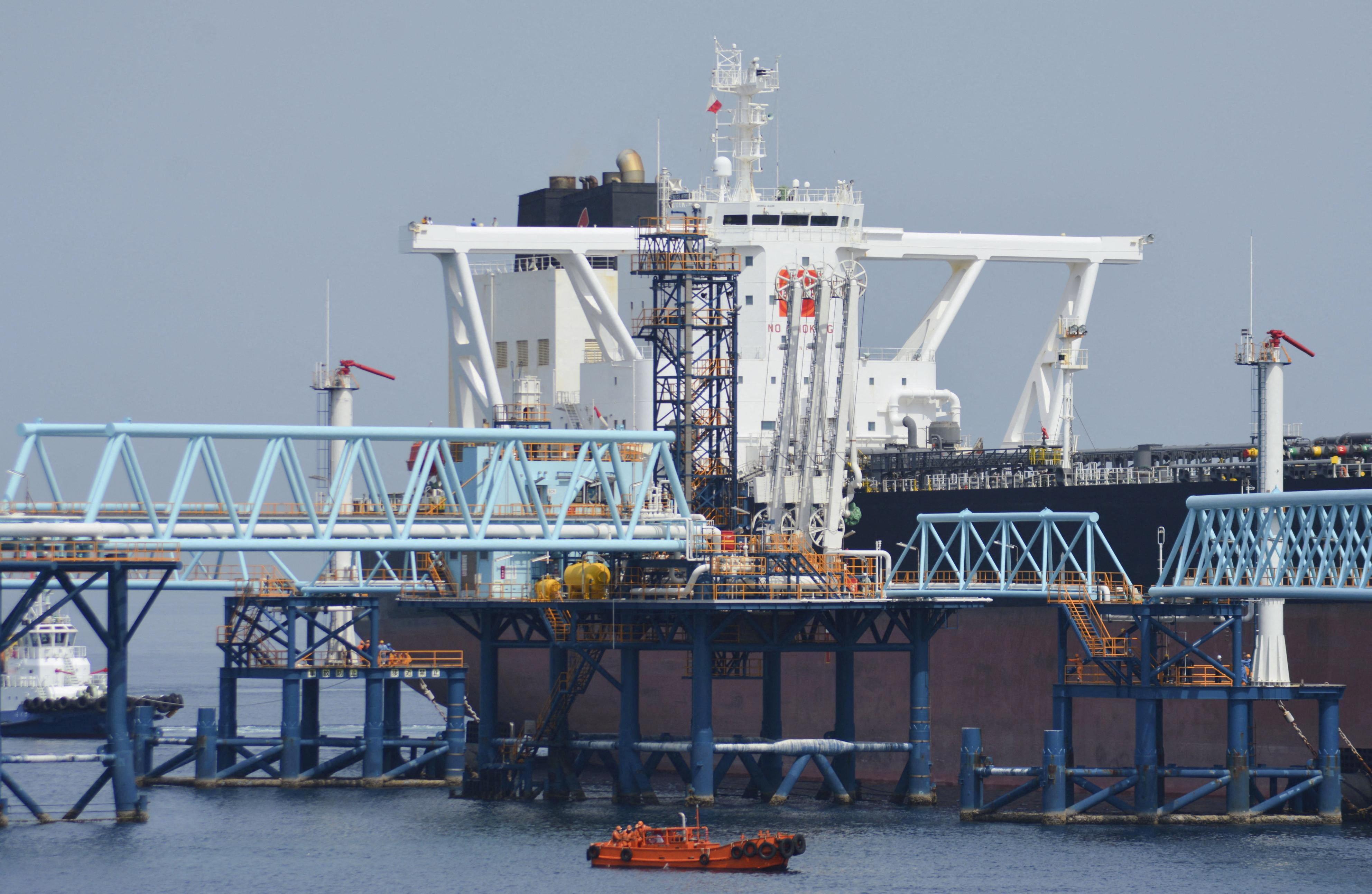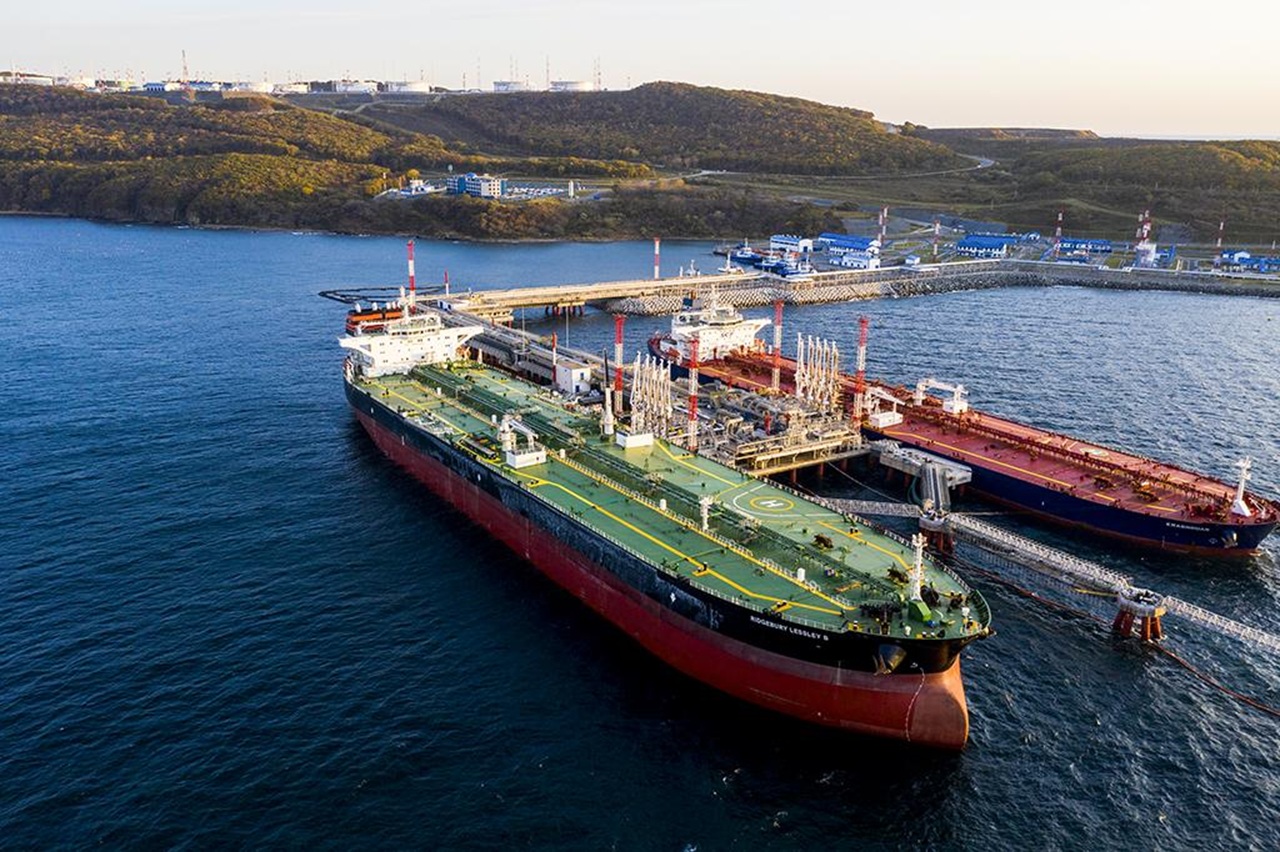
A barrel of Russian oil purchased by an Asian refinery could soon affect its country’s access to the American market. That is the strategic shift Congress is preparing: using Moscow’s customers’ trade relationships to put pressure on Russian energy revenues. The proposed measures extend beyond the cargo, its carrier and its financing. They could reach exporters whose business has nothing to do with oil.  On September 16, 2026, the House of Representatives passed the Lindsey O. Graham Sanctioning Russia and Iran Act of 2026 by 262 votes to 159, following Senate approval by 86 votes to 11. The bill now awaits Donald Trump’s signature. Among its provisions is authority to impose tariffs of up to 100% on the five largest importers of Russian oil and gas, subject to exceptions. Congressional passage does not itself activate those duties.
That distinction is essential to understanding the development. Congress has approved an instrument of economic pressure whose impact will still depend on enactment, implementation decisions and waivers. For the companies concerned, however, uncertainty can begin before the first customs duty is collected. A sufficiently credible threat enters procurement calculations, contract negotiations and investment decisions.
The logic is to connect two economically distinct transactions: buying energy from Russia and selling goods to the United States. Washington intends to make the cost of the latter depend on the continuation of the former. Savings on an oil bill could therefore be offset, or exceeded, by penalties affecting the purchasing country’s export markets.
The mechanism follows the logic of secondary sanctions while employing a particular lever: the American customs border. The targeted energy transaction may involve no American buyer and no delivery to the United States. Pressure would instead be exerted through a separate trade relationship over which Washington has direct control. Access to its market becomes a means of influencing transactions taking place elsewhere.
The congressional debate shows how politically sensitive the scope remains. One amendment proposed naming ten countries, including China, India and Türkiye. The House Rules Committee rejected the motion that would have allowed its consideration. It would therefore be inaccurate to present that list as a definitive roster of sanctioned countries. Proposals to remove secondary tariff authority or tighten waiver conditions also reveal disagreement over how much discretion the president should receive.
For major importing economies, the calculation would extend beyond the price of a barrel. A government could find itself weighing its refineries’ savings against the risks facing its manufacturing exporters. The beneficiaries of Russian energy supplies would not necessarily be the businesses exposed to American retaliation. The measure could thus bring the conflict into the domestic economic decisions of the countries concerned.
That is precisely what gives the threat its potential strength. By extending the consequences of an energy purchase to other sectors, Washington would seek to increase the number of stakeholders with an interest in changing that purchase. But this would also complicate negotiations. Targeted governments would have to consider energy security, diplomatic relationships and the political cost of making concessions under pressure.
For Moscow, the mechanism’s effectiveness would be measured by its impact on revenues actually received. Reduced purchases by some customers could force Russian sellers to accept deeper discounts or more expensive trading routes. That would not, by itself, guarantee an equivalent decline in export volumes: other buyers could step in, while intermediaries would seek to exploit differences between sanctions regimes.
Volumes and prices must also be distinguished. If American pressure removed enough oil from the market to push prices higher, that increase could offset some of Russia’s losses on the barrels it continued to sell. Conversely, pressure focused on margins, financing and terms of sale could reduce revenues without causing such an abrupt contraction in global supply. These are different trajectories, and a 100% tariff ceiling alone cannot determine which would prevail.
The instrument also carries a cost for the country using it. A tariff is paid by the importer when goods enter the American market. Its economic burden can then be shared among foreign suppliers, American businesses and consumers, depending on contracts, margins and the availability of substitutes. Threatening a major trading partner therefore does not mean transferring the entire bill to that partner.
Broad implementation could raise input costs, disrupt production chains and provoke retaliation. The question then becomes how much of that impact the United States is prepared to tolerate. A sanction loses some of its deterrent power if its targets believe Washington will retreat when faced with the domestic cost. A sanction imposed without regard for that cost can instead weaken the political coalition supporting it.
Presidential discretion therefore sits at the centre of the mechanism. It would allow pressure to be adjusted in response to the countries concerned and relief to be exchanged for commitments. It could also make the system less predictable. A company would have to assess more than the legal compliance of its transaction; it would also need to anticipate the course of negotiations between governments.
Two possible uses emerge. In the first, the executive would seek a sustained reduction in Russian energy purchases, using criteria clear enough to guide private-sector decisions. In the second, tariff authority would become a negotiable threat deployed in broader commercial and diplomatic discussions. The same provisions could produce very different outcomes depending on the consistency of their enforcement.
Congressional passage is therefore an important political step, but it does not yet demonstrate a transformation in energy flows. That will have to be assessed through actual purchases, the prices Russian producers receive, the exemptions granted and the first customs measures implemented.
The stakes nevertheless already extend beyond Russia. Washington is seeking to turn the strength of its domestic market into influence over other countries’ energy choices. The strategy’s success will depend less on the maximum tariff announced than on its ability to persuade buyers to change suppliers—and its willingness to bear the consequences.
Main sources
Associated Press, report on the House vote of September 16, 2026, cited for congressional voting results, the tariff ceiling and the bill’s transmission to the president.
House of Representatives Committee on Rules, legislative file for H.R. 5334, cited for proposed amendments and procedural decisions.
Atlas Limits Research Desk
Atlas Limits’ editorial and analytical desk.