Energy has long imposed its geography on the global economy. The major oil reserves of the Middle East, the gas-producing regions of Russia and North America, the maritime routes connecting producers to consuming markets, and the refining infrastructure that supports international trade formed the foundations of a system in which power depended heavily on access to fossil fuel resources. That system has not disappeared. It remains central to international economic and strategic balances. Yet another geography is increasingly taking shape alongside it, driven by electrification, industrial capabilities, critical minerals, electricity transmission networks and the concentration of technologies required for energy transformation.
The International Energy Agency’s (IEA) World Energy Outlook provides a framework for understanding the scale of this restructuring. The energy transition is not simply a matter of replacing one source of energy with another. It transforms productive infrastructure, changes the composition of demand, redirects investment and creates new forms of dependence. Countries endowed with abundant natural resources are not necessarily those capable of processing them into industrial products. Economies that manufacture advanced energy equipment do not always control the raw materials required for production. And countries capable of generating competitively priced electricity must still develop the networks, storage facilities and industrial markets necessary to convert that advantage into economic power.
This redistribution is unfolding against a backdrop of intensifying commercial rivalries, fragmented supply chains and the return of energy security to the forefront of government priorities. It reveals a fundamental reality: the world is not moving uniformly from one energy order to another. Several systems coexist, compete and, in some circumstances, reinforce one another. The new geography of energy is defined by this overlap.
Oil Retains Its Strategic Geography
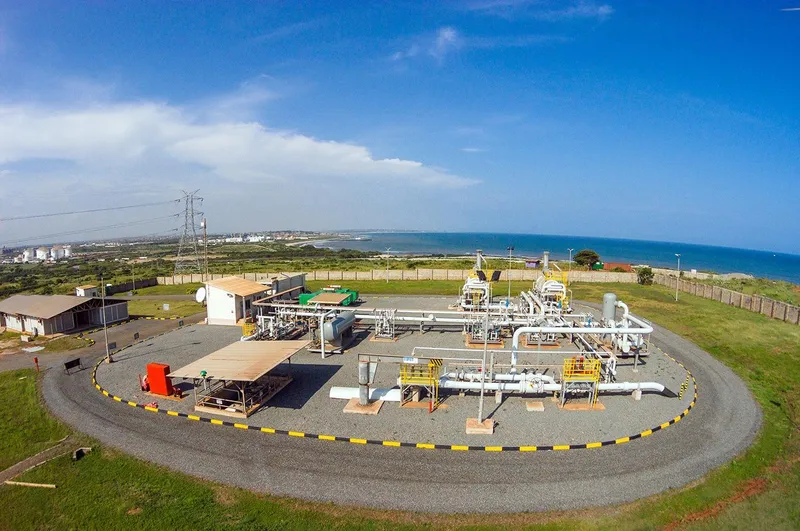
The expansion of renewable energy and the electrification of economic activity should not obscure the continuing importance of hydrocarbons. Oil remains indispensable to maritime and aviation transport, petrochemicals and numerous industrial processes. Natural gas continues to play a major role in electricity generation, heating and industrial production. Their relative importance varies across regions, but their contribution to the global economy remains sufficiently substantial for disruptions in supply to generate international consequences.
The Middle East retains considerable strategic importance in this configuration. The concentration of reserves, export capacity and proximity to major maritime routes give Gulf producers influence extending far beyond their demographic or industrial weight. The Strait of Hormuz represents one of the clearest expressions of this concentration. Disruptions affecting the passage can alter international prices, transport costs, insurance premiums and procurement decisions in economies thousands of kilometres away.
This dependence, however, is not determined exclusively by the location of oilfields. It also reflects the structure of international trade. Refineries are configured to process particular grades of crude oil, supply contracts are embedded in long-standing commercial relationships, and port and transport infrastructure cannot be reorganised overnight. An increase in production in one region therefore does not automatically compensate for an interruption elsewhere. The physical, commercial and industrial substitutability of energy supplies remains imperfect.
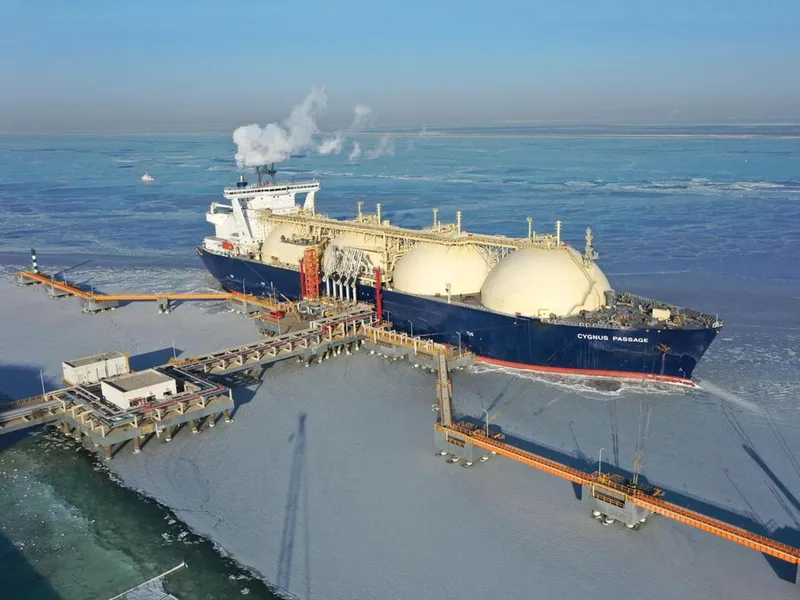
The expansion of American production has substantially altered this balance over the past two decades. Unconventional hydrocarbons have strengthened the United States’ energy position and increased its influence over international markets. Meanwhile, the development of liquefied natural gas has expanded the possibilities for arbitrage between suppliers and consuming markets. Liquefaction facilities, regasification terminals and LNG carriers have become essential instruments of energy flexibility.
Europe has experienced this transformation particularly acutely since the disruption of much of its gas relationship with Russia following the 2022 invasion of Ukraine. Supply diversification has reduced certain bilateral dependencies, but it has also increased exposure to international LNG prices and competition with Asian buyers. Energy security no longer depends solely on securing a stable supplier. It increasingly requires access to multiple sources, the financial capacity to develop infrastructure and the ability to absorb market volatility.
The energy transition therefore does not immediately render the geography of oil and gas obsolete. It gradually adds new dimensions to it. Producing countries seek to preserve their revenues, expand petrochemical industries and invest in electricity, hydrogen and low-carbon technologies. Importing economies, meanwhile, attempt to reduce their exposure to external shocks without undermining their competitiveness. This coexistence helps explain why investment in fossil fuel and electricity systems can continue simultaneously, despite their different long-term trajectories.
Electricity Is Shifting the Centre of Gravity of the Energy System
The most profound transformation lies in the growing importance of electricity. Once considered one sector among many, electricity is progressively becoming the common infrastructure underpinning an expanding range of economic activities. Electric vehicles, heat pumps, electrified industrial processes, data centres and digital systems are increasing its importance in final energy consumption.
This development changes the nature of energy security itself. In an economy dominated by fuels, the principal challenge is securing sufficient volumes of raw materials and their transportation routes. In a more electrified economy, governments must also guarantee continuity of supply, network stability, adequate generation capacity and the ability of the system to respond to fluctuations in demand.
Electricity has a decisive characteristic: generation and consumption must remain balanced continuously unless storage or other flexibility mechanisms are available. Additional generation capacity therefore does not, by itself, guarantee an equivalent improvement in security of supply. Its contribution depends on its location, production profile, available transmission capacity and the structure of demand.
This constraint explains the growing importance of electricity networks. Investment in solar, wind, nuclear or thermal generation must be accompanied by infrastructure capable of delivering electricity to industrial and urban centres. When networks become congested, new facilities may remain underutilised or wait years for connection. Expanding generation capacity alone is no longer sufficient to ensure an equivalent increase in electricity available to consumers.
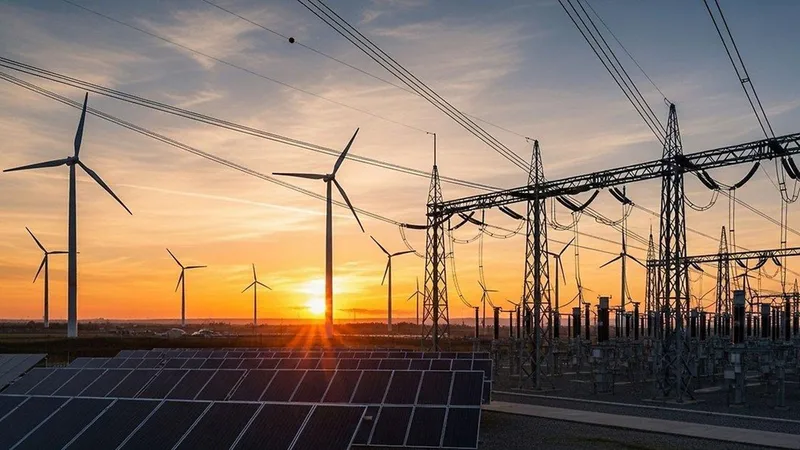
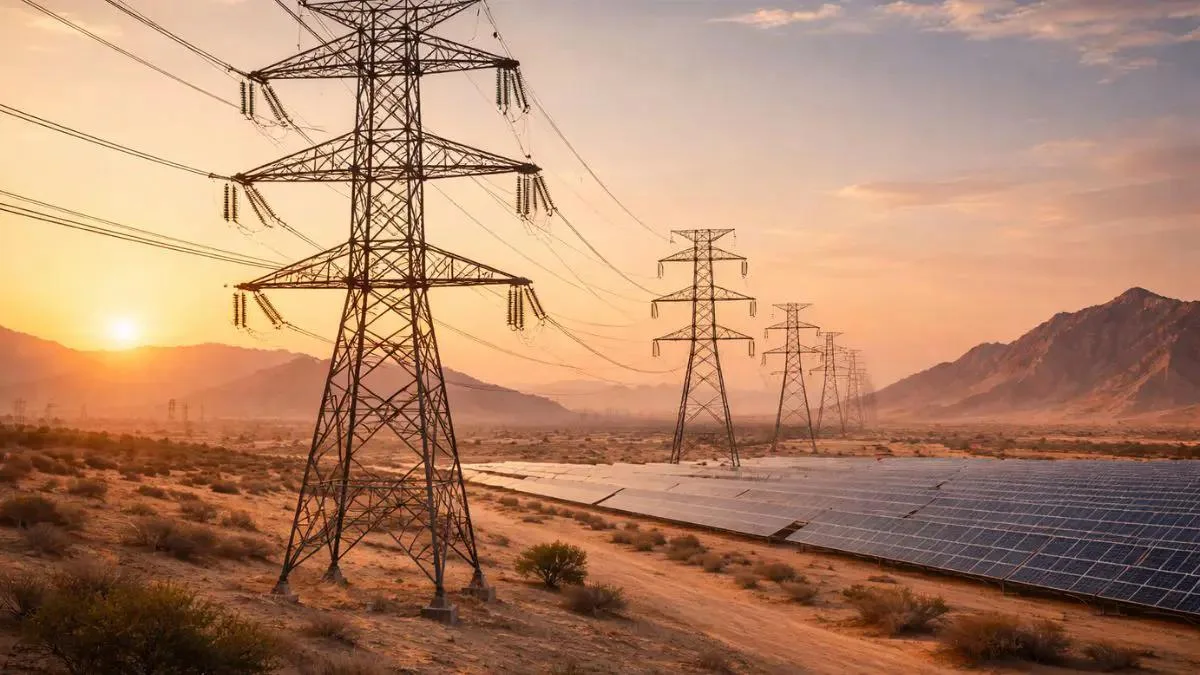
The problem is particularly significant in economies where renewable generation is expanding faster than transmission infrastructure. The best solar and wind resources are often located far from major consumption centres. Their development requires high-voltage lines, substations, control systems and, in some cases, international interconnections.
The new geography of energy is consequently being constructed around infrastructure that is less visible than major oilfields but equally consequential. Electricity networks are becoming strategic assets. Their development determines industrial location, territorial competitiveness and the ability of countries to benefit from their natural resources.
This transformation also introduces new vulnerabilities. Modern electricity systems depend on complex equipment, management software and digital communications. Their exposure to cyberattacks, extreme weather events and technical failures increases the importance of resilience. A highly electrified economy may reduce its dependence on imported fuels while becoming more sensitive to disruptions affecting its electricity infrastructure.
China Is Converting Industrial Dominance into Energy Power
One of the most significant changes in global energy geography is the rise of China's industrial position. Beijing does not possess all the fossil fuel resources required to meet domestic demand and remains exposed to oil and gas imports. Nevertheless, the country has established a dominant position in several value chains essential to electrification.
This strength rests on the accumulation of industrial capabilities in solar photovoltaics, batteries, electric vehicles and the refining of numerous strategic minerals. It reflects a combination of large-scale investment, industrial policy, economies of scale, technological development and supplier integration.
The distinction between extraction and processing is fundamental. A country may possess substantial deposits of lithium, cobalt, nickel or rare earth elements without controlling the industrial processes required to produce materials suitable for batteries, electric motors or electrical equipment. Strategic value is therefore not located exclusively underground. It is also concentrated in refining facilities, processing technologies, manufacturing capabilities and industrial expertise.
This organisation creates dependencies different from those associated with the oil economy. In the traditional system, fuel importers remain exposed to continuous flows of external supply. In an electrified system, some dependencies concern the initial manufacture of equipment, its replacement and the availability of components and materials required for maintenance. Risks do not disappear, but their timing and mechanisms change.
China's industrial concentration simultaneously accelerates the global transition and creates vulnerabilities. Economies of scale have contributed to substantial reductions in the cost of several technologies, facilitating their international deployment. Yet this competitiveness is accompanied by increasing dependence on a limited number of suppliers and manufacturing locations.
The United States, the European Union, Japan and other industrialised economies are seeking to reduce this exposure by supporting domestic production. Subsidies, trade restrictions, local-content requirements and critical mineral security policies reflect the return of industrial sovereignty as a central policy objective.
These strategies nevertheless face an economic difficulty. Reconstructing complete value chains requires capital, competitively priced energy, specialised expertise and markets large enough to sustain commercially viable production. Geographic diversification may improve resilience, but it can also increase costs when new facilities lack the advantages enjoyed by established producers.
Energy competition is therefore becoming a contest over the conditions of production. Access to raw materials remains essential, but technological capabilities, financing and industrial organisation increasingly determine whether countries can transform those resources into durable advantages.
Emerging Asia Is Redrawing the Map of Demand
For much of the twentieth century, advanced economies dominated the growth of global energy consumption. European, American and Japanese industrialisation structured trade flows, investment and major supply infrastructure. China's subsequent expansion shifted a substantial part of that dynamic towards Asia.
A further stage is now emerging through the growth of India and Southeast Asian economies. Demographic expansion, urbanisation, industrialisation and rising living standards are increasing demand for electricity, transport, cooling and infrastructure.
India occupies a particularly important position in this transformation. Its industrial and urban development implies growing energy requirements, while rising electricity demand creates considerable challenges for generation, networks and financing. The country must simultaneously improve access to reliable energy, preserve industrial competitiveness and limit dependence on imported fuels.
This combination explains the coexistence of different energy trajectories. Coal retains an important role in Indian electricity generation, while investment in renewables, networks and new technologies continues to expand. The evolution of the energy system does not necessarily follow a process of immediate substitution. It responds first to demand growth and national economic constraints.
Southeast Asia presents a comparable configuration, although substantial differences exist between countries. Indonesia possesses coal resources and strategic minerals, Vietnam is expanding its industrial capabilities, and several regional economies are seeking to strengthen energy security while attracting manufacturing investment. Electricity requirements are increasing alongside these countries' integration into international value chains.
The location of demand is consequently becoming a major determinant of energy strategy. Oil and gas producers are increasingly orienting commercial relationships towards Asian markets. Electrical equipment manufacturers are finding new customers. Financial institutions face growing demand for infrastructure investment.
This development also changes diplomatic relationships. Major emerging economies gain greater bargaining capacity between fuel suppliers, technology producers and international investors. Their energy importance becomes a component of their strategic autonomy.
However, demand growth does not automatically improve energy security. Countries experiencing rapid industrialisation must develop generation capacity, electricity networks, transport infrastructure and regulatory institutions simultaneously. When these elements advance at different speeds, shortages, high costs or connection delays can constrain economic development.
Critical Minerals Are Opening a New Competition for Resources
Electrification is also transforming the strategic value of natural resources. Copper, lithium, nickel, cobalt, graphite and rare earth elements are used in varying proportions in batteries, electric motors, networks and energy generation equipment.
Demand depends on technological developments, public policies and industrial choices. Not all technologies require the same materials, and innovation may alter future requirements. Some battery chemistries reduce or eliminate cobalt and nickel, while other technologies seek to limit the use of particularly expensive or geographically concentrated materials.
Despite these substitution possibilities, mineral availability and industrial processing are becoming central concerns. Opening a mine often requires lengthy permitting procedures, substantial investment and appropriate infrastructure. Expanding refining capacity may also be constrained by energy, environmental and technological requirements.
The geographic concentration of certain activities creates specific risks. The Democratic Republic of the Congo occupies a major position in cobalt extraction. Indonesia plays an essential role in nickel production. Australia and several Latin American countries possess significant lithium resources. China, meanwhile, maintains a dominant position across numerous processing stages.
This distribution encourages new relationships of dependence between resource-producing countries and industrial powers. It also raises a development question: will mineral-rich economies move beyond supplying raw materials to establish processing and manufacturing industries?
The experience of hydrocarbons demonstrates that resource abundance does not guarantee economic diversification or industrial upgrading. Extractive revenues can finance infrastructure and skills, but they can also reinforce dependence on a narrow range of exports. Critical minerals do not eliminate this risk.
The ability to capture greater value will depend on access to competitive energy, logistics infrastructure, financing and stable industrial policies. Countries capable of meeting these conditions may develop refining, component manufacturing or recycling activities. Others risk remaining integrated into the global system primarily as suppliers of unprocessed resources.
Recycling represents a potential source of diversification over the longer term. Unlike fossil fuels, which are consumed during use, some of the metals incorporated into equipment can be recovered. This distinction is fundamental, although the development of a circular economy depends on equipment lifetimes, collection systems and the commercial viability of recovery processes.
Data Centres Are Adding a New Dimension to Energy Security
The expansion of artificial intelligence and digital infrastructure introduces another factor into energy geography. Data centres require reliable electricity, cooling capacity and high-performance communications networks. Their concentration in particular territories can alter local demand projections and accelerate infrastructure investment requirements.
The strategic importance of these facilities does not arise solely from their electricity consumption. They influence the geographic distribution of computing capacity, digital services and the infrastructure required for advanced artificial intelligence applications.
Energy availability is consequently becoming a criterion for industrial location. Technology companies are seeking territories capable of providing large volumes of electricity quickly, with high reliability and predictable costs. Connection constraints can delay projects even when financing and computing equipment are available.
This dynamic is bringing two historically distinct sectors closer together: the energy industry and the digital economy. Electricity producers, network operators, technology companies and infrastructure investors must coordinate decisions across different investment horizons.
Generation capacity and electricity networks typically require years of planning and construction. Computing equipment can evolve much more rapidly. This mismatch creates investment risks, particularly when demand forecasts depend on technologies whose performance and energy requirements remain subject to change.
The growth of data centres should nevertheless not be confused with the growth of global electricity consumption as a whole. Their contribution varies considerably across countries and territories. In some regions, they represent a major driver of additional demand; elsewhere, industrialisation, cooling or transport electrification remain substantially more important.
Their geopolitical influence nonetheless extends beyond their direct energy footprint. Countries capable of combining competitively priced electricity, resilient networks, computing infrastructure and technological expertise may gain an advantage in the global digital economy.
Europe Confronts the Cost of Energy Sovereignty
The European Union occupies a distinctive position in this restructuring. It possesses a large market, advanced industrial capabilities and an established regulatory framework, but continues to face energy constraints affecting its competitiveness.
The gas crisis following Russia's invasion of Ukraine demonstrated the economic consequences of excessive dependence on an external supplier. Import diversification and accelerated investment in renewable energy have helped transform Europe's supply structure. They have not, however, eliminated energy cost differences with some major competing economies.
For energy-intensive industries, the price and availability of electricity or gas directly influence competitiveness. Chemicals, metallurgy, fertilisers and several manufacturing activities are particularly sensitive to these differences.
Europe must therefore pursue several objectives that are not always easy to reconcile: reducing emissions, securing supply, preserving its industrial base and limiting external technological dependencies. Policies supporting clean technologies reflect this ambition, but their effectiveness depends on their ability to create economically viable value chains.
Renewable energy development can reduce exposure to fuel imports. It does not automatically guarantee uniformly lower prices for all consumers. Network costs, flexibility requirements, market arrangements and investment in security of supply continue to influence final electricity prices.
European integration nevertheless offers a potential advantage. Interconnections make it possible to share certain capacities and exploit complementarities between national systems. Their effectiveness, however, depends on infrastructure development and the coordination of energy policies.
European energy sovereignty therefore cannot be reduced to generating more electricity within its borders. It also requires cost control, secure equipment supplies and the preservation of industrial capabilities capable of converting energy into economic production.
Africa: Abundant Resources, Insufficient Infrastructure
Africa occupies a paradoxical position in the new energy geography. The continent possesses considerable solar resources, significant hydroelectric and wind potential, hydrocarbon reserves and several minerals essential to modern technologies. Yet a substantial share of its population continues to face difficulties accessing reliable and affordable electricity.
This contradiction highlights the difference between energy potential and economic capacity. Natural resources become productive only through investment, infrastructure, institutions and markets capable of supporting their development.
Financing represents one of the principal obstacles. Energy projects often require substantial capital and long-term commitments. In several African economies, financing costs, currency risks and the financial fragility of public electricity utilities increase the expense of developing infrastructure.
Networks represent an additional constraint. Building generation capacity is insufficient when transmission and distribution systems are inadequate or technical and commercial losses remain high. Payment difficulties, weaknesses in tariff structures and fiscal constraints can also limit operators' ability to invest.
Africa could nevertheless benefit from the global diversification of energy value chains. Critical minerals, renewable resources and the search for new industrial locations create opportunities for local processing and manufacturing. Their realisation will depend on governments' ability to establish economic conditions conducive to productive investment.
The challenge extends beyond exporting electricity or raw materials. Reliable and competitive energy can support industrialisation, food processing, transport, digital services and the transformation of domestic resources. It then becomes an instrument of economic development rather than merely a commercial commodity.
This perspective nevertheless requires distinguishing projects designed to generate export revenues from those needed to improve domestic energy access. The two objectives can be complementary, but they are not identical. A large facility serving foreign markets does not automatically improve electricity supply for local households or businesses.
Morocco in the New Energy Geography
For Morocco, this restructuring carries particular implications. The country remains structurally dependent on imported fossil fuels, but possesses renewable energy advantages, proximity to the European market and an industrial base that could benefit from electrification.
The development of solar and wind capacity is one of the principal instruments of energy diversification. Under appropriate conditions, it can reduce exposure to international fuel price fluctuations and improve the competitiveness of electricity generation.
The strategic significance of this development does not lie solely in the volume of renewable electricity produced. It depends on integration into the national electricity system, network reinforcement, the availability of flexibility resources and the capacity to meet industrial requirements.
The country's geography creates opportunities but also constraints. A substantial part of its renewable energy potential is located at a distance from major consumption centres and industrial clusters. Harnessing these resources therefore requires appropriate transmission infrastructure and coherent planning between generation, consumption and industrial investment.
Proximity to Europe also opens possibilities for cooperation. Electricity interconnections, industrial exchanges and hydrogen-related projects could strengthen Morocco's integration into emerging energy value chains. These opportunities must nevertheless be assessed against their commercial viability, infrastructure requirements, water availability and the evolution of international demand.
Hydrogen illustrates this requirement particularly clearly. Its development may address certain industrial needs that are difficult to electrify directly, particularly in fertilisers, chemicals and selected manufacturing processes. Yet production requires substantial quantities of electricity, specialised investment and sufficiently reliable commercial demand to justify new capacity.
Morocco also possesses industrial experience in automotive manufacturing, components and phosphate-related activities. These sectors could benefit from changes in energy technologies, provided investment supports genuine industrial upgrading.
The challenge is therefore less about multiplying project announcements than establishing a durable connection between energy generation, infrastructure and industry. The economic value of the transition will depend on the ability to convert renewable resources into competitive electricity, industrial activity and skilled employment.
From this perspective, the new energy geography could provide Morocco with an opportunity for regional repositioning. It does not, however, guarantee an automatic advantage. Competition between territories capable of supplying energy, equipment and industrial services will be intense. Outcomes will depend on project execution, financing and integration into sustainable value chains.
Energy Security Is Acquiring a New Definition
One of the principal consequences of this transformation concerns the definition of energy security itself. Historically, it depended primarily on fuel availability, supplier diversification and the ability to withstand supply interruptions.
These dimensions remain essential, but they are no longer sufficient to describe the risks facing a more electrified system. Energy security now depends on several interconnected elements: natural resources, generation capacity, industrial equipment, networks, digital technologies and the expertise required to operate them.
This complexity changes national strategies. Oil and gas reserves can mitigate certain short-term disruptions. Strategic inventories of minerals or industrial components address different vulnerabilities. Electricity interconnections, storage capacity and demand flexibility contribute to the operational resilience of energy systems.
None of these instruments can entirely replace the others. Their effectiveness depends on the nature and duration of a disruption and the economic structure of the country concerned.
Trade tensions reinforce these interdependencies. Mineral export restrictions, tariffs on equipment and industrial localisation policies can alter the costs and timelines of energy infrastructure development.
The pursuit of sovereignty therefore involves a permanent trade-off between economic efficiency and strategic resilience. A highly concentrated supply chain may benefit from substantial economies of scale, but it exposes users to disruption risks. Greater diversification can reduce this vulnerability, at the cost of additional investment and sometimes higher production expenses.
Under these conditions, energy policy becomes inseparable from industrial, commercial and technological policy. It no longer concerns only energy ministries and major production companies. It also shapes investment strategies, market regulation, digital infrastructure and diplomatic relations.
A Redistribution of Power, Not the End of Dependence
The global energy transformation will not automatically produce a more balanced distribution of power. It is shifting comparative advantages and creating new concentrations.
Hydrocarbon producers retain strategic resources and substantial financial capabilities. Major industrial powers possess technologies and equipment required for electrification. Emerging economies are becoming major centres of demand growth. Mineral-rich countries may strengthen their commercial importance without necessarily controlling the industrial activities that generate the greatest value.
These developments are producing several forms of energy power. Some depend on control over resources, others on technological capabilities, electricity competitiveness, financing capacity or ownership of essential infrastructure.
The distinction between energy autonomy and industrial autonomy is becoming particularly important. A country may generate much of its electricity from domestic resources while depending on foreign suppliers for equipment. Conversely, an industrial power may dominate the manufacture of electrical technologies while importing a substantial share of its raw materials and fuels.
Energy geography is therefore becoming increasingly difficult to understand through a map of natural reserves alone. It must be examined as a system of value chains, physical networks, trade flows and technological capabilities.
The IEA's World Energy Outlook provides a framework for analysing this transformation. Its scenarios are not certain predictions. They examine the consequences of different policies, economic conditions and technological pathways. Their value lies precisely in revealing the interactions between demand, investment, supply security and industrial transformation.
Over the longer term, the best-positioned countries will not necessarily be those possessing the most abundant resources. Their advantage will depend on their capacity to mobilise those resources, build reliable infrastructure, attract capital and develop the expertise required for productive use.
The energy transition therefore does not eliminate energy geopolitics. It expands its scope. Maritime chokepoints, pipelines and oilfields continue to structure international relations, but high-voltage transmission lines, mineral processing facilities, battery factories and data centres are becoming instruments of power in their own right.
The global system is entering a period in which control over fuels and electricity will jointly determine economic balances. The new geography of energy is not immediately replacing the old one. It is being superimposed upon it, progressively redistributing investment, dependencies and influence.
The central challenge of this transformation is not simply to produce lower-carbon energy. It is to determine which countries will possess the infrastructure, industries and institutions capable of converting that energy into economic development and durable strategic autonomy.
Principal Sources
[1] International Energy Agency (IEA), World Energy Outlook 2026, November 2026. View link
[2] IEA, World Energy Outlook 2025, energy scenarios, supply security and demand developments. View link
[3] IEA, Electricity 2026, electricity demand and power system outlook. View link
[4] IEA, Energy and AI, 2025, data centre electricity demand and infrastructure implications. View link
[5] IEA, Global Critical Minerals Outlook 2025, supply chain concentration and strategic risks. View link
[6] IEA, World Energy Investment 2025, global energy investment and sectoral allocation. View link
[7] IEA, Africa Energy Outlook 2022, energy access, investment and African development prospects. View link
Atlas Limits Research Desk
Atlas Limits’ editorial and analytical desk.