The SEC’s new exemption does not move Wall Street onto the blockchain overnight. But for the first time, it creates a regulatory pathway for tokenized U.S. equities to trade on infrastructure distinct from traditional exchanges. Behind the technological experiment lies a much larger question: who will control the rails of the stock market tomorrow?
Washington, September 17, 2026.
A stock can remain legally the same while almost everything about the infrastructure carrying it changes.
That is precisely the experiment the Securities and Exchange Commission has now authorized.
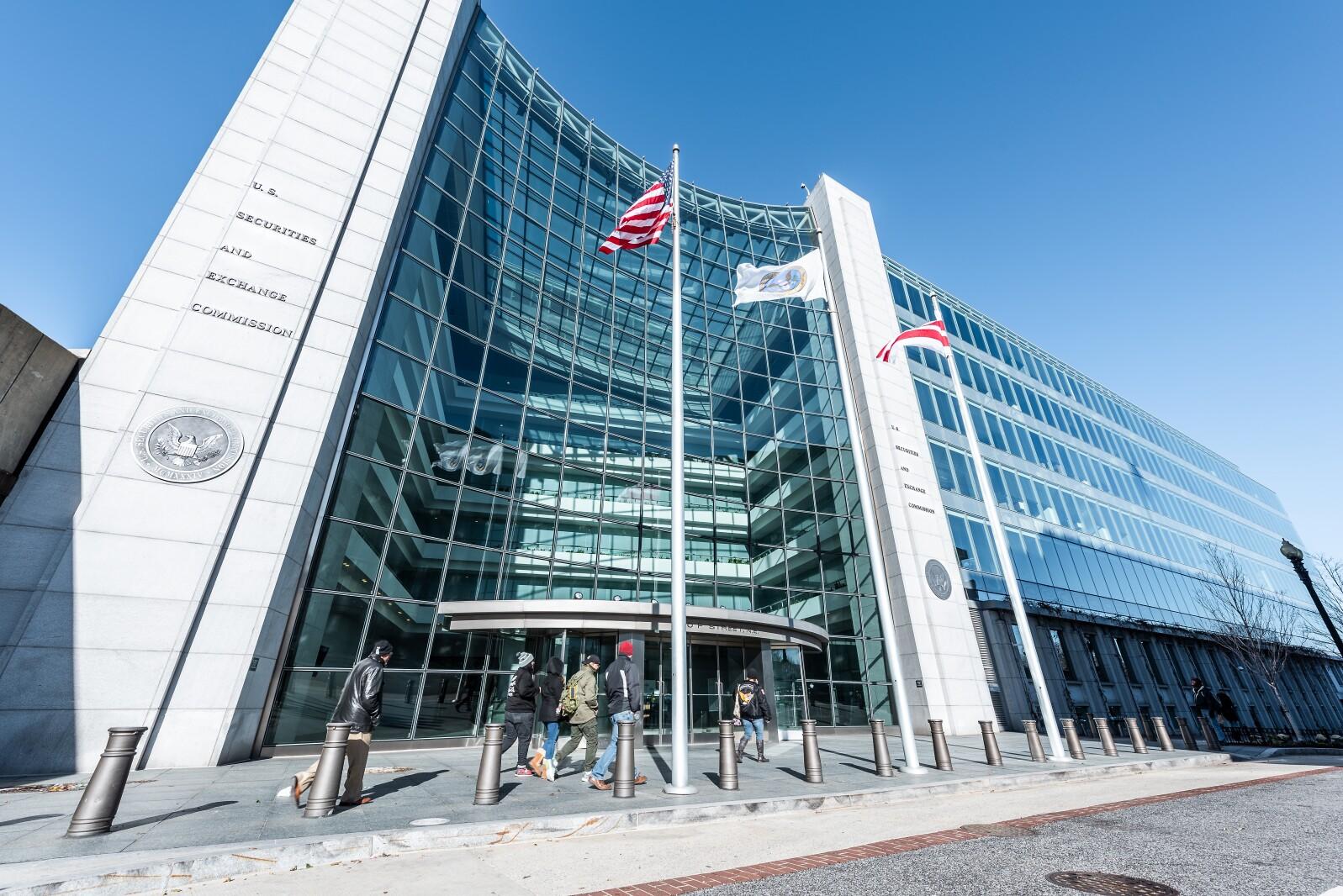
On September 17, the SEC adopted an “Innovation Exemption,” a temporary regime allowing specialized platforms known as Tokenized Securities Venues, or TSVs, to organize the trading of tokenized U.S. equities on blockchain infrastructure without being treated as traditional exchanges under the Exchange Act.
The exemption will last five years.
That may appear short in the history of financial markets. It is long enough, however, for an alternative infrastructure to begin competing with some of the systems on which Wall Street currently depends.
The same stock, on different rails
The principle adopted by the SEC matters.
The exemption is not designed to authorize synthetic products that merely replicate the price of a stock. Securities traded under the regime must directly represent the underlying equity and provide holders with the same rights and privileges as the conventional security.
That includes economic rights such as dividends as well as voting rights.
A tokenized share is therefore not supposed to become a digital wager on a listed stock.
It must remain a stock.
What changes is the mechanism through which it circulates.
Authorized venues will be able to use automated market makers and permissioned liquidity pools. The smart contracts underpinning these systems must be public and auditable and operate on public, permissionless blockchains.
The SEC has simultaneously imposed several safeguards.
The number of eligible securities and trading volumes will be capped. If an underlying stock is suspended on its primary exchange, trading in its tokenized representation must also stop. When an unaffiliated third party seeks to tokenize a company’s shares, the issuer must be notified and will have the ability to object.
Federal anti-fraud and anti-manipulation provisions will continue to apply.
The SEC is also granting temporary and conditional relief to certain liquidity providers, allowing them under specified circumstances to operate without registering as dealers.
The regulator is therefore not creating an unregulated parallel market.
It is creating a controlled environment in which a different market architecture can be tested.
The real issue is not blockchain
Tokenization is often presented as a new category of financial products.
That interpretation is becoming increasingly inadequate.
Under the SEC framework, the underlying economic asset can remain essentially unchanged. A tokenized stock can represent the same company, carry the same dividend and voting rights, and provide the same underlying economic exposure.
What changes are the rails.
The U.S. equity market has historically depended on a succession of intermediaries and infrastructures: exchanges, brokers, market makers, clearing systems, custodians and settlement networks.
Blockchain technology can theoretically compress parts of that chain.
A security can be digitally represented, transferred between wallets and settled much faster. It can also be more easily fractionalized and, depending on how future platforms are organized, traded across much broader hours than conventional exchanges currently provide.
None of this means that all of these features will immediately emerge under the SEC exemption.
But the question has already changed.
It is no longer simply whether a stock can be tokenized.
It is which functions currently performed by traditional market infrastructure remain indispensable when ownership and transfer can also be recorded on a blockchain.
Wall Street faces a new form of competition
That question explains why the implications extend far beyond the crypto industry.
Coinbase has long sought to offer tokenized equities in the United States and had publicly indicated its intention to enter the market once the regulatory environment allowed it. Robinhood and other financial platforms have also developed tokenization-related infrastructure or products outside the United States.
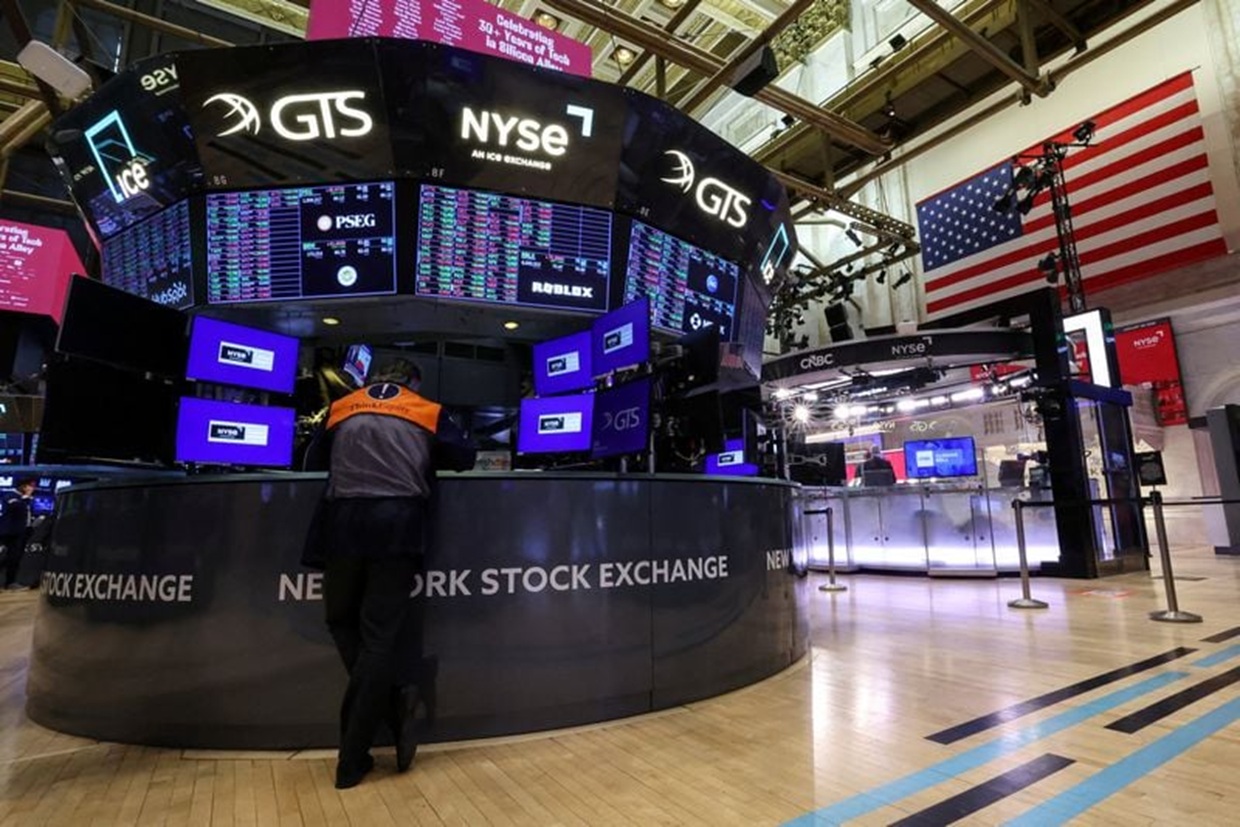
On the other side are the established pillars of the American equity market: Nasdaq, the New York Stock Exchange, major brokers and the broader ecosystem responsible for execution, clearing and custody.
The potential contest is therefore not simply about transaction fees.
It could become a contest over control of the infrastructure itself.
Crypto platforms have experience with continuously operating markets, digital wallets and on-chain transactions. Traditional financial institutions have deep liquidity, institutional relationships, mature systems and entrenched positions within the U.S. market.
Tokenization could gradually blur the distinction between the two.
A platform historically dedicated to crypto assets could become a venue for equities. A traditional broker could integrate blockchain settlement. An established exchange could itself tokenize parts of its infrastructure.
The eventual outcome would not necessarily be the replacement of Wall Street by crypto.
It could be their convergence.
A five-year experiment
The way the SEC has acted is almost as significant as the substance of the exemption.
Earlier this week, Congress failed to advance the CLARITY Act, legislation intended to contribute to a broader statutory framework for digital assets.
The SEC did not wait.
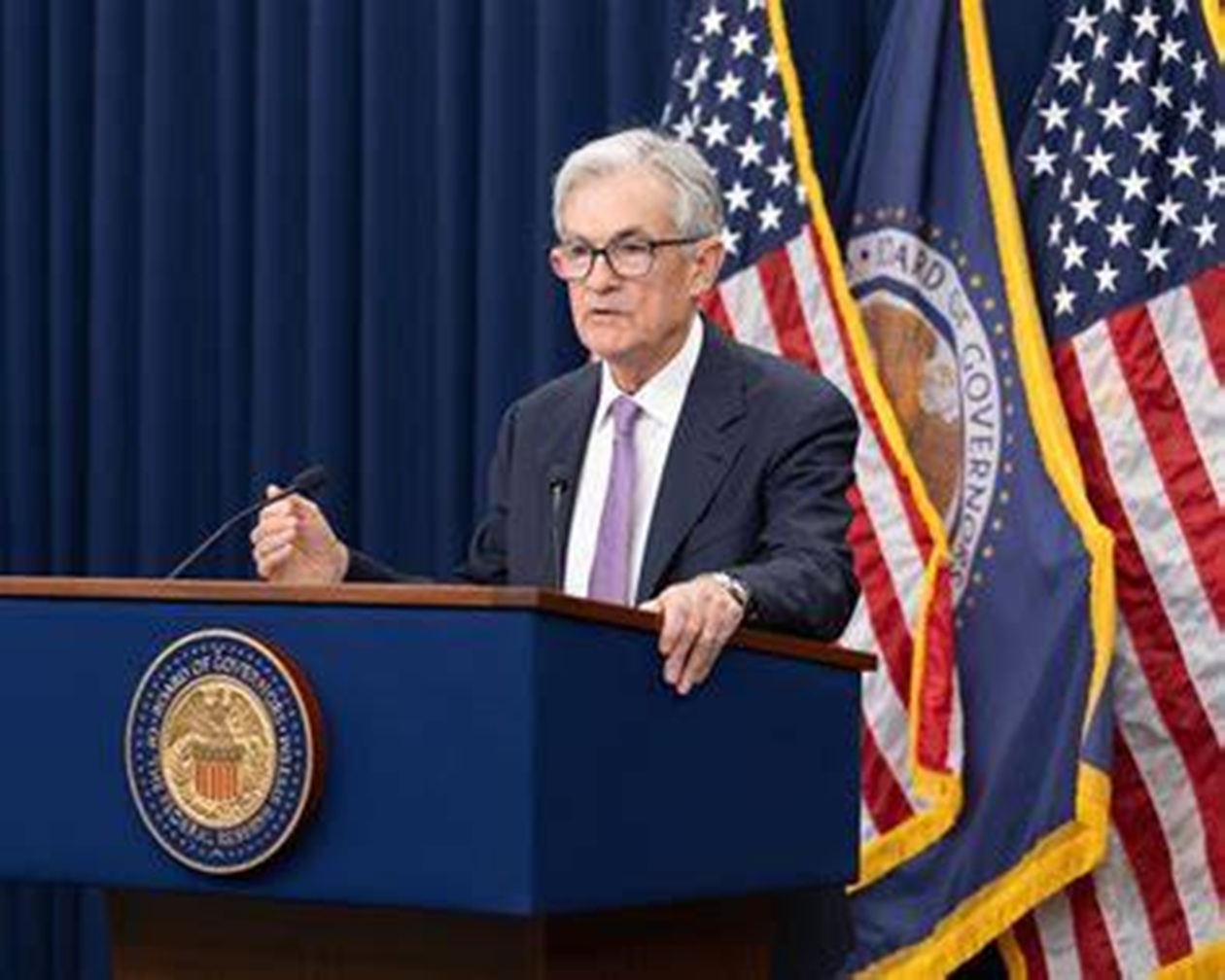
Chairman Paul Atkins has explicitly described the Innovation Exemption as a bridge toward more durable rulemaking.
The regulator is therefore using its exemptive authority to allow markets to experiment before a permanent framework is established.
There are historical precedents for this approach. SEC Commissioner Mark Uyeda has noted that other financial innovations, including money market funds, index funds and exchange-traded funds, also relied on forms of regulatory exemptive relief during their development.
The experiment is also designed to generate data.
Platforms will be required to disclose information about transactions, including prices, volumes and characteristics of their liquidity pools. Regulators will therefore be able to observe how these markets function in practice before deciding whether and how they should eventually be incorporated into the permanent U.S. regulatory architecture.
The laboratory will be inside the market itself.
A transformation that remains hypothetical
It would nevertheless be premature to declare that Wall Street is migrating to blockchain.
The exemption creates a regulatory possibility.
It does not create liquidity, investor confidence or issuer acceptance.
Companies will be able to object to their securities appearing on certain platforms. Investors will have to accept new forms of custody and transfer. Operators will have to demonstrate that their systems can withstand technical failures, smart-contract vulnerabilities and operational disruption.
Other questions remain unresolved in practice.
Private-key management, interaction with existing custody infrastructure, taxation, the effective exercise of voting rights, dividend distribution and the consequences of failures affecting a blockchain will all have to be tested.
There is also a risk of fragmentation.
If the same stock trades simultaneously on a traditional exchange and across several blockchain environments, technological innovation could disperse liquidity rather than simplify the market.
The SEC has limited both eligible securities and trading volumes precisely so these effects can be observed before the experiment is expanded.
When infrastructure becomes the market
The September 17 decision therefore does not mean that American stock exchanges are about to disappear.
It means something more subtle.
For the first time, the U.S. regulator is accepting that part of the secondary equity market can operate on technological rails that were not built by the traditional exchange architecture.
For five years, two models can begin to coexist.
In the first, a stock moves through the historical stack of exchanges, brokers, market makers, clearing systems and custodians.
In the second, the same ownership right can be represented by a token and traded within blockchain infrastructure operating under a specific regulatory regime.
The distinction appears technical.
It is not.
In financial markets, controlling the rails means controlling part of the flows, data, liquidity and economics generated around transactions.
The real question raised by the SEC is therefore not whether American investors will want to buy “crypto stocks.”
They may simply continue buying stocks.
But tomorrow, those stocks may no longer need to travel along exactly the same roads.
Main sources: Securities and Exchange Commission, SEC Issues “Innovation Exemption” to Facilitate the Trading of Tokenized NMS Stock and Request for Comment, September 17, 2026; Paul S. Atkins, SEC, Statement on the Innovation Exemption: A Bridge Toward Durable Rulemaking, September 17, 2026; Mark T. Uyeda, SEC, Statement on the Innovation Exemption, September 17, 2026; Reuters, US securities regulator rolls out five-year exemption for tokenized stock trading, September 17, 2026.
Atlas Limits Research Desk
Atlas Limits’ editorial and analytical desk.