

Publications
387 published articles
-
 Trade & Industry
Outsourcing: Who Keeps the Value?
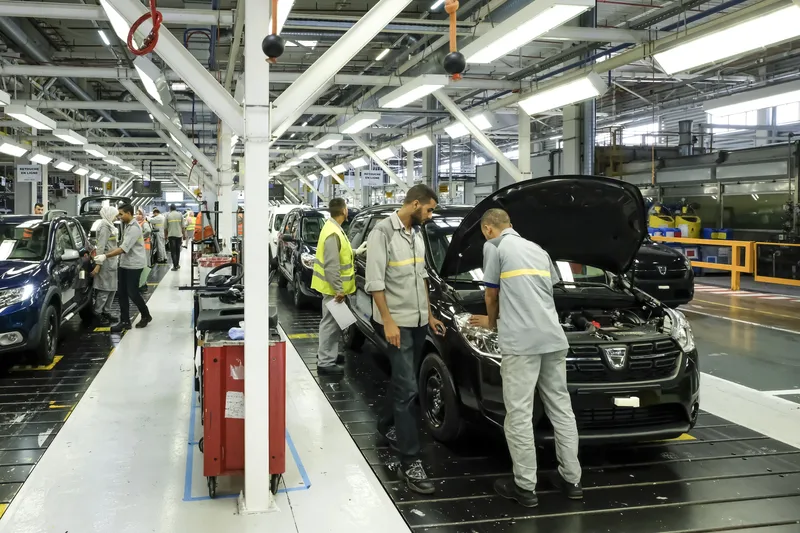
A factory opens. Machines arrive, recruitment begins, and the first components roll off the production lines. The government announces the investment, the international group celebrates a new industrial site, and national statistics soon record higher production and exports.
-
 Asia-Pacific
Singapore: The World as Its Hinterland
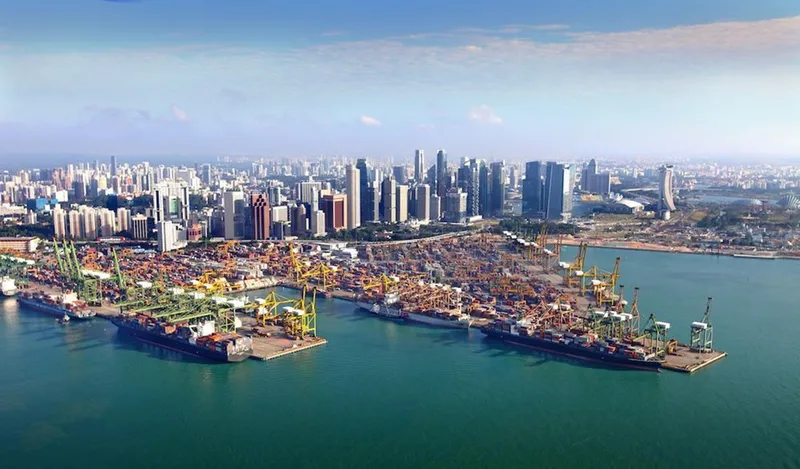
In Singapore, ships never really stop. They arrive, unload, load, refuel and leave again. Capital behaves much the same way.
-
 Eurasia
Caucasus: Peace Changes the Geography
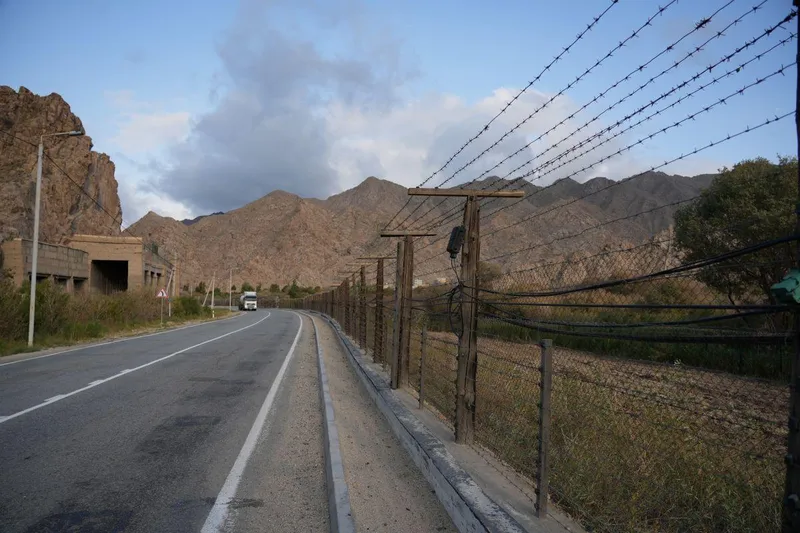
For more than thirty years, the map of the South Caucasus was read as a military map. Borders indicated not so much where one could travel as where roads became impossible. Between Armenia and Azerbaijan, infrastructure inherited from the Soviet Union had been severed by war.
-
 Corporate
Schneider Electric: The Machine Becomes Software
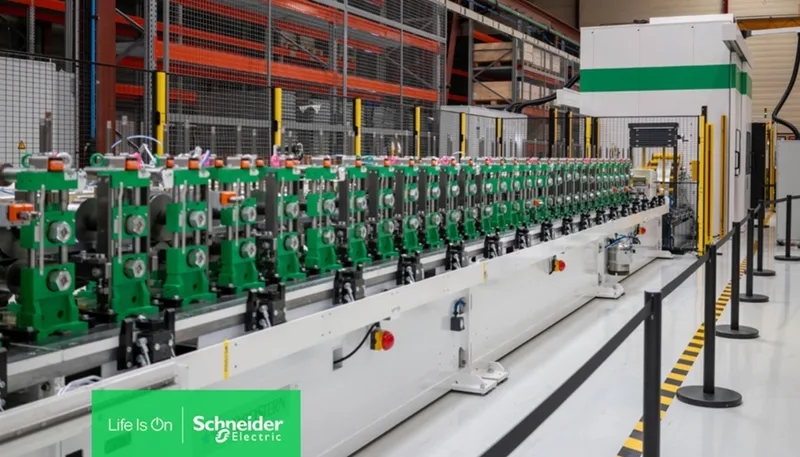
Only a few years ago, Schneider Electric could still be described relatively simply. A French industrial group selling electrical equipment, energy-management systems and automation solutions.
-
 Politics
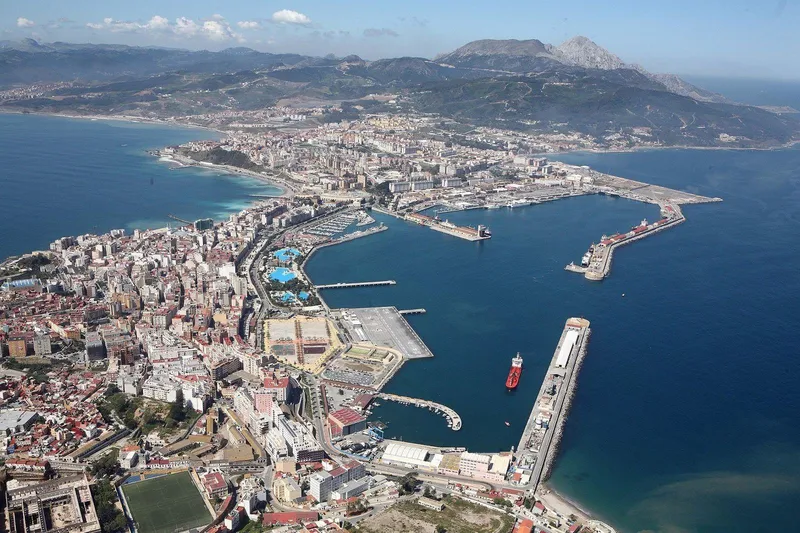
Spain: Morocco After Sánchez
For four years, Spain and Morocco have built a relationship whose main achievement has been its ability to withstand its own contradictions.
-
 Art & Culture
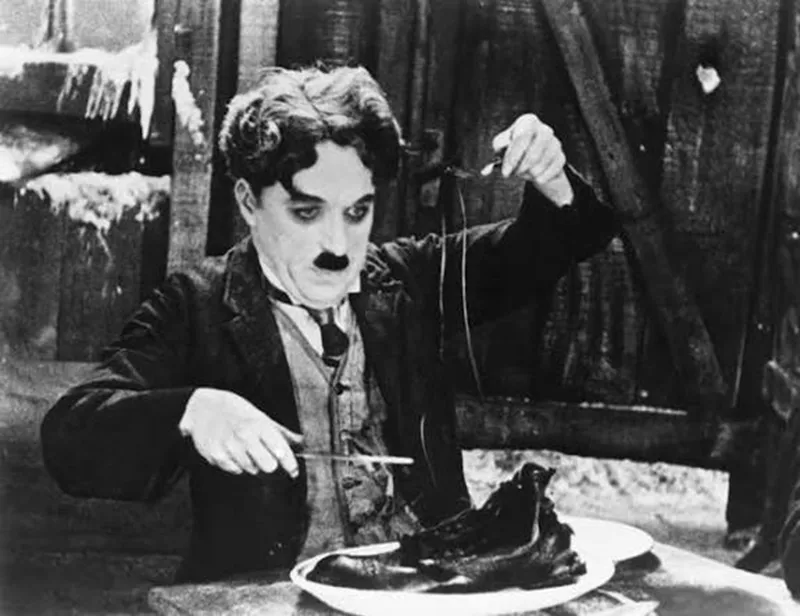
Charlie Chaplin: The Dignity of the Weak
He sleeps in the street, is chased away by policemen, loses his jobs, knows hunger, prison and humiliation. His clothes are either too large or too small, his shoes are worn out, and his fortune sometimes amounts to a handful of coins.
-
 Economics
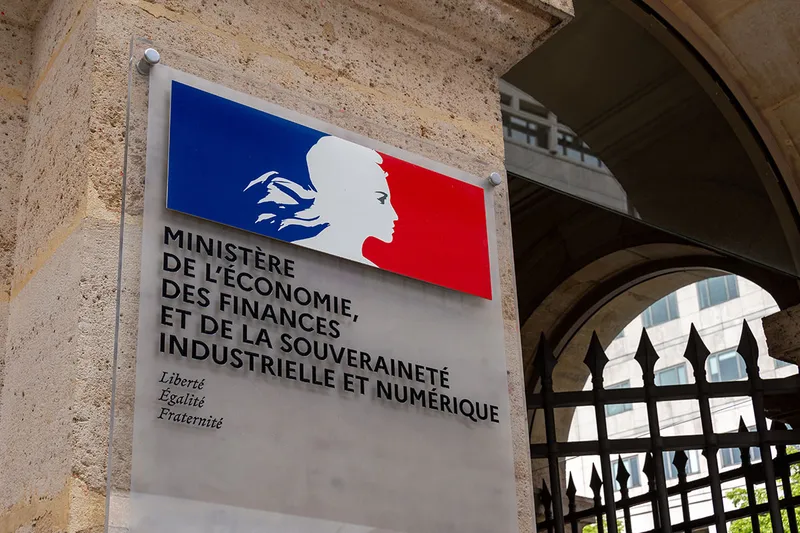
France: When Debt Has a Price Again
For nearly fifteen years, France was able to live with an anomaly that became so familiar it eventually seemed natural: its debt increased, its deficits persisted, governments postponed adjustment, yet markets continued to lend to it almost as if nothing had changed.
-
 Reports and Studies
The Corporation: Who Owns, Who Decides, Who Profits
A brand gives a face to an organisation the consumer almost never sees. Behind its products lie arrangements that allocate rights, income and risk. From production lines to boardrooms, this dossier examines how large corporations build power, share it and lose it.
-
 Eurasia
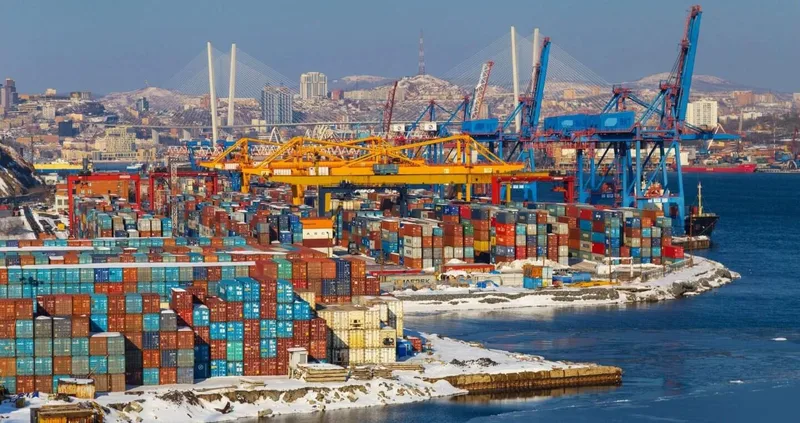
Russia: The Economy Looks East
East of Lake Baikal, trains now tell part of Russia’s economic story. Coal, minerals, hydrocarbons and containers converge on the same tracks — the Trans-Siberian Railway and the Baikal-Amur Mainline — before continuing toward Pacific ports or the Chinese border. The problem is no longer finding cargo.
-
 Geopolitics
Sahara: Time Is Beginning to Work in Rabat’s Favor
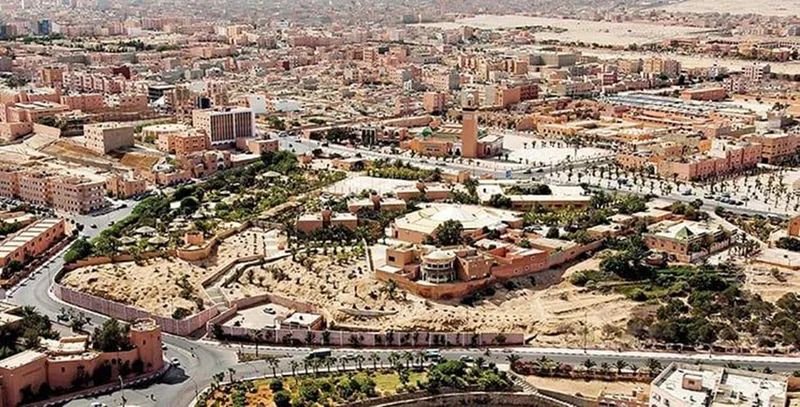
In Laayoune, the conflict does not look like a territory suspended for half a century. The city is expanding, roads run south toward Dakhla and Mauritania, ports are being developed, public investment has transformed infrastructure, and Moroccan institutions operate much as they do elsewhere in the Kingdom.
-
 Geopolitics
Saudi Arabia: Taking Back the Land to Reopen the Sea
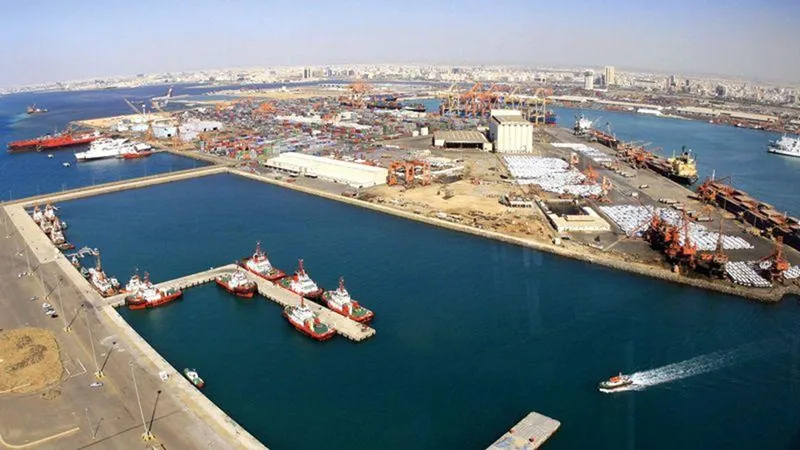
For years, the Red Sea was treated as a maritime problem. Frigates escorted merchant vessels, destroyers intercepted drones, missiles were shot down above shipping lanes, and international coalitions tried to keep one of the world’s main commercial arteries open. Yet in early October 2026, the response taking shape in Riyadh is no longer merely naval.
-
 Eurasia
Eurasia: The Return of Continental Routes
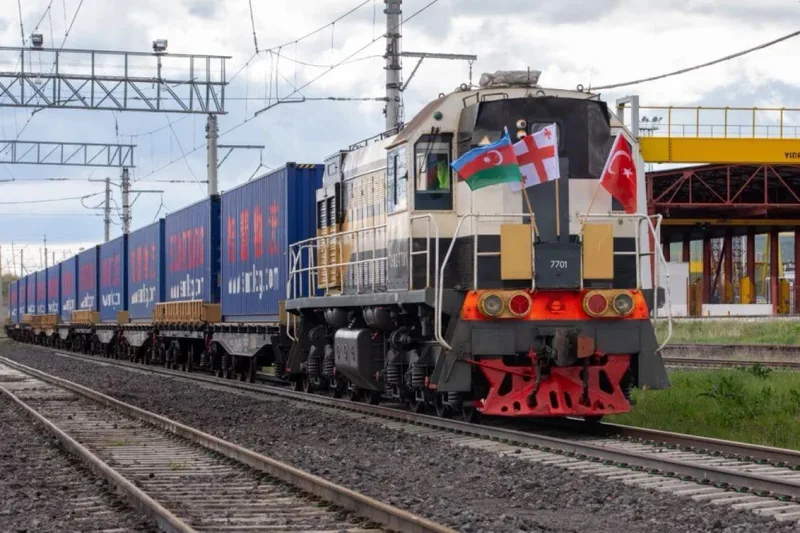
For a long time, much of the trade between China and Europe could be summarized by a geographical certainty: the sea carried most of the volume, while land offered speed.