

Section
Politics
Institutions, political life, public policy, elections and governance.
19 published articles
Overview
The Politics section examines institutions, electoral processes, political parties, public policy and governance. It places national decisions, their actors and their effects on public action and democratic balances in context.
Featured
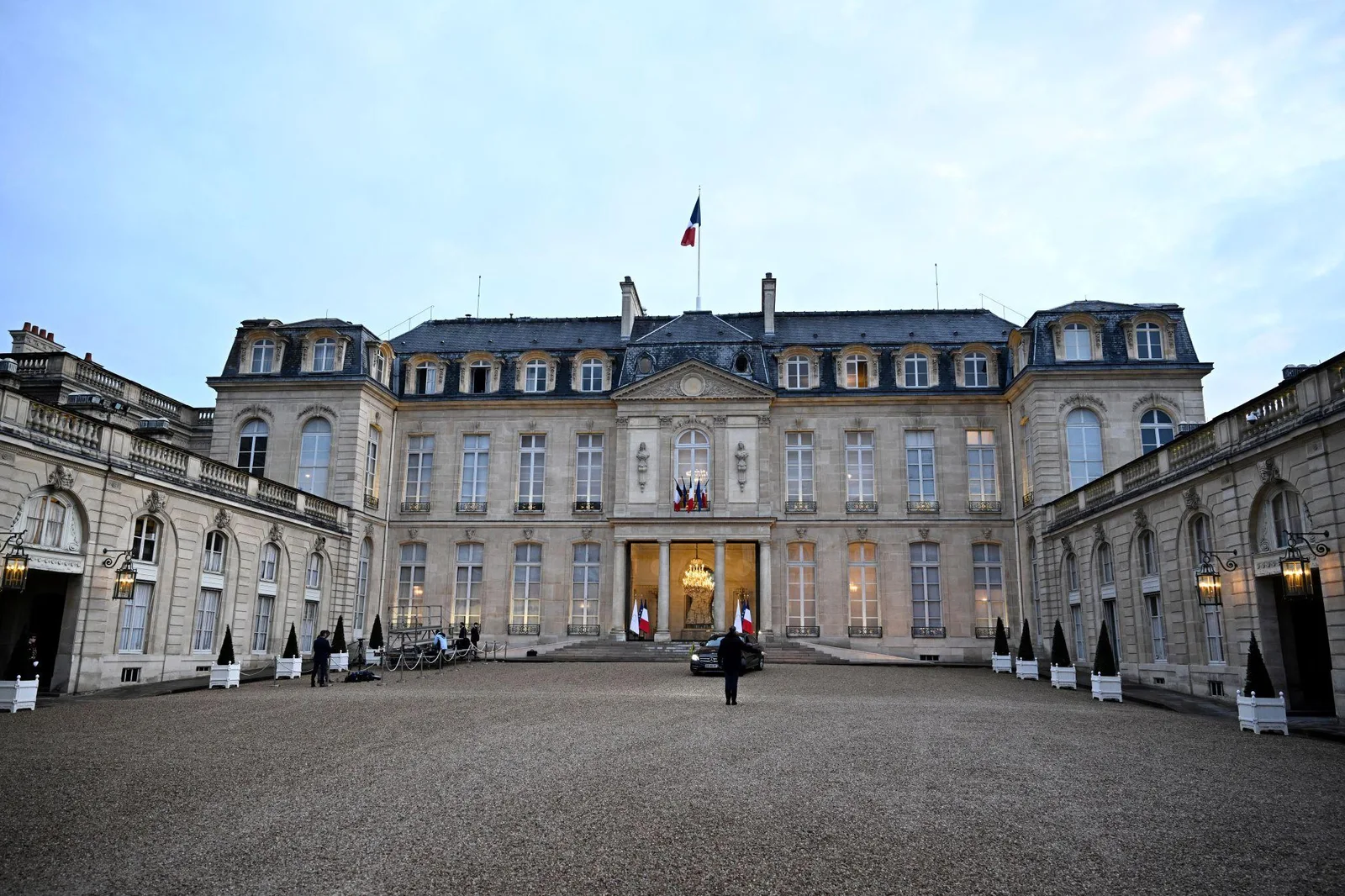
France 2027: the forces in contention
In the spring of 2027, French voters will choose a new president. They will also decide what they wish to preserve from a decade of transformation, what they want to undo and what they remain willing to build together.
AnalysisRecent publications
-
 Politics
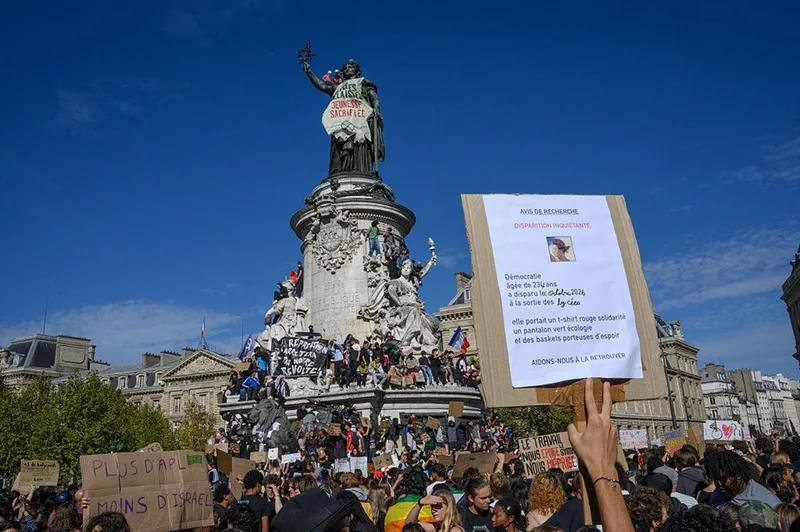
France: Social Anger Becomes a Political Crisis
In Paris, clouds of tear gas obscure Place de la République. A few streets away, thousands of demonstrators continue marching peacefully, while smaller groups confront police officers and fires break out. In Lyon, the tourist information office on Place Bellecour is engulfed in flames.
-
 Politics
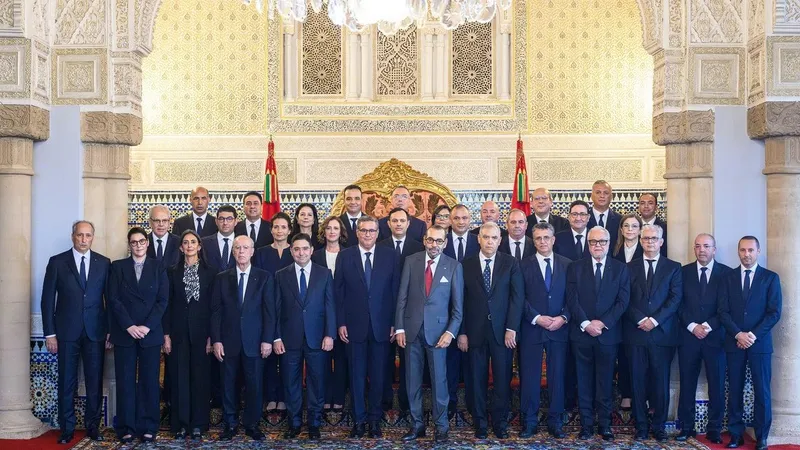
Morocco: A New Government Faces the Test of Transformation
In Rabat, the formation of a new government is never simply a redistribution of ministerial portfolios.
-
 Politics
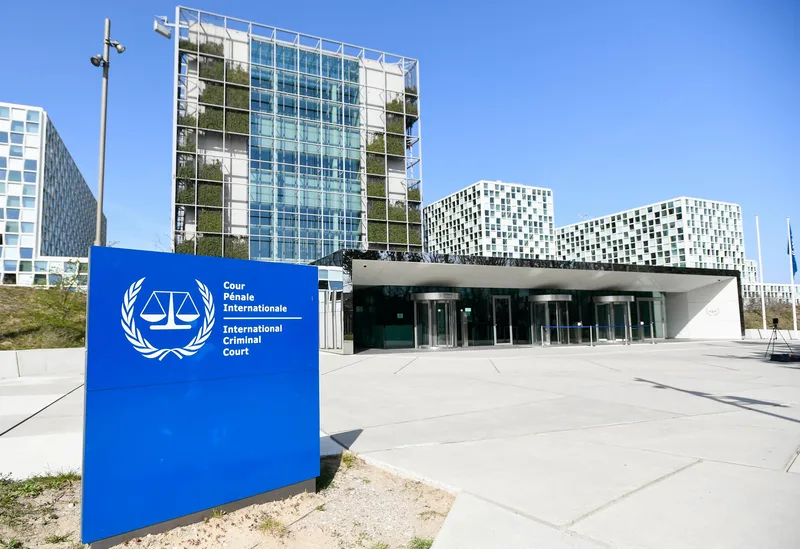
International Justice Confronts American Power
By imposing sanctions directly on the International Criminal Court, Washington has taken its confrontation with international justice to a new level.
-
 Politics
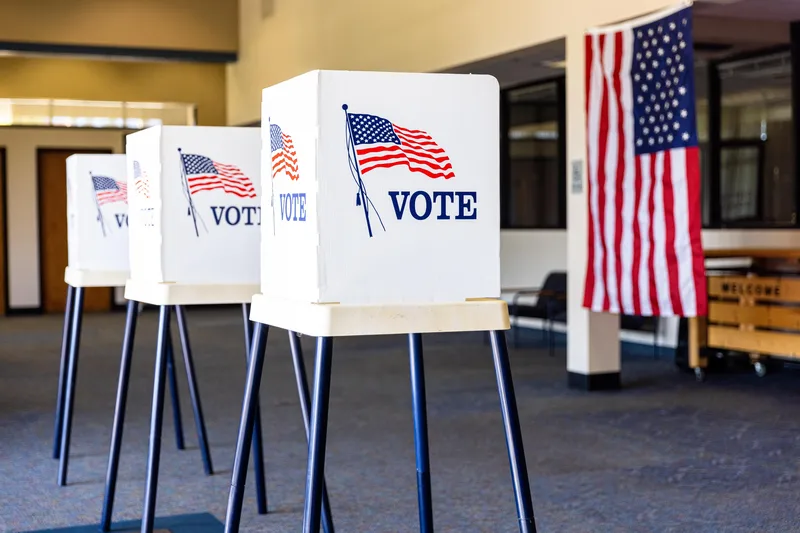
United States: Power at the Midpoint
With twelve days remaining before the midterm elections, the United States is preparing to renew its Congress amid economic tensions, political realignment, and international uncertainty. Donald Trump will not appear on the November 3 ballot. Yet the election will determine a substantial part of the conditions under which he can exercise power during the final two years of his presidency.
-
 Politics
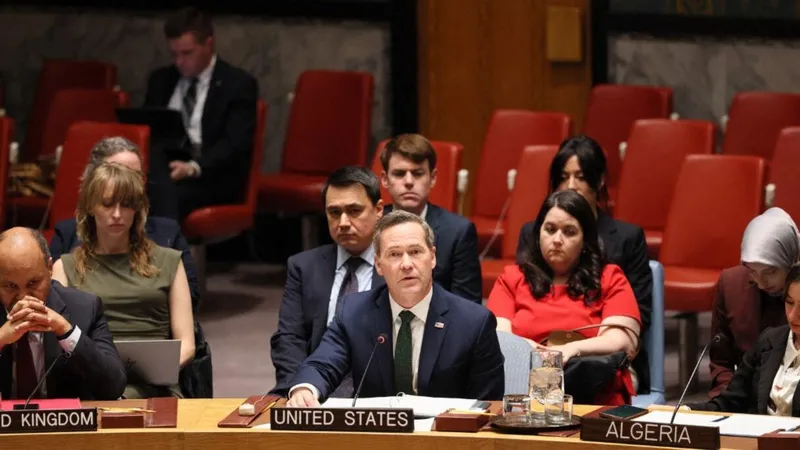
Western Sahara: Washington Plans for the Post-Conflict Era
For more than three decades, international diplomacy has managed the Western Sahara conflict without finding a political settlement. The United Nations has maintained a mission on the ground, renewed its mandates, conducted successive consultations, and searched for a formula capable of reconciling fundamentally opposing positions.
-
 Politics
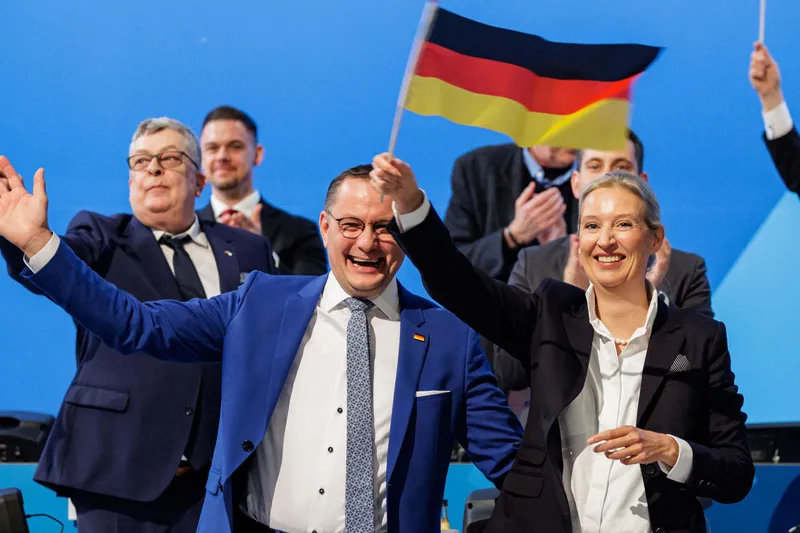
Europe: The Return of Contested Borders
It took only a map to revive a question Europe believed it had settled for good. In Germany, activists associated with Alternative für Deutschland (AfD) circulated a representation of the country's territory extending into Alsace, Moselle and several neighboring states.
-
 Politics
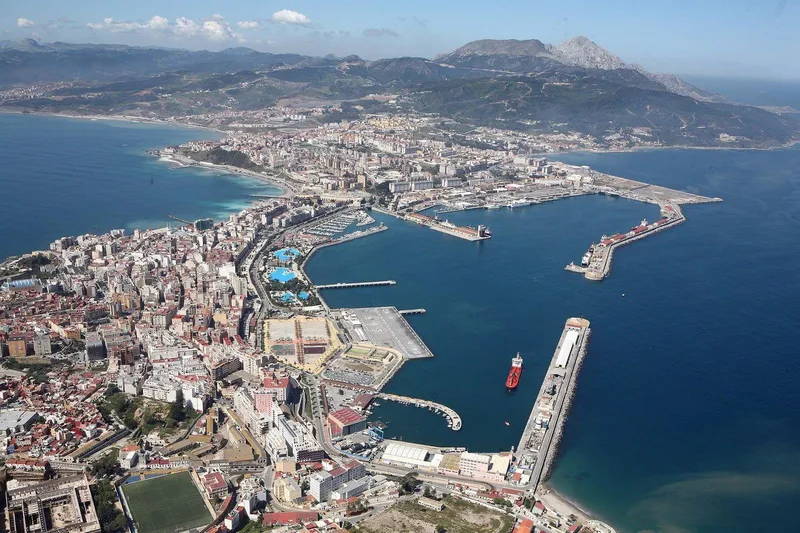
Spain: Morocco After Sánchez
For four years, Spain and Morocco have built a relationship whose main achievement has been its ability to withstand its own contradictions.
-
 Politics
Morocco: A New Political Cycle
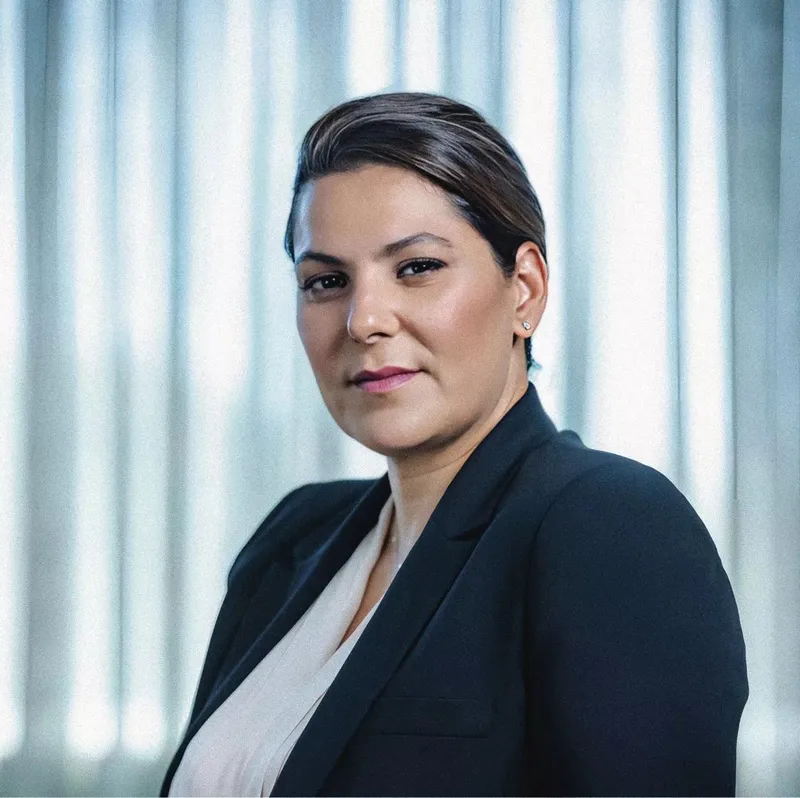
On September 29, 2026, at the Royal Palace in Rabat, one photograph marked Morocco’s entry into a new political sequence. Six days after the parliamentary elections, Mohammed VI appointed Fatima Ezzahra El Mansouri Head of Government and tasked her with forming the new executive. For the first time in the Kingdom’s history, a woman has reached this position.
-
 Politics
Morocco–Israel: Behind the Embassies, the Sahara
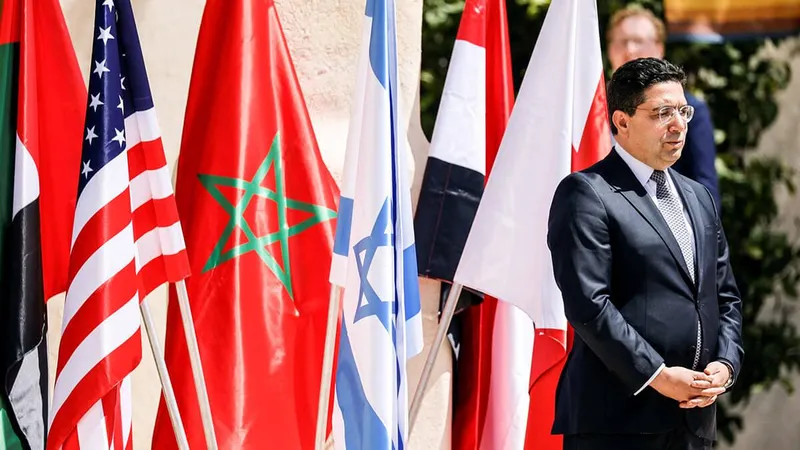
The announced upgrading of Moroccan-Israeli relations to embassy level extends far beyond the bilateral relationship. Six years after diplomatic ties were restored, Rabat, Tel Aviv and Washington are reactivating the strategic triangle established in 2020 just as the Sahara issue itself enters a potentially decisive phase.
-
 Politics
Morocco: What Elections Can Change and What They Cannot
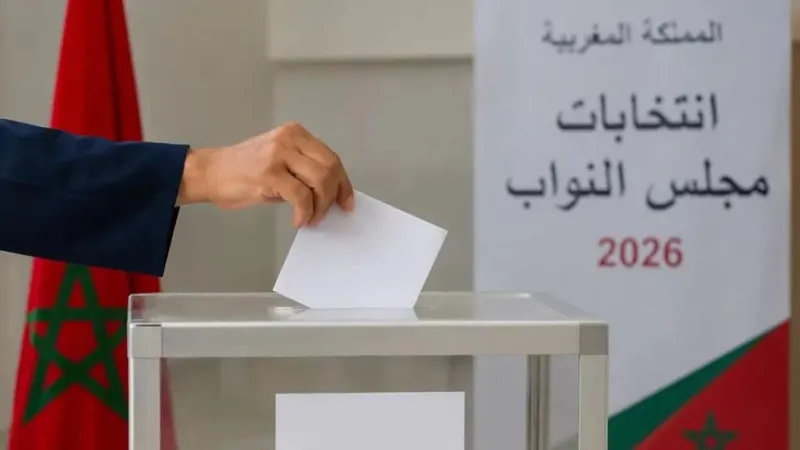
With Morocco’s legislative elections only days away on September 23, the country is entering an unusual political moment.
-
 Politics
France: The Presidential Election After Macron
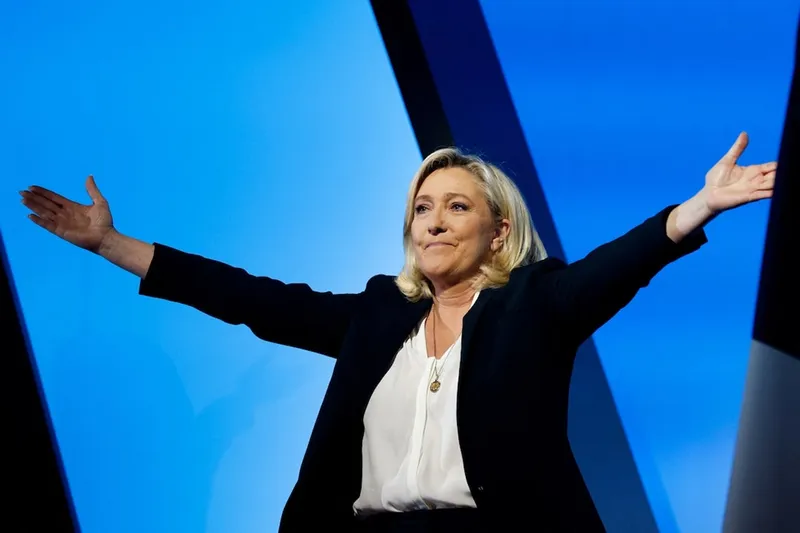
For ten years, French politics has revolved around Emmanuel Macron. He has been both its centre of gravity and its principal target.
-
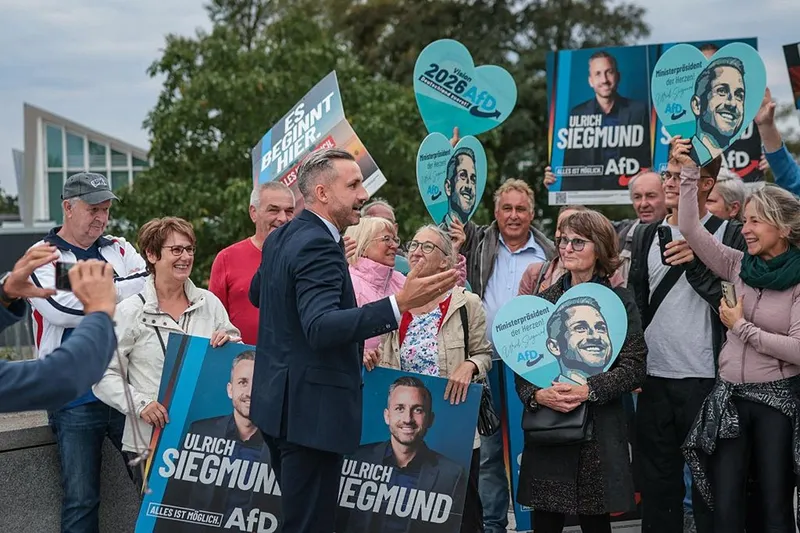 Politics
Germany: When the Firewall Becomes the System
For years, Germany’s political firewall had a relatively simple function: prevent Alternative für Deutschland from entering government without fundamentally changing how the rest of the political system operated.