

Section
Technology
AI, semiconductors, digital sovereignty, cybersecurity and data.
21 published articles
Featured
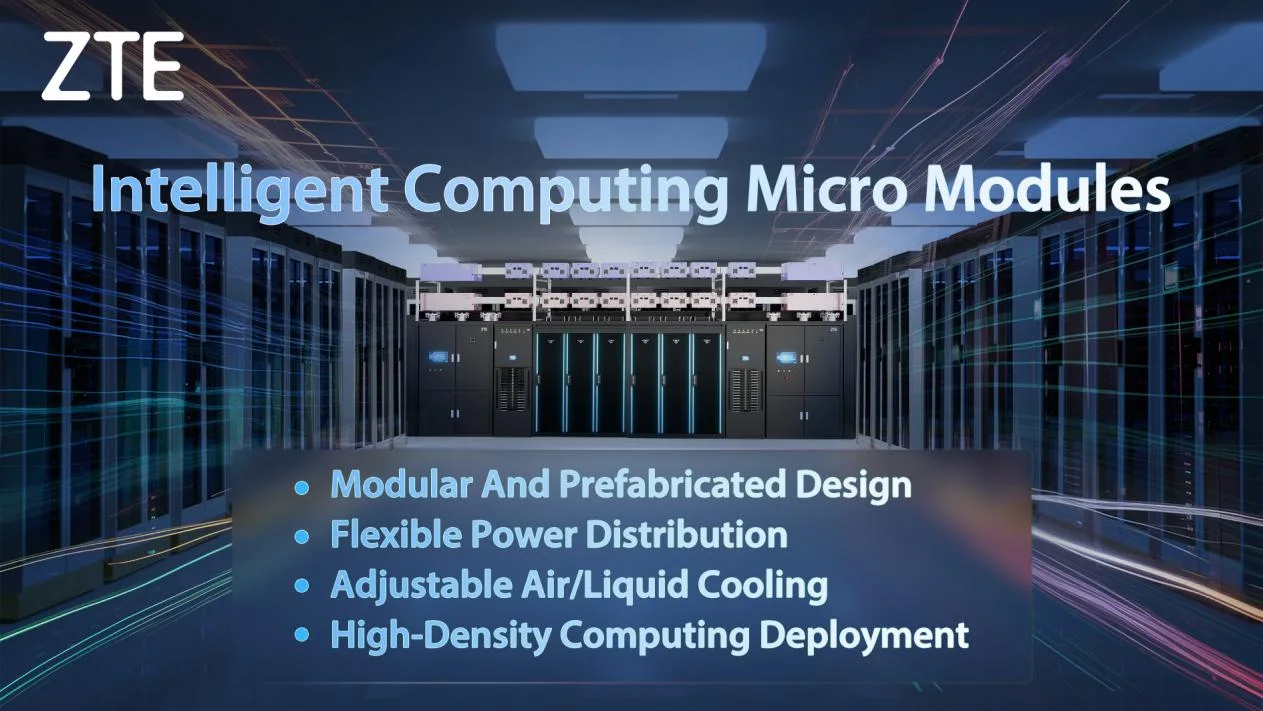
Artificial Intelligence Is Redesigning Data Centers
With its new M8000 computing module, China's ZTE illustrates a profound transformation of the digital industry. As artificial intelligence drives unprecedented demand for computing capacity, technological competition is increasingly shifting toward electricity, cooling systems, a
AnalysisRecent publications
-
 Technology
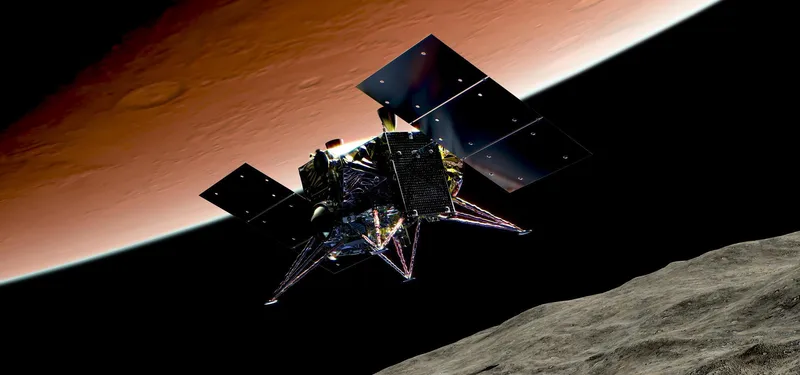
Japan: In Search of the Solar System’s Origins
On the night of October 19–20, 2026, an H3 rocket rose above the Tanegashima Space Center in southern Japan. On board, a spacecraft weighing nearly five tonnes carried an unusual ambition: to travel hundreds of millions of kilometres, reach one of Mars’s moons, collect a few gram
-
 Technology
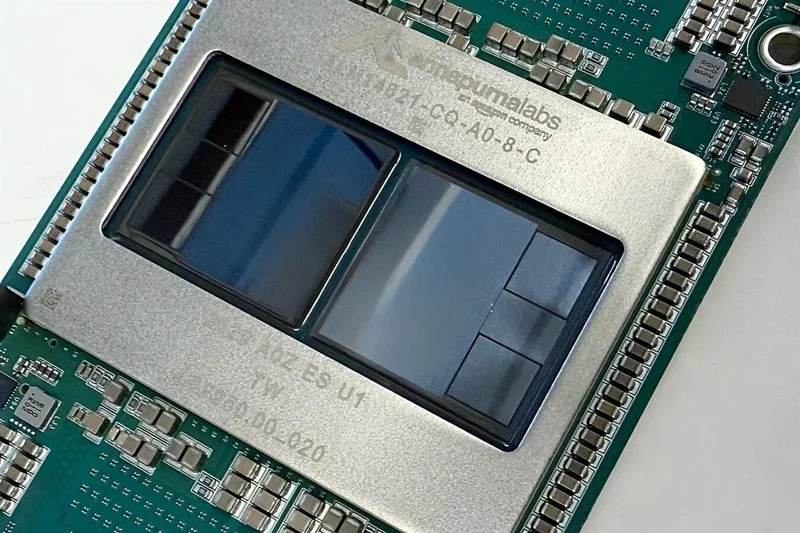
Amazon Challenges Nvidia Where Its Dominance Runs Deepest: Software
With the launch of TorchNeuron, Amazon Web Services is seeking to dismantle one of the main barriers to the adoption of its Trainium processors: developers’ dependence on Nvidia’s software ecosystem.
-
 Technology
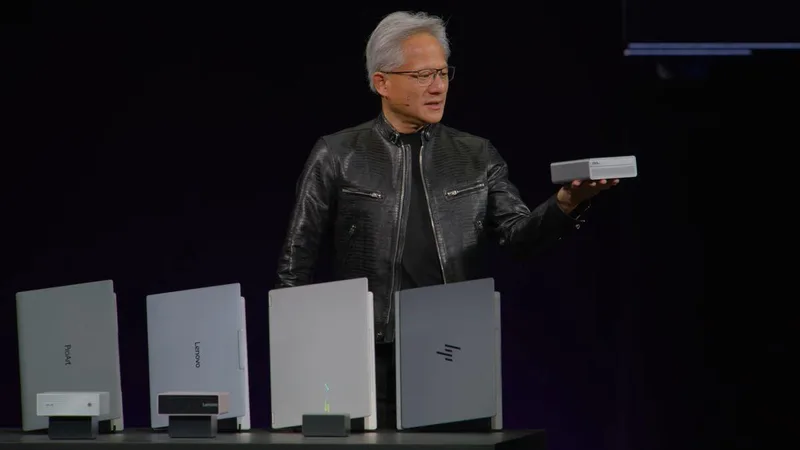
NVIDIA: The Battle for Control of the Next Personal Computer
With the launch of the first Windows computers powered by the RTX Spark superprocessor, NVIDIA is pursuing a transformation that extends far beyond graphics performance and gaming laptops.
-
 Technology
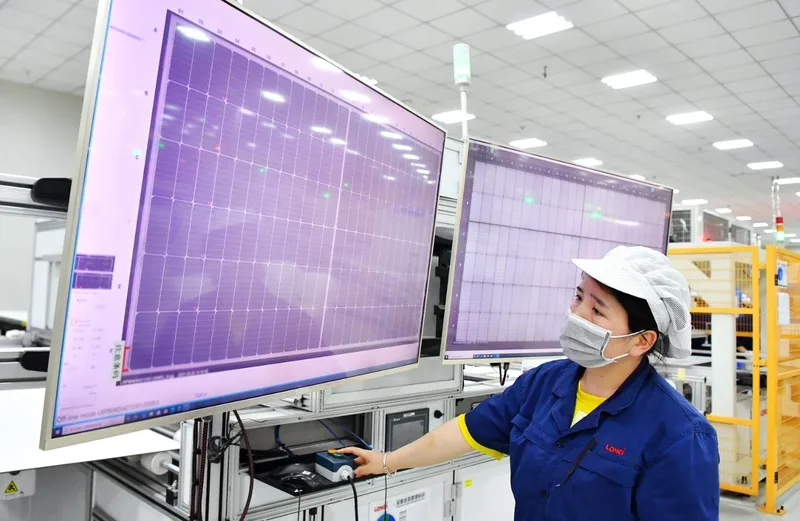
China: Technological Sovereignty Becomes an Export Policy
Beijing is preparing a new phase in the regulation of its strategic technologies. By proposing to place 40 categories of technology under export prohibitions or restrictions, China is seeking not merely to protect its industrial capabilities but also to control the conditions under which its innovations can be transferred, reproduced and exploited abroad.
-
 Technology
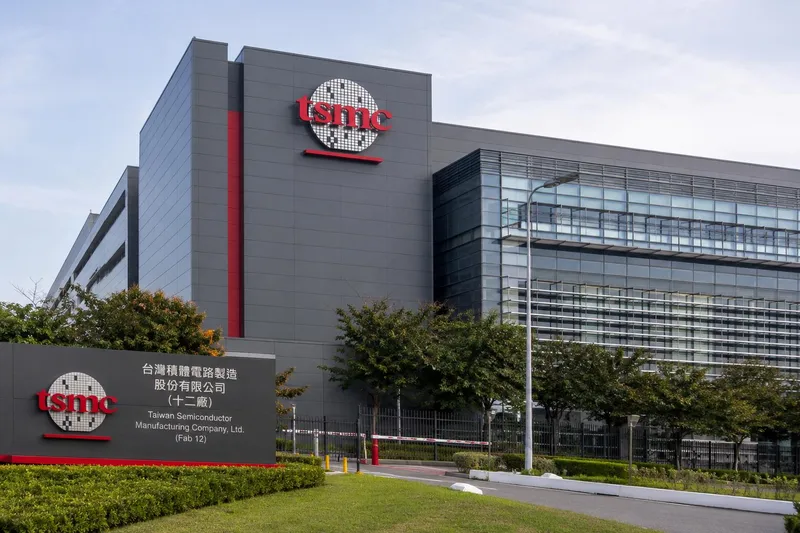
TSMC: Record Profits, but AI’s Future Remains Uncertain
In Taiwan, semiconductor factories are operating at the pace of an industrial transformation whose ultimate limits remain unknown.
-
 Technology
Artificial Intelligence: Does Sovereignty Begin with Models or Institutions?
As the world's leading powers invest hundreds of billions of dollars in artificial intelligence infrastructure, middle-income economies face a different challenge: how can they turn technology largely developed elsewhere into a source of national economic capability?
-
 Technology
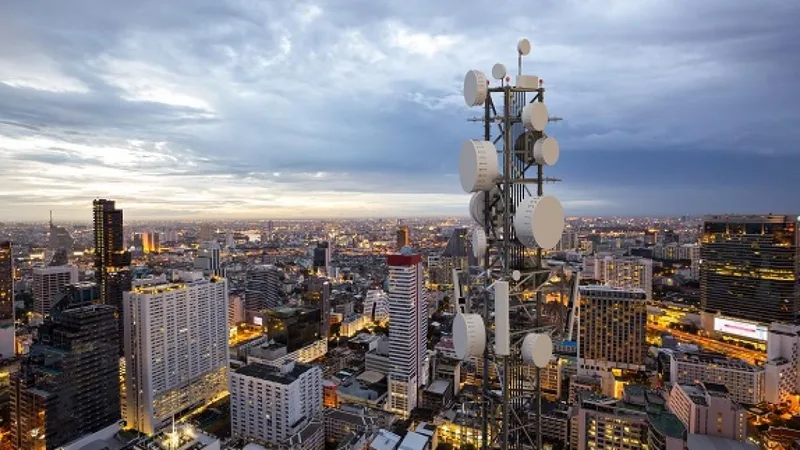
Starlink: The Battle for Control of Telecommunications
SpaceX's aggressive expansion into mobile spectrum signals a potentially major transformation of the global telecommunications industry.
-
 Technology
United States: Silicon Valley on Washington’s Terms
Washington has reminded America's technology giants that their freedom to organize a global workforce is no longer unconditional. On October 8, 2026, Vice President JD Vance announced the suspension of Microsoft from a federal certification program that allows companies to sponsor foreign skilled workers for permanent residency.
-
 Technology
AI: Debt Enters the Race for Compute
For a long time, the race for artificial intelligence could be told through a handful of words: models, parameters, data, chips. Then the buildings appeared behind the algorithms.
-
 Technology
Starship : l’orbite change la nature du programme
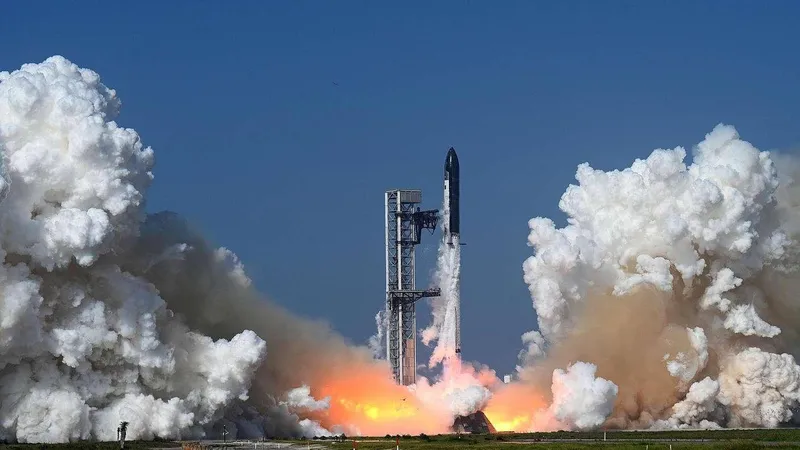
The launch looked much like the ones before it. A tower, a 124-meter stainless-steel vehicle, thirty-three engines beneath its first stage, and a few minutes during which SpaceX still had to demonstrate that its enormous rocket could survive what was being asked of it. But on September 28, 2026, something changed above Texas: Starship did not simply travel farther. For the first time, it had something to deliver.
-
 Technology
Artificial Intelligence: The Race Trap
On September 23, 2026, Sam Altman sat behind a small nameplate bearing his name in the chamber of the United Nations Security Council. Around him were representatives of the powers entrusted since 1945 with maintaining international peace and security.
-
 Technology
Semiconductors: Washington Now Wants to Bring AI Memory Home
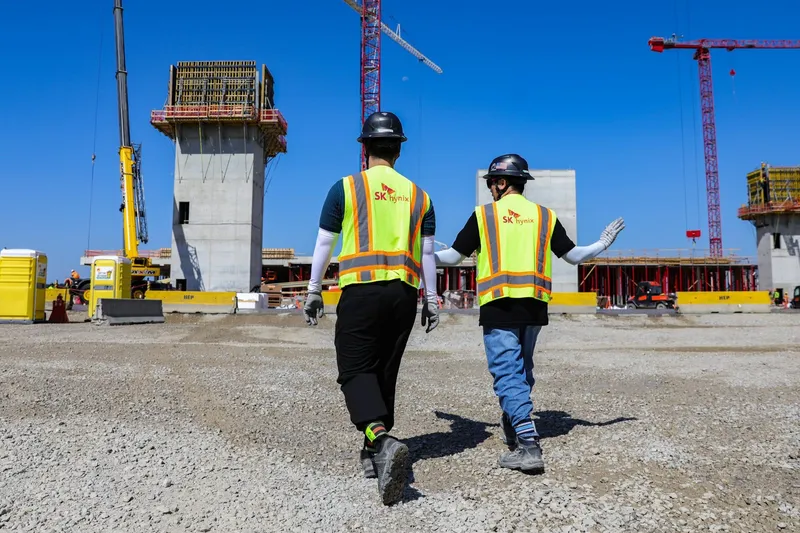
For several years, the semiconductor battle has focused on the most visible components of artificial intelligence: advanced processors, GPUs, the equipment required to manufacture them, and the enormous data centers that house them.