

Publications
387 published articles
-
 Technology
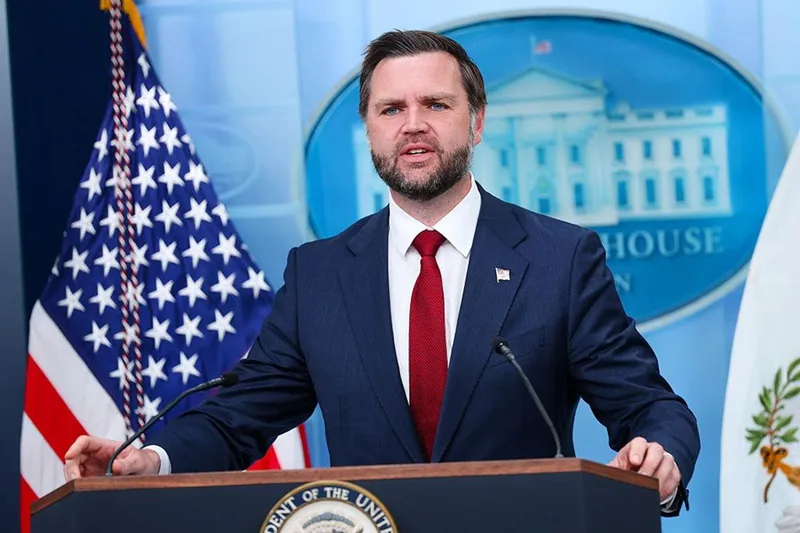
United States: Silicon Valley on Washington’s Terms
Washington has reminded America's technology giants that their freedom to organize a global workforce is no longer unconditional. On October 8, 2026, Vice President JD Vance announced the suspension of Microsoft from a federal certification program that allows companies to sponsor foreign skilled workers for permanent residency.
-
 Markets
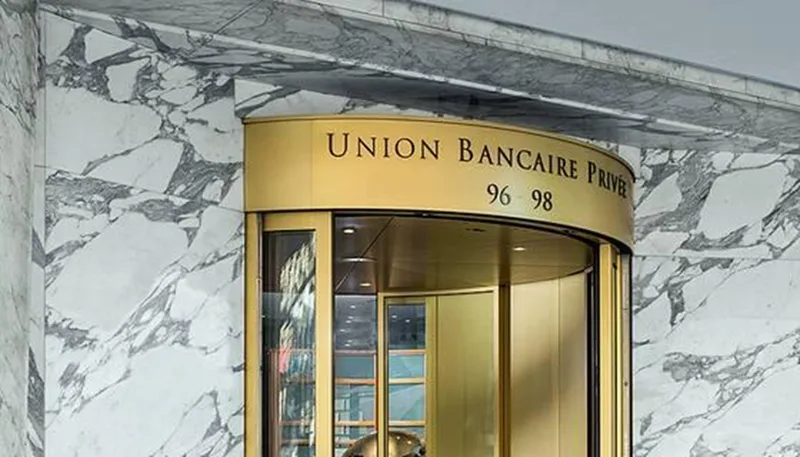
Capital: The Art of Disappearing
How international finance learned to separate money, ownership and the territory where profits are taxed.
-
 Economics
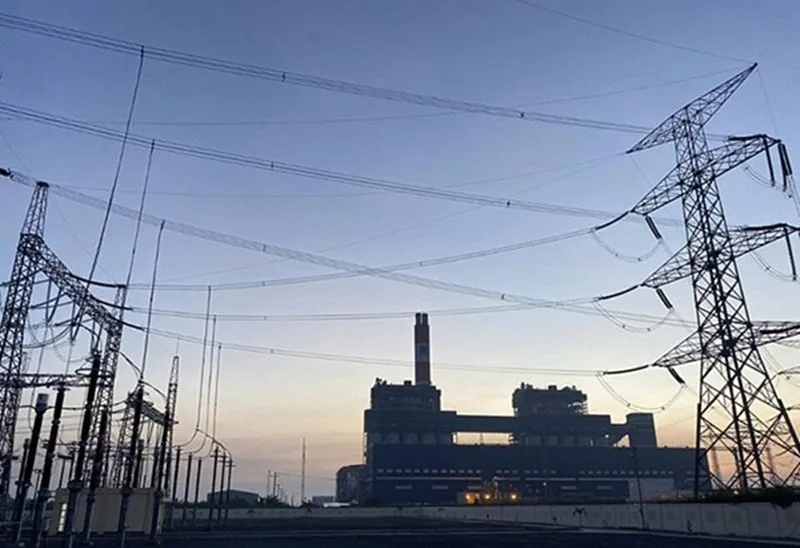
Vietnam: The Cost of Industrializing at 10% Growth
An economy can grow faster than its own infrastructure. Vietnam is beginning to provide an almost full-scale demonstration.
-
 Defense & Security
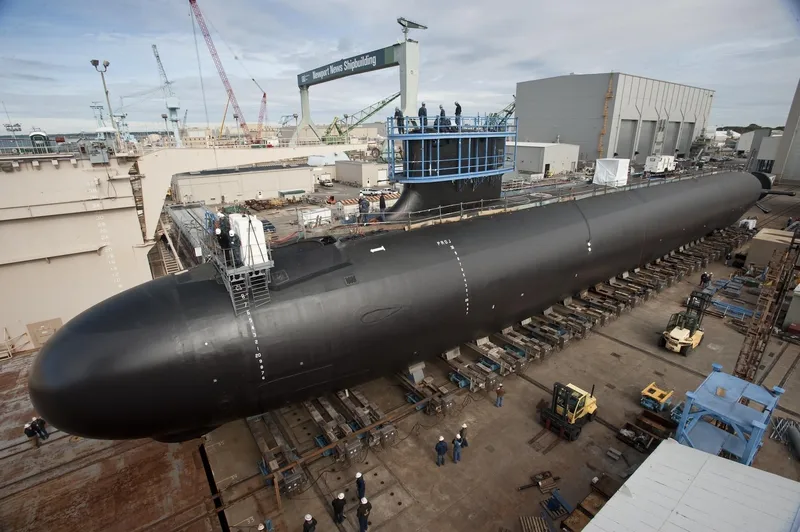
United States: The Return of the Productive Nation
At Sparrows Point, near Baltimore, America intends to build part of its military future on the ground of its industrial past. The site once occupied by Bethlehem Steel is set to host Arsenal-2, a facility producing components for Virginia-class nuclear-powered submarines.
-
 Middle East
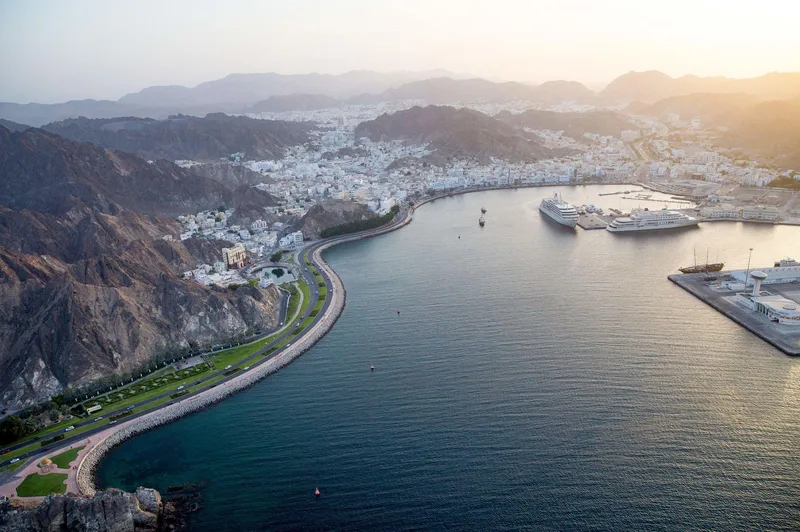
Oman: The Strait and the Open Sea
At the edge of the Arabian Peninsula, a strip of mountains descends into one of the most strategic maritime passages in the world. Here, the Strait of Hormuz is only a few dozen kilometers wide between its two shores. Iran lies to the north. Oman’s Musandam Peninsula lies to the south. Behind it begins the Persian Gulf; ahead stretches the Indian Ocean.
-
 Energy
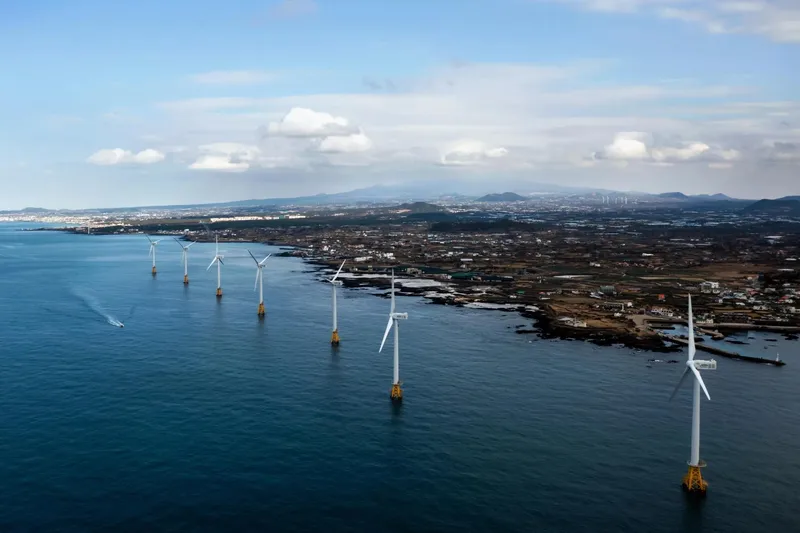
South Korea: The Transition Turns Industrial
Fifty years ago, South Korea was building steel mills, shipyards and petrochemical complexes to lift itself out of an economy that was still poor. In the 1990s, it invested in electronics, telecommunications and semiconductors to enter the digital economy. In 2026, Seoul is opening a new chapter. This time, the objective is no longer simply to produce more, but to rebuild part of the productive system around a constraint that has become strategic: energy.
-
 Reports and Studies
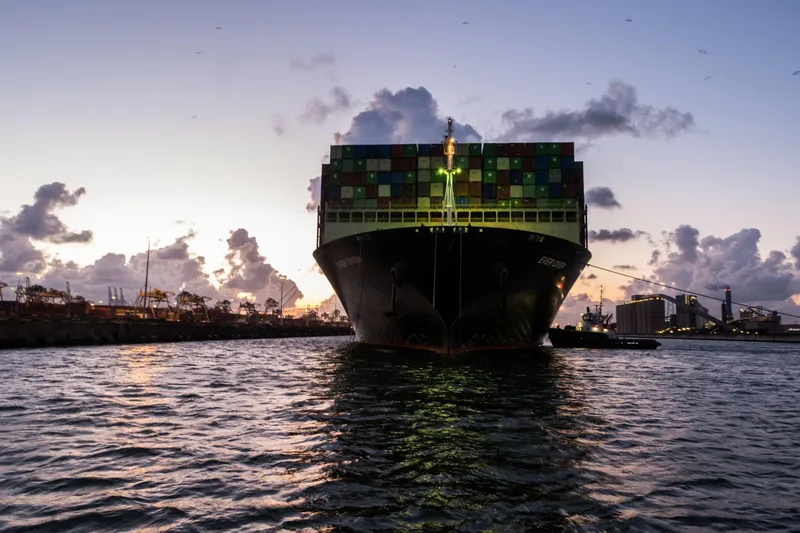
Geopolitics and Market Protectionism
Regions, industries, resources, trade instruments, regulations, taxation and scenarios. A report on how states are redefining market access and what this transformation means for economies and businesses.
-
 Society
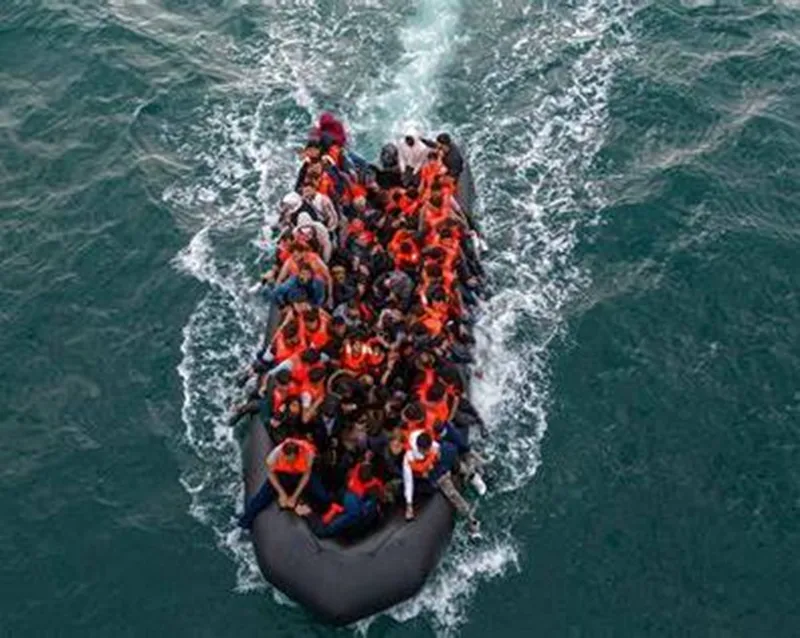
Immigration: When the Border Becomes an Ideology
Sometimes a single word is enough to reveal that a debate has changed in nature. On October 6, Elon Musk was not talking about migration quotas, visas, asylum law, external borders or labour shortages. Responding on X to a post by Tommy Robinson concerning France, he used a different vocabulary: that of an “invasion”. Those who supported it were then described in his message as “traitors”.
-
 Society
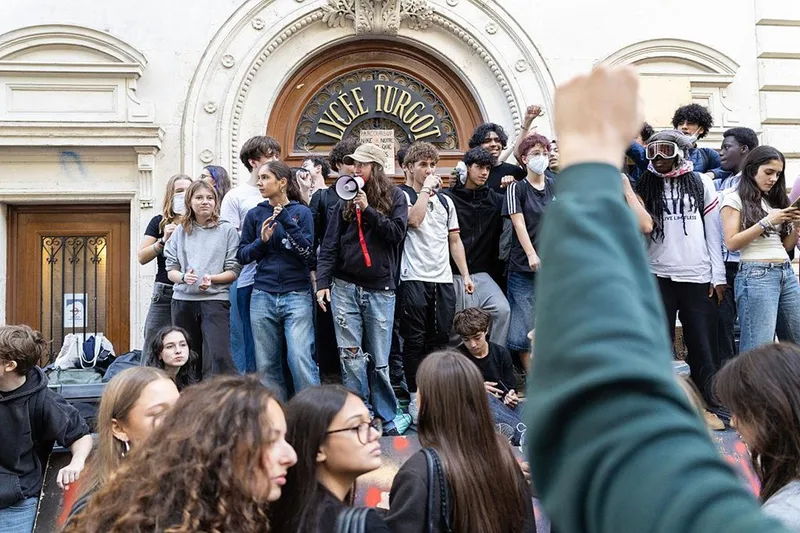
France: A Generation Takes to the Streets
Outside the gates of French high schools, the protest began with ordinary things. A missing teacher. An overcrowded classroom. A school nurse who is difficult to find. An ageing building. Lost teaching hours. Then came concerns about Parcoursup, access to higher education and, behind them, a much larger question: what place is actually waiting for this generation in the France to come?
-
 Defense & Security
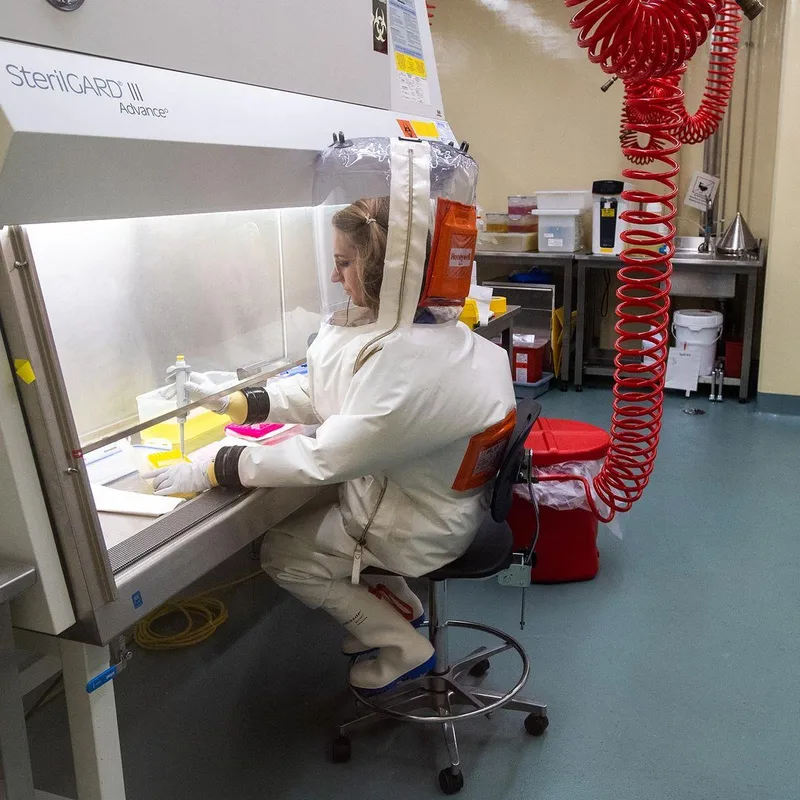
Russia: What the Plague Reveals About the World’s Laboratories
In Irkutsk, Siberia, the death of a 28-year-old employee at an institute specializing in infectious diseases was enough to bring back a word that seemed to belong to history books: plague.
-
 Reports and Studies
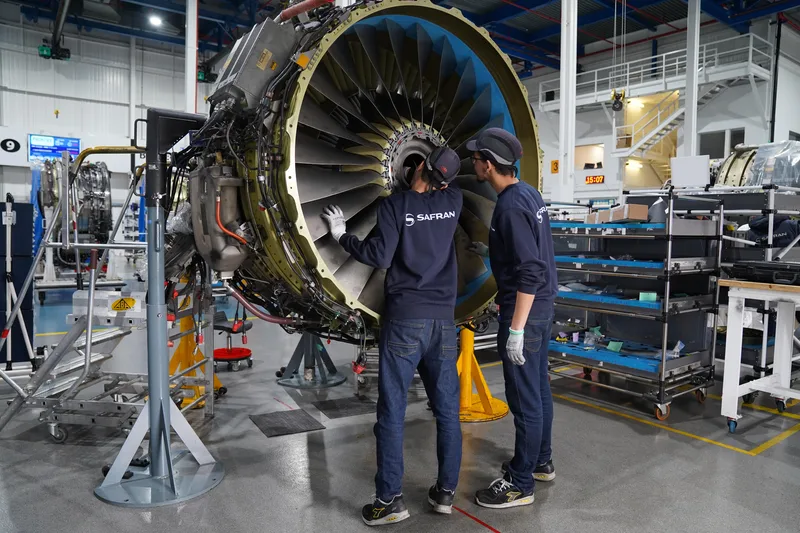
Industry: The Nations’ Income Statement
A car leaves a Moroccan factory, reaches a port terminal and boards a ship bound for Europe. At customs, its value enters the export statistics. For the manufacturer, it becomes part of the group’s revenue. For the country that built it, the calculation is only beginning.
-
 Europe
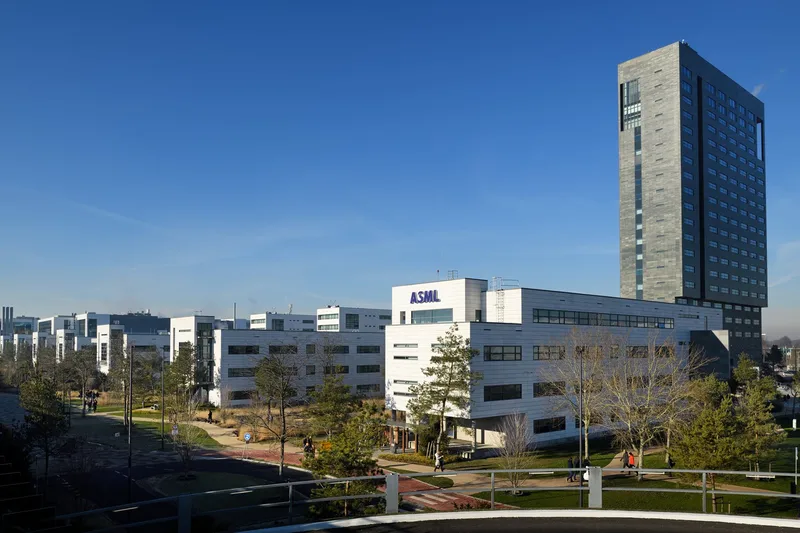
The Netherlands: A Small Country in the Great Flows
In Rotterdam, Europe meets the world before it even knows what it will do with it. Oil arrives by sea, containers continue toward Germany, ores feed the continent’s industries, and chemicals change form before resuming their journey.