

Publications
385 published articles
-
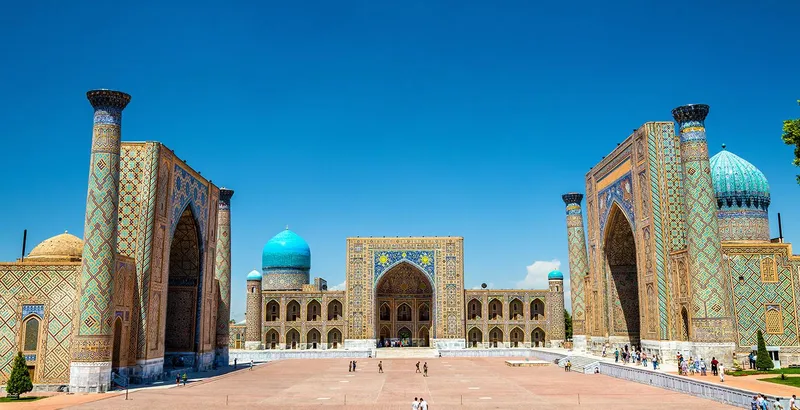 Central Asia
Uzbekistan: The Quiet Power Seeking to Reconnect Central Asia
At the heart of a region long shaped by Russian and Soviet imperial power, Uzbekistan is attempting to build an autonomous economic and diplomatic position.
-
 Technology
Artificial Intelligence: Does Sovereignty Begin with Models or Institutions?
As the world's leading powers invest hundreds of billions of dollars in artificial intelligence infrastructure, middle-income economies face a different challenge: how can they turn technology largely developed elsewhere into a source of national economic capability?
-
 Economics
Global Growth Is Narrowing: AI Creates New Winners as Energy Widens the Divide
The global economy is expected to grow by 3.1% in 2026, according to the International Monetary Fund. But behind this apparent resilience lies a deeper transformation: a shrinking number of economies account for most global growth, while technological investment and energy shocks redistribute economic advantages.
-
 Markets
Fintech: Who Controls Money, from Financial Markets to the Corner Shop?
At one end of the financial system, an asset manager must deliver securities against several million dollars, provide collateral and ensure that funds arrive at the right moment.
-
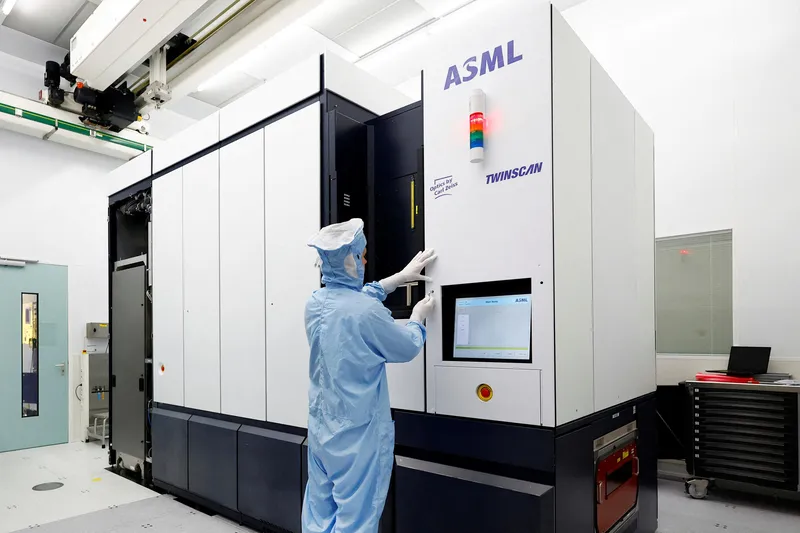 Trade & Industry
AI: The Machines of the Next Decade Are Being Ordered Today
ASML has warned that its planned manufacturing capacity will not be sufficient to meet customer demand in 2027 and 2028.
-
 Arctic & Polar Regions
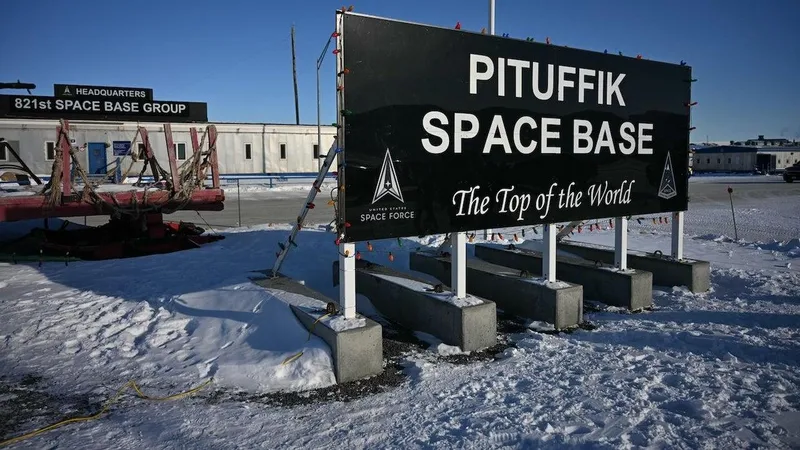
Greenland: The Resources Washington Covets, the Sovereignty It Does Not Control
The American push to develop Greenland's natural resources exposes a fundamental contradiction: Washington increasingly regards the island as a major strategic asset, yet it possesses neither sovereignty over its territory nor the authority to determine how its resources are exploited.
-
 Corporate
BP: The Return of Profitable Refining Disrupts the Energy Transition Equation
As its refining margins have nearly tripled in a year, BP has announced up to $4.5 billion in new impairments across its gas and low-carbon energy businesses.
-
 Defense & Security
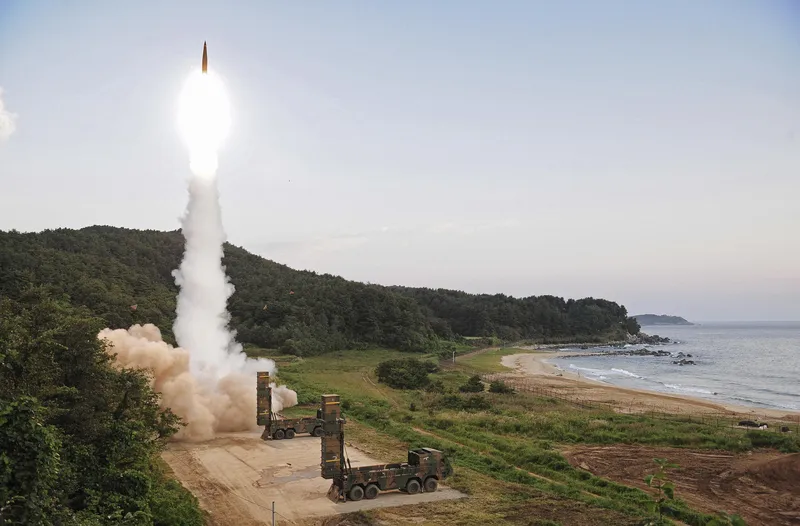
Korea: Deterrence Enters the Hypersonic Age
Missile tests are multiplying on both sides of the Korean border. Behind the competition for hypersonic speeds lies a deeper transformation.
-
 Eurasia
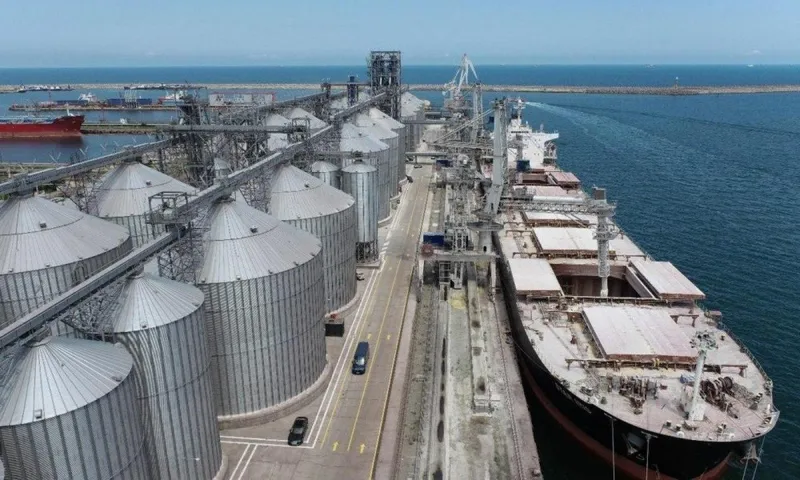
Black Sea: Eurasia’s Internal Frontier
Ukraine, Russia, Turkey, the Caucasus and Eastern Europe: beyond military confrontation, the Black Sea has become the center of a competition over energy, agricultural, industrial and digital flows.
-
 Geopolitics
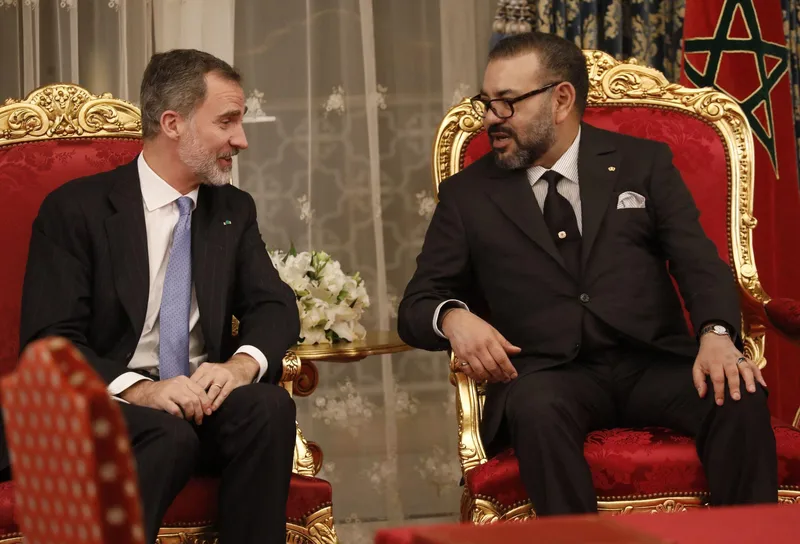
Morocco–Spain: What Each Can Gain, What Neither Will Concede
In Ceuta, Felipe VI reaffirmed the territorial boundaries of Spain’s partnership with Rabat.
-
 Defense & Security
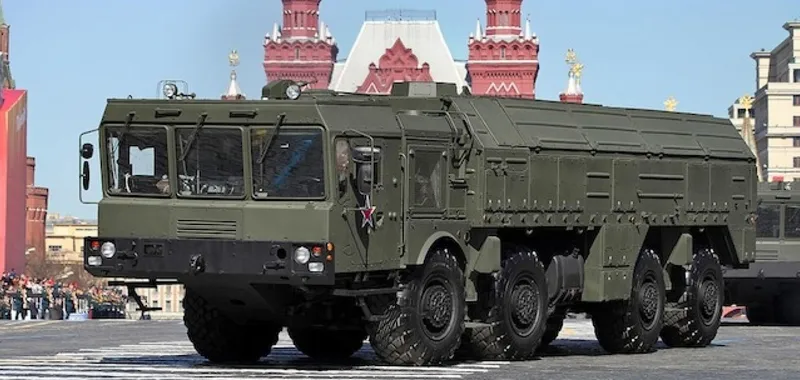
Russia: Europe Sanctions the Industrial Supply Chain of War
On October 12, 2026, the European Union adopted one of the largest rounds of individual sanctions in its history against Russia.
-
 Energy
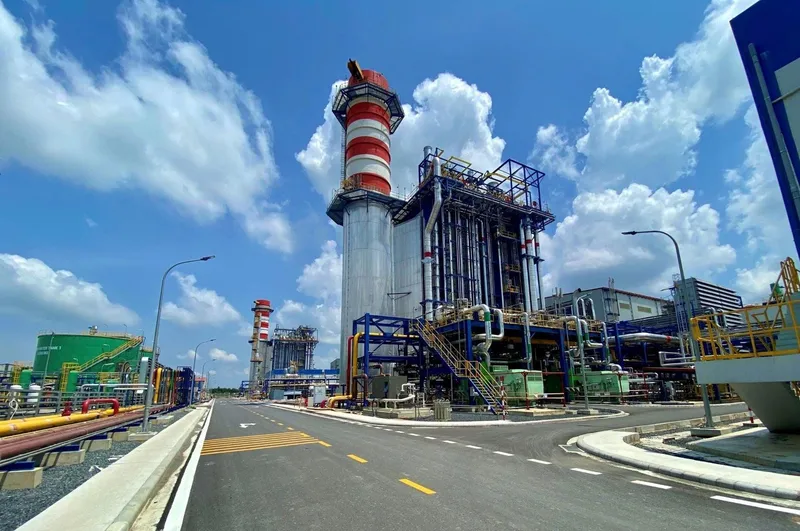
Asia: Natural Gas Is Losing Its Status as a Transition Fuel
Long presented as the essential fuel for moving away from coal, liquefied natural gas is facing an increasingly uncertain future in Southeast Asia's electricity sector.