

Publications
385 published articles
-
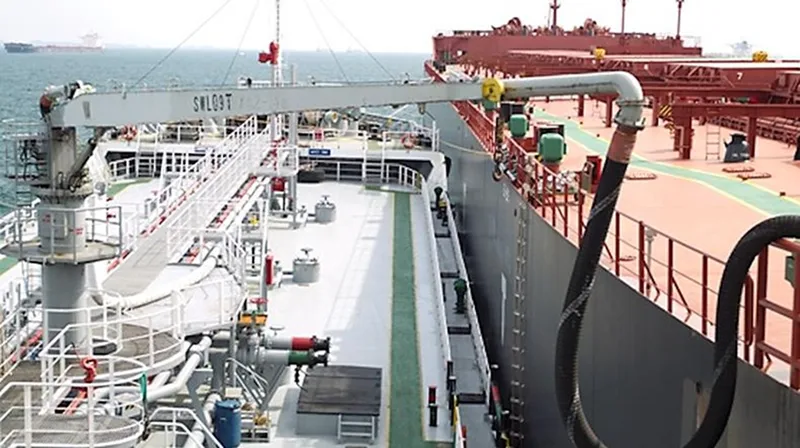 Energy
Oil: The Crisis Shifts to Marine Fuels
Disruptions to fuel oil exports from the Middle East and Russia are creating new pressures on marine fuel markets.
-
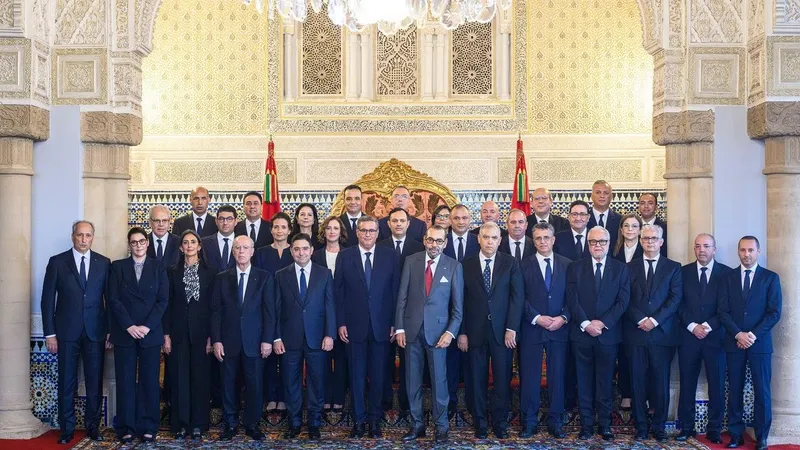 Politics
Morocco: A New Government Faces the Test of Transformation
In Rabat, the formation of a new government is never simply a redistribution of ministerial portfolios.
-
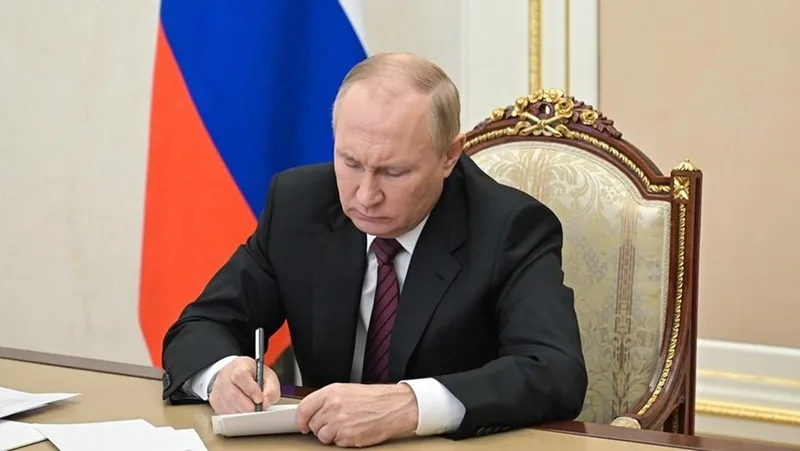 Geopolitics
Russia–Europe: Property Rights in an Age of Confrontation
By placing additional European industrial assets under Russian administration, Moscow is accelerating a profound transformation of its economic relationship with the West.
-
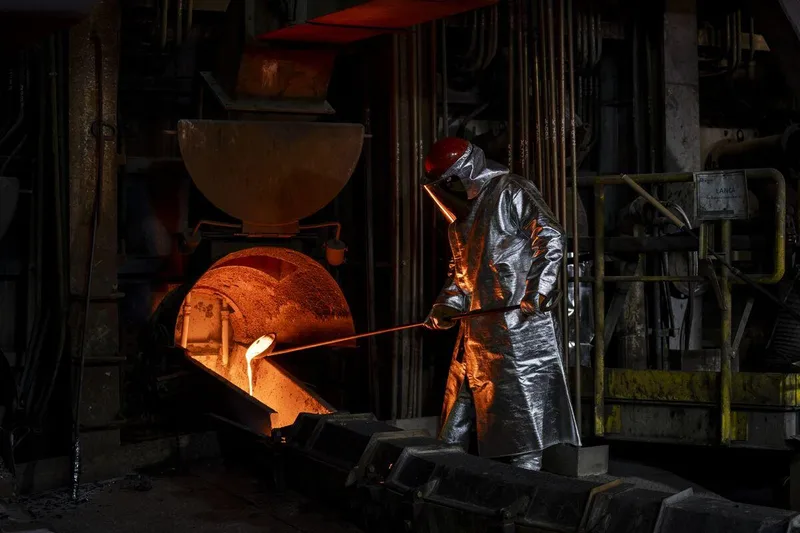 Economics
World Bank: Critical Minerals and the Challenge of Industrialization
In Bangkok, where the annual meetings of the International Monetary Fund and the World Bank are taking place, a new financial ambition has emerged.
-
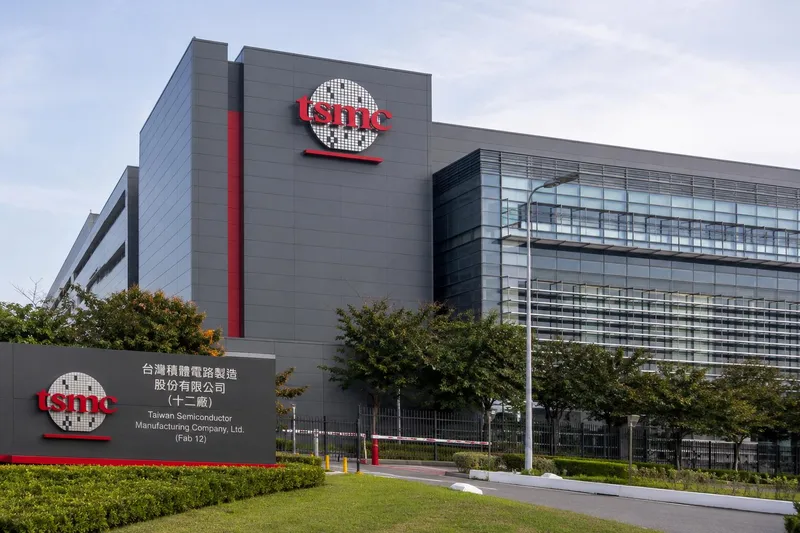 Technology
TSMC: Record Profits, but AI’s Future Remains Uncertain
In Taiwan, semiconductor factories are operating at the pace of an industrial transformation whose ultimate limits remain unknown.
-
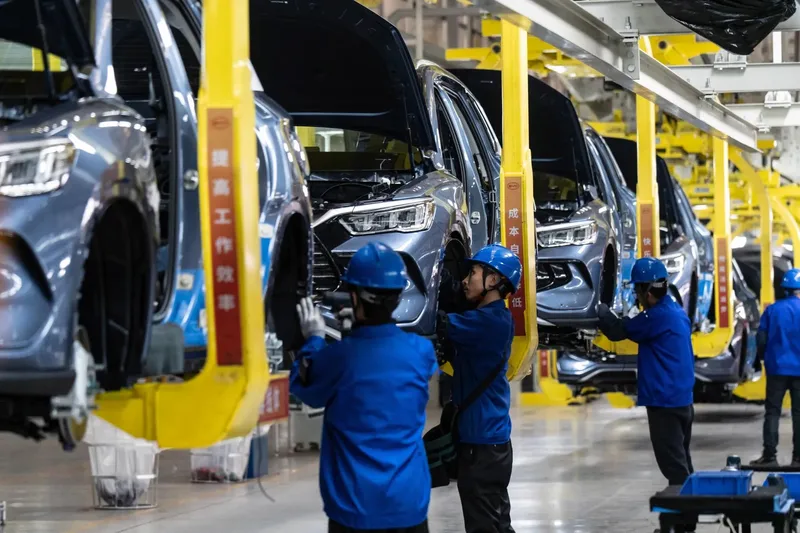 Trade & Industry
Europe: The China Trade Deficit Becomes a Question of Industrial Survival
For several decades, Europe regarded China as an economic partner whose rise contributed to its own prosperity. European companies found an immense market, a competitive manufacturing base and suppliers capable of reducing costs across their industrial supply chains.
-
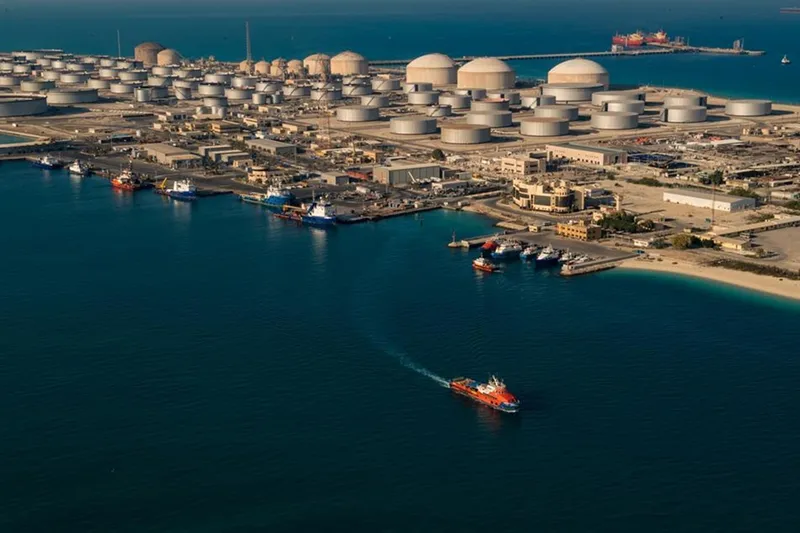 Middle East
Middle East: High Oil Prices Can No Longer Shield Economies from War
For decades, rising oil prices provided one of the most reliable forms of economic protection for the Middle East's major producers. When energy markets tightened, export revenues increased, government budgets gained additional flexibility, and sovereign wealth funds accumulated greater financial resources.
-
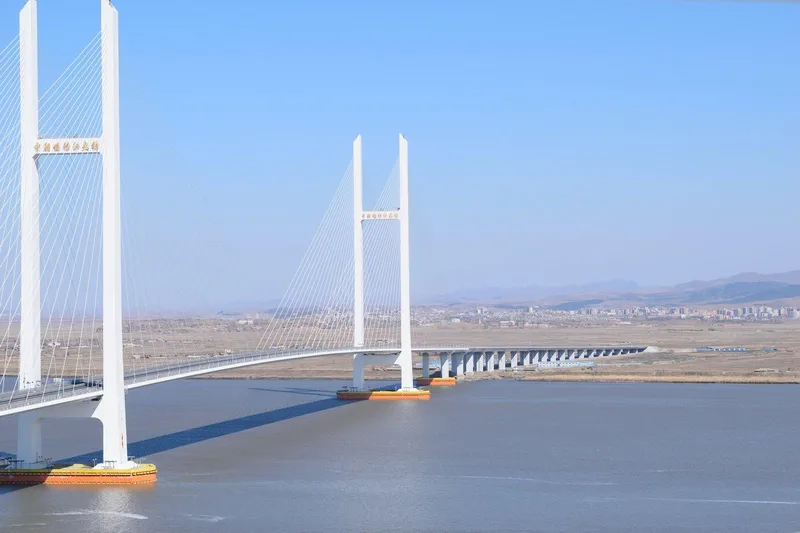 Asia-Pacific
China–North Korea: Twelve Years of Waiting for a New Trade Corridor
In Dandong, on the banks of the Yalu River, a bridge stretching more than three kilometres had waited twelve years to fulfil its purpose. Built to connect China and North Korea and completed in 2014, it had become a symbol of a border where infrastructure could advance faster than political decisions.
-
 Trade & Industry
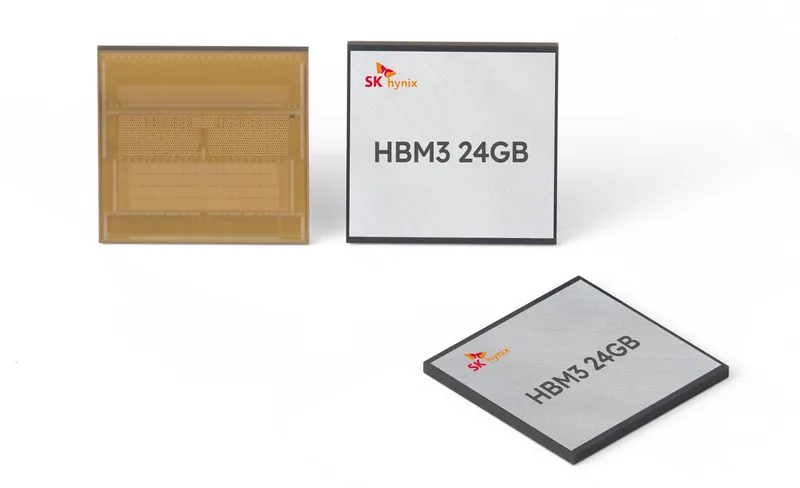
AI Is Driving Global Trade: Who Makes the Equipment, and Who Captures the Value?
As geopolitical tensions disrupt energy routes and major powers seek to secure their strategic industries, global trade is experiencing an unexpected acceleration.
-
 Markets
Debt, AI and Shadow Banking: Who Will Absorb the Next Bond Market Shock?
Governments are borrowing heavily, artificial intelligence is mobilizing enormous amounts of capital, and hedge funds are playing an increasingly important role in sovereign debt markets.
-
 Economics
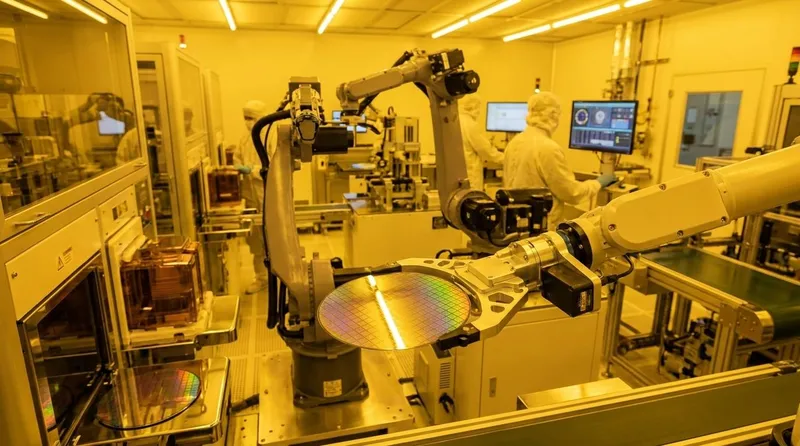
Does the Geoeconomics of Great Powers Still Leave Room for Development?
Global trade continues to expand, but opportunities for industrialization are becoming increasingly concentrated. Between technological rivalries, economic security policies and the fragmentation of investment, emerging economies must find their place in a system where access to markets no longer guarantees access to wealth.
-
 Energy
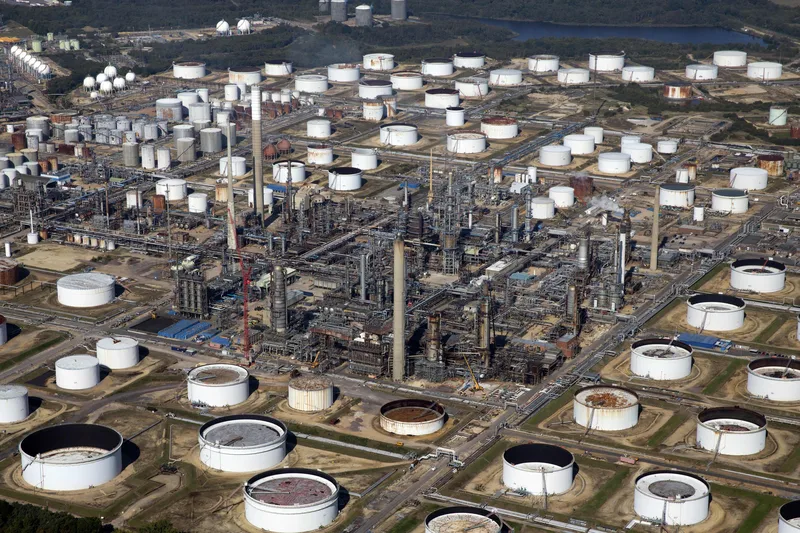
Diesel: The Real Breaking Point of the Global Economy
The oil crisis of 2026 has exposed a vulnerability deeper than the availability of crude: the global economy's ability to produce, transport and distribute the fuels on which its industries depend.